
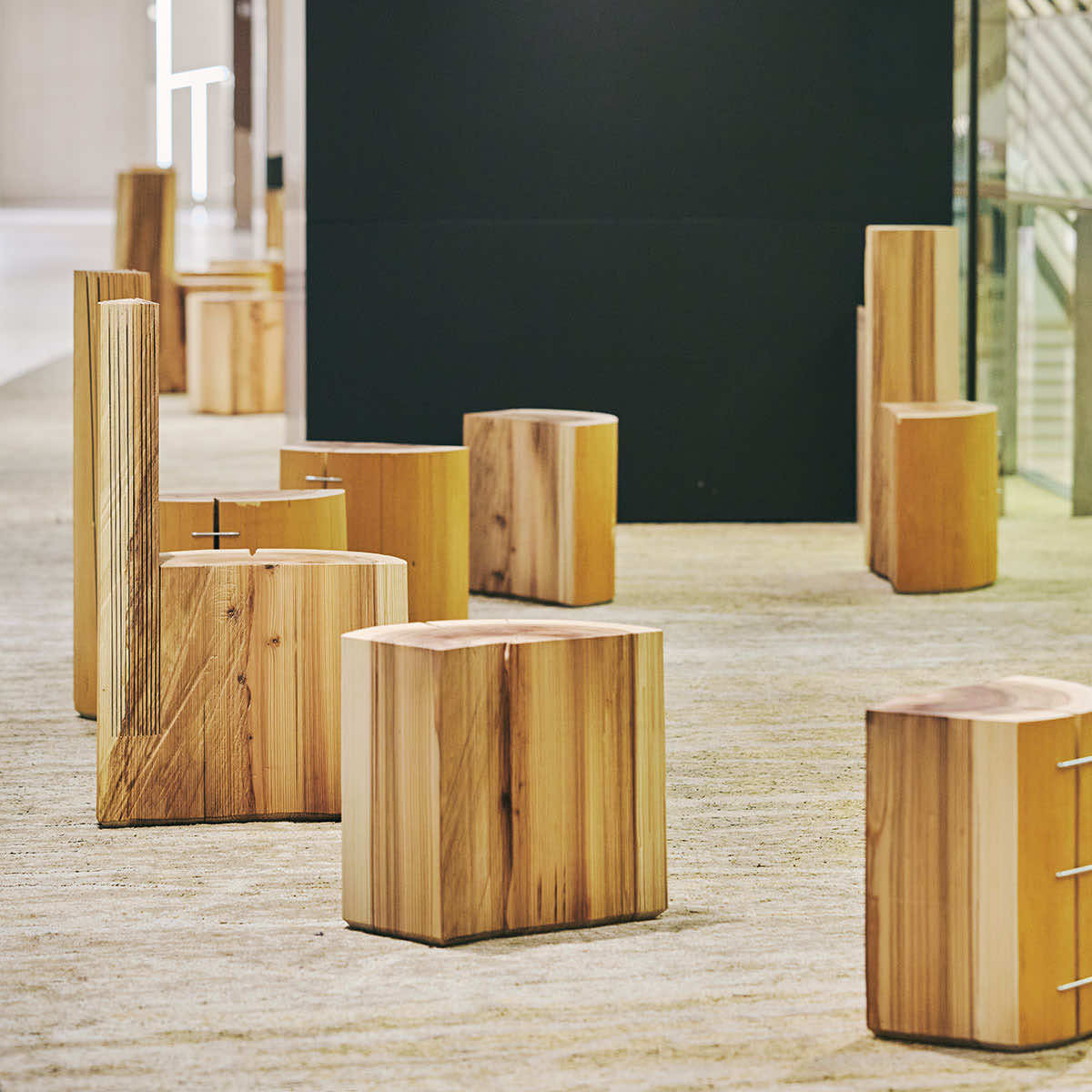
Launched in the spring of 2025, the three-year art project A Tree, a collaboration between GINZA SIX and the architectural firm DAIKEI MILLS, has entered Phase 2. Since fall 2025, the project has been progressively presenting works by six groups of artists active both domestically and internationally. Works by two groups are introduced in each of the project’s three stages—fall 2025, winter 2026, and spring 2026—offering visitors new discoveries.
A Tree begins with cedar sourced from the mountains of Yoshino. This is an ambitious project that goes beyond the framework of conventional exhibitions, and retraces the evolution from raw logs into furniture and small-scale architecture. In Phase 1, the project focused on identifying the intrinsic value at the heart of monozukuri. Chairs made from solid Yoshino cedar adorned the interior, and an art park featuring a fantastical lighting installation emerged on the rooftop. In Phase 2, the six groups of artists visit the forests of Yoshino and forestry sites, then design works based on inspiration gained from their on-site experience.
A Tree:Phase 2
- Designers
- Siin Siin / KUO DUO / Rio Kobayashi / Fabien Cappello / Max Lamb / Faye Toogood
- Production
- E&Y / HOUEI Forestry / Ohtani Mokuzai
- Exhibition Venue
- Rest areas around the central atrium on the 3rd to 5th floors
- Exhibition Period
- From Friday, October 31, 2025
Index
01
Designer - Siin Siin
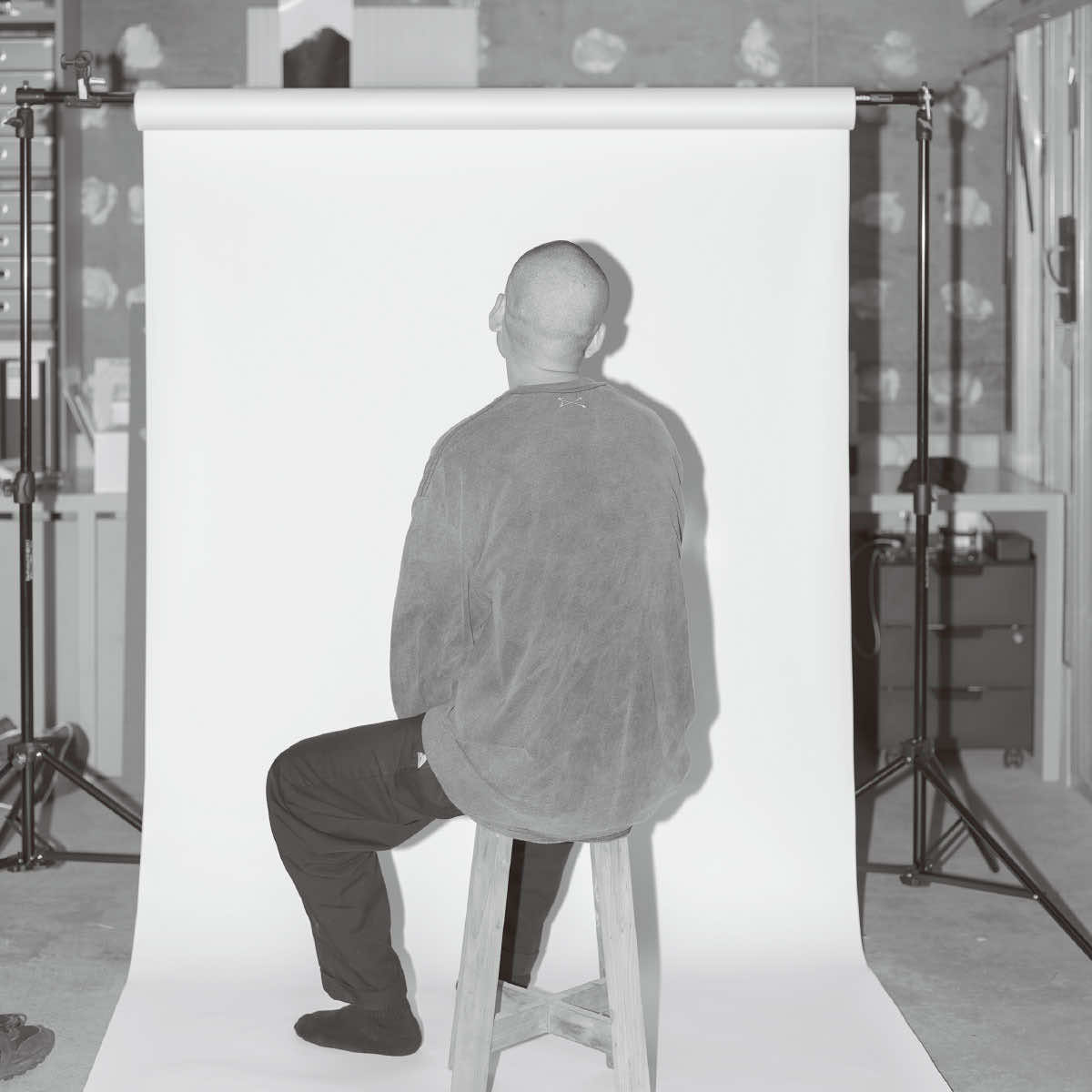
Siin Siin is a Tokyo-based designer whose practice unfolds through careful observation and a willingness to dwell within process. Rather than rushing towards conclusions, he approaches materials and situations with an openness to not knowing, allowing forms to emerge from the fragments and disturbances encountered along the way. His work privileges the moments of uncertainty, the deviations that appear in the midst of making, treating them not as flaws to be corrected but as cues for shaping.
From this stance arise the traces that persist in his work. Marks of cutting or welding, the tremor of a hand, or even the errors of machines — typically concealed within manufacturing — are here retained and brought to the surface. In doing so, Siin Siin draws attention to the layered relations between people, tools, and matter, and to the memories of time and action inscribed in material.
The resulting works are at once accumulations of process and traces, and compositions that gather these fragments into a resonant presence. They carry a density that inhabits space as if breathing within it. Siin Siin’s practice resists fixed categories, reweaving the overlooked minutiae of everyday life into new forms.
Collection -
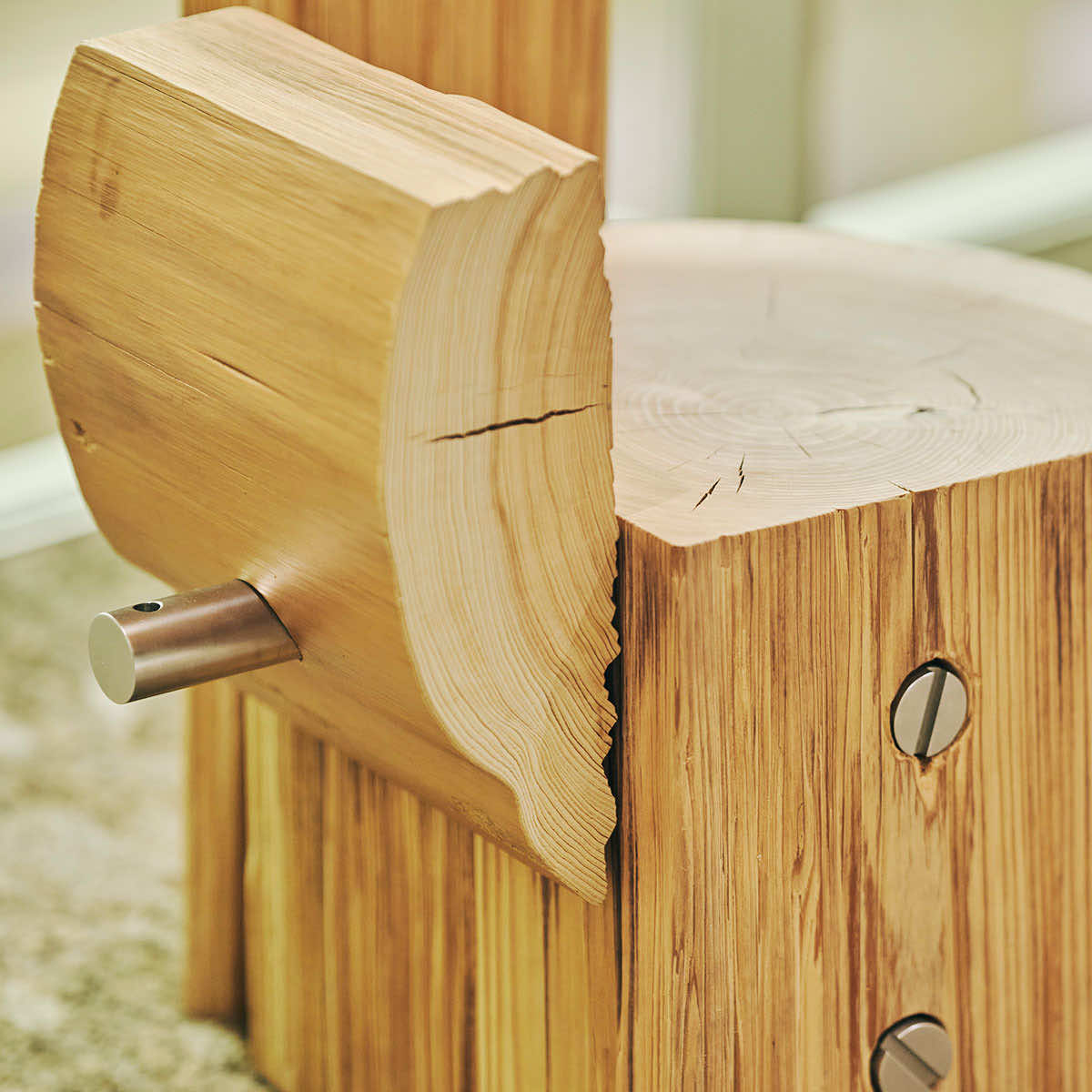
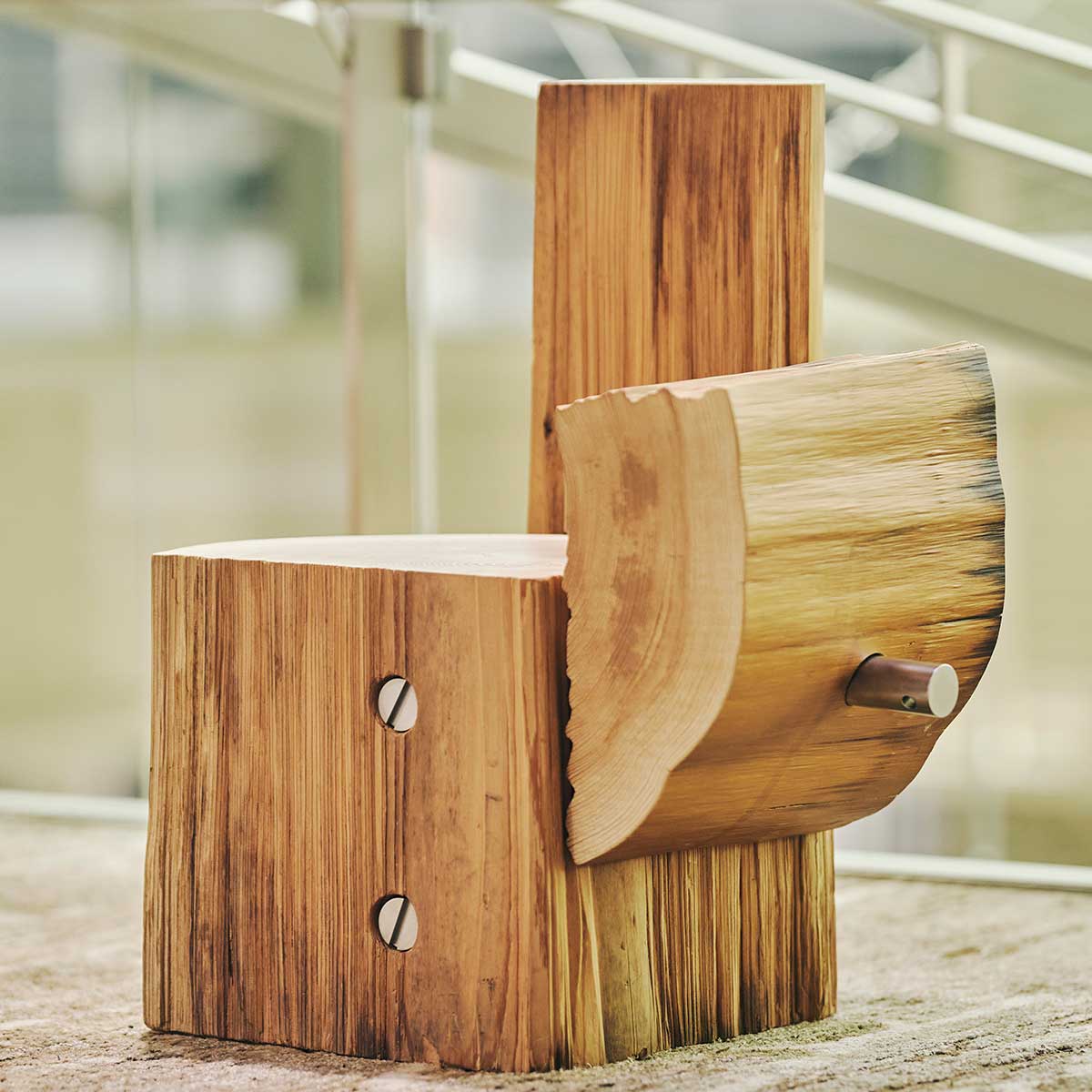
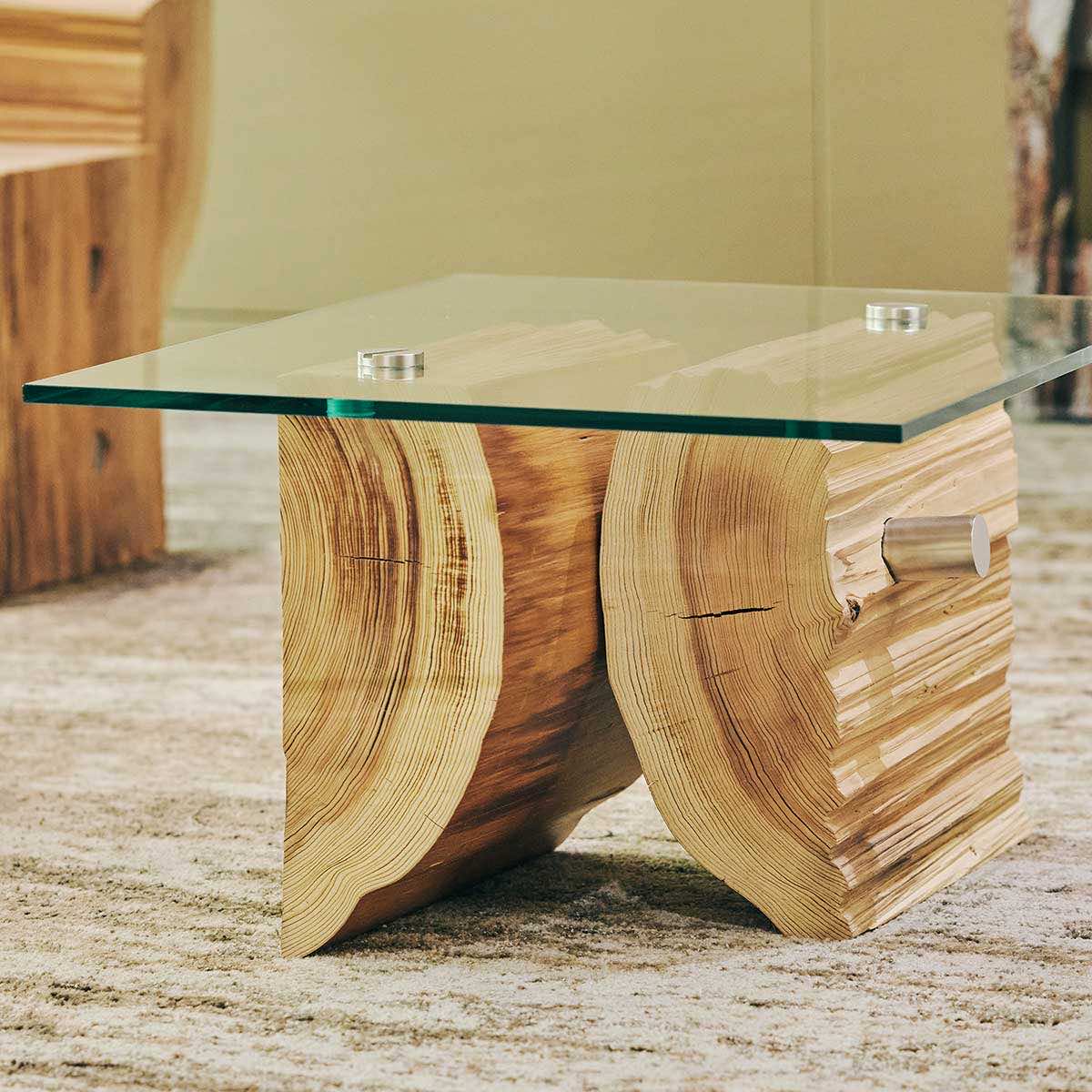
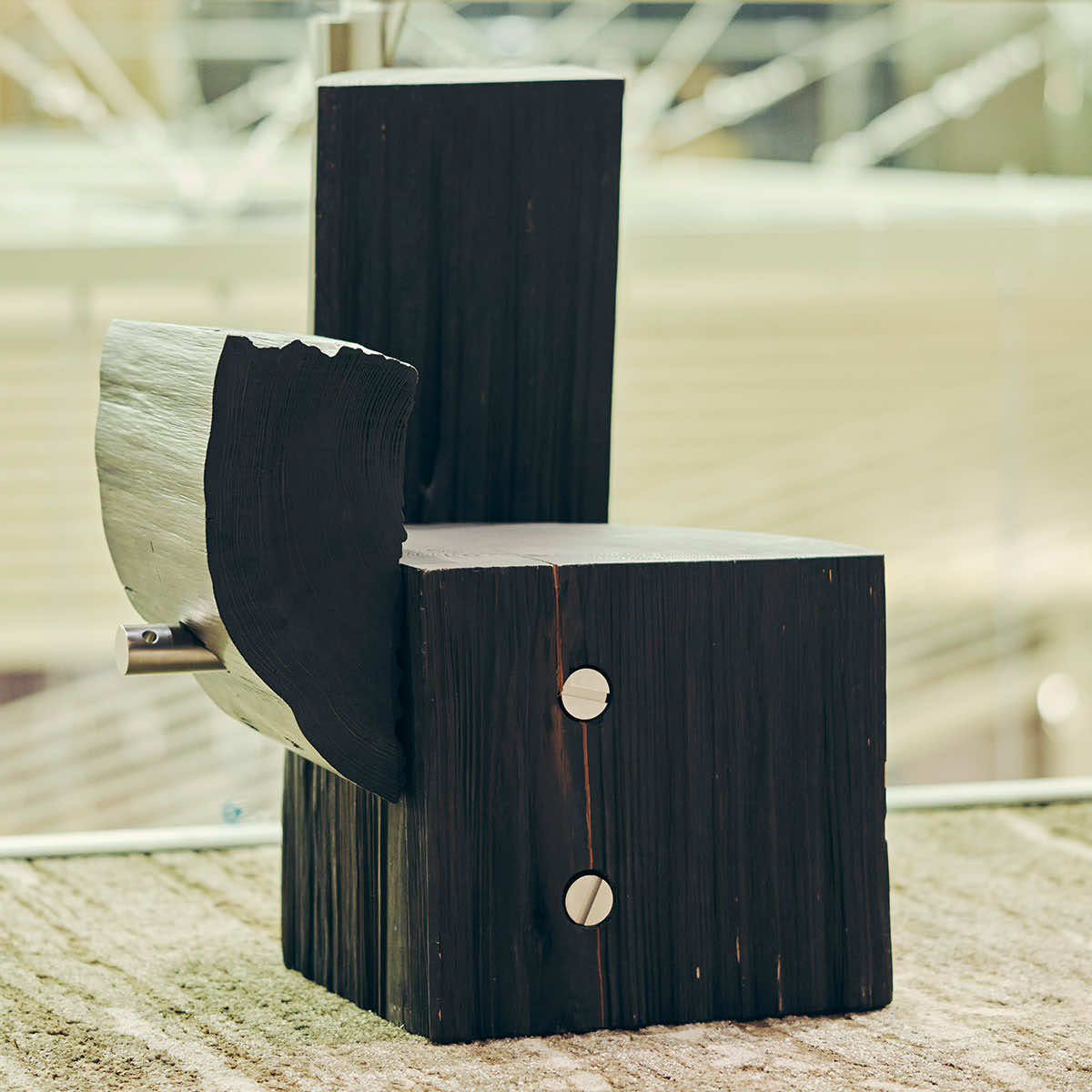
Tou Tou
Designed by Siin Siin
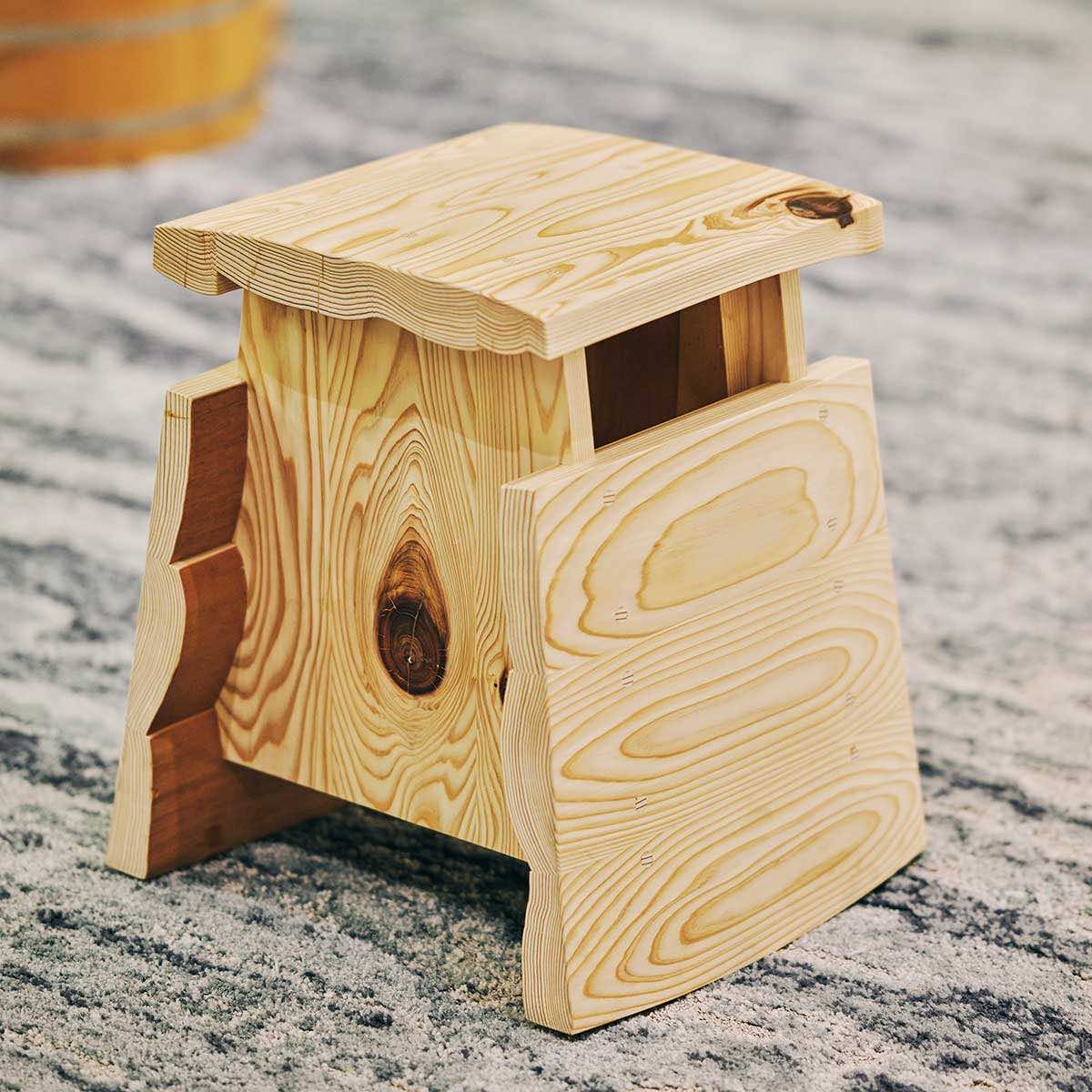
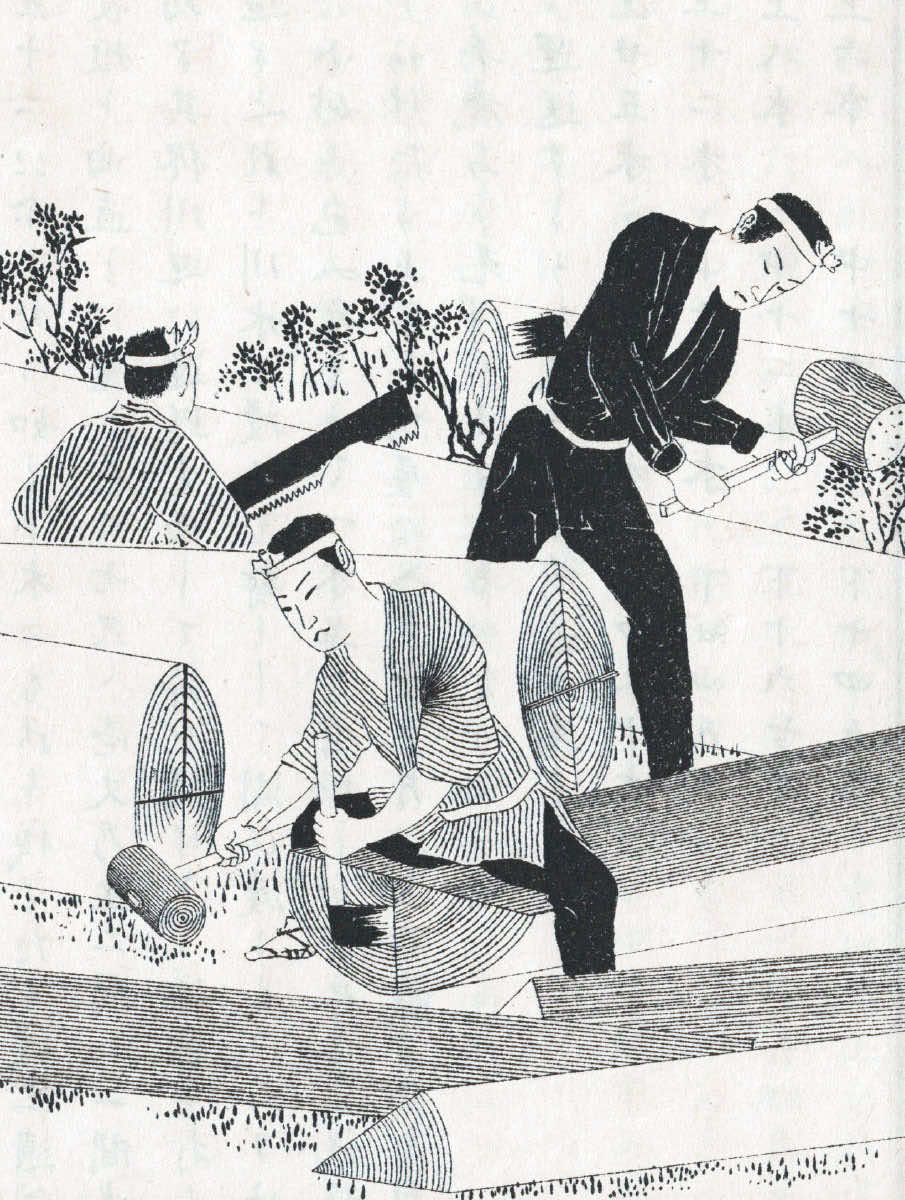
The Yoshino cedar used in this work is estimated to be 120 to 130 years old, likely planted during the same era as the forestry practices recorded in The Complete Works of Yoshino Forestry (1898) and An Outline of Yoshino Forestry (1914). As I read through these texts, I felt less like tracing the past and more like sensing the breath of the tree before me. Immersed in a layered sense of time where history and material converge, I approached the cedar as a vessel of evolving knowledge and practice, and undertook this work with respect for those who continue to engage with forestry today.
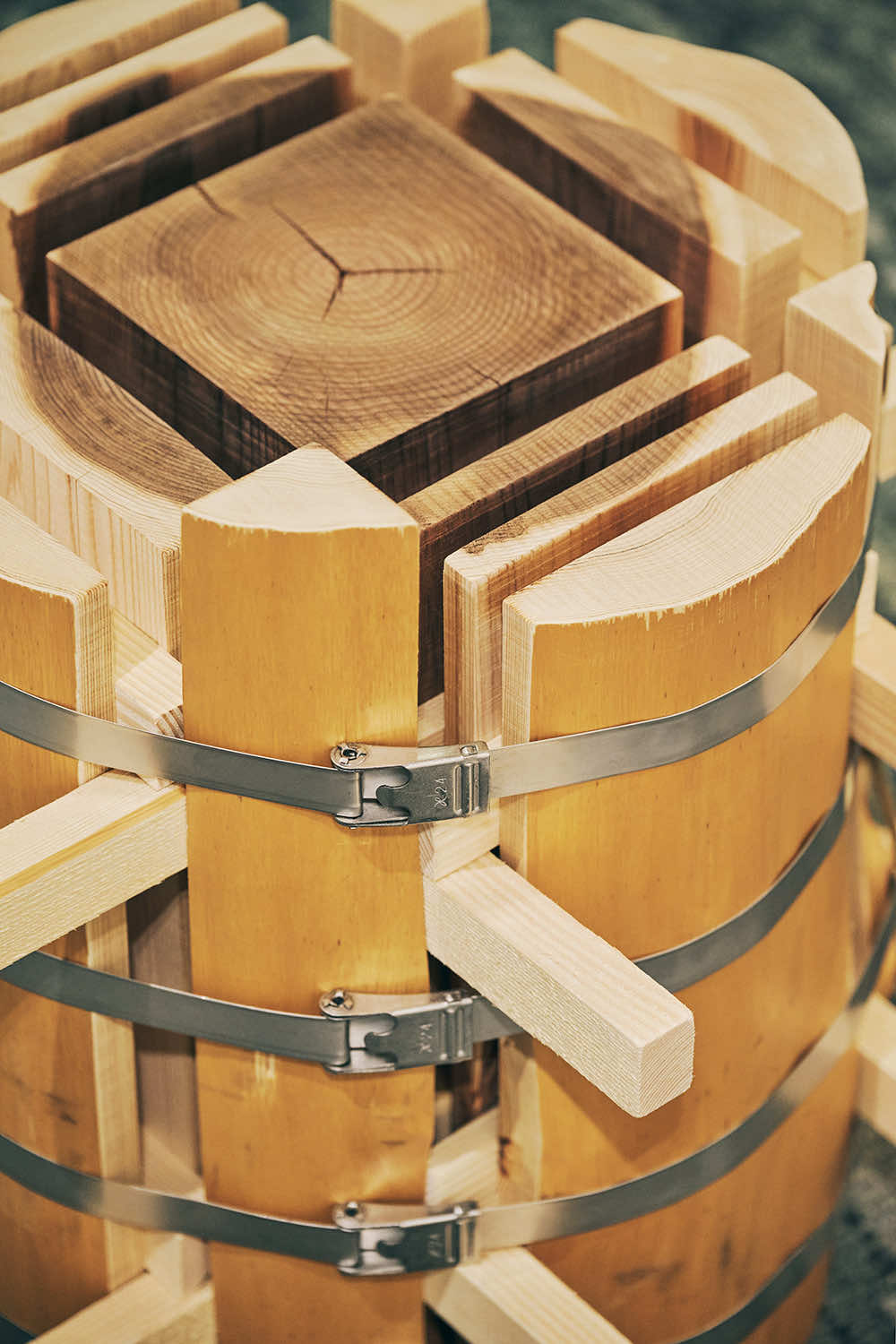
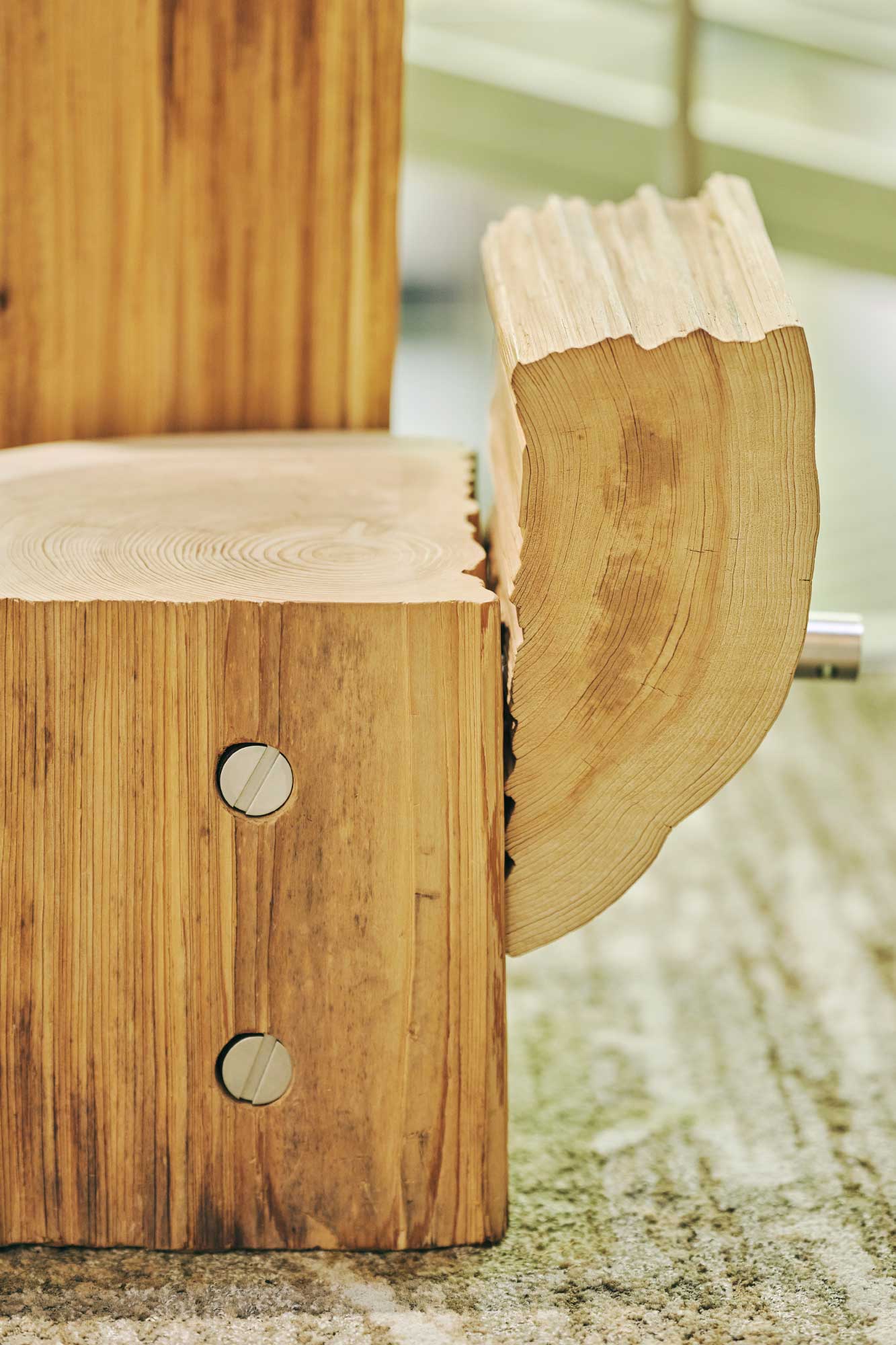
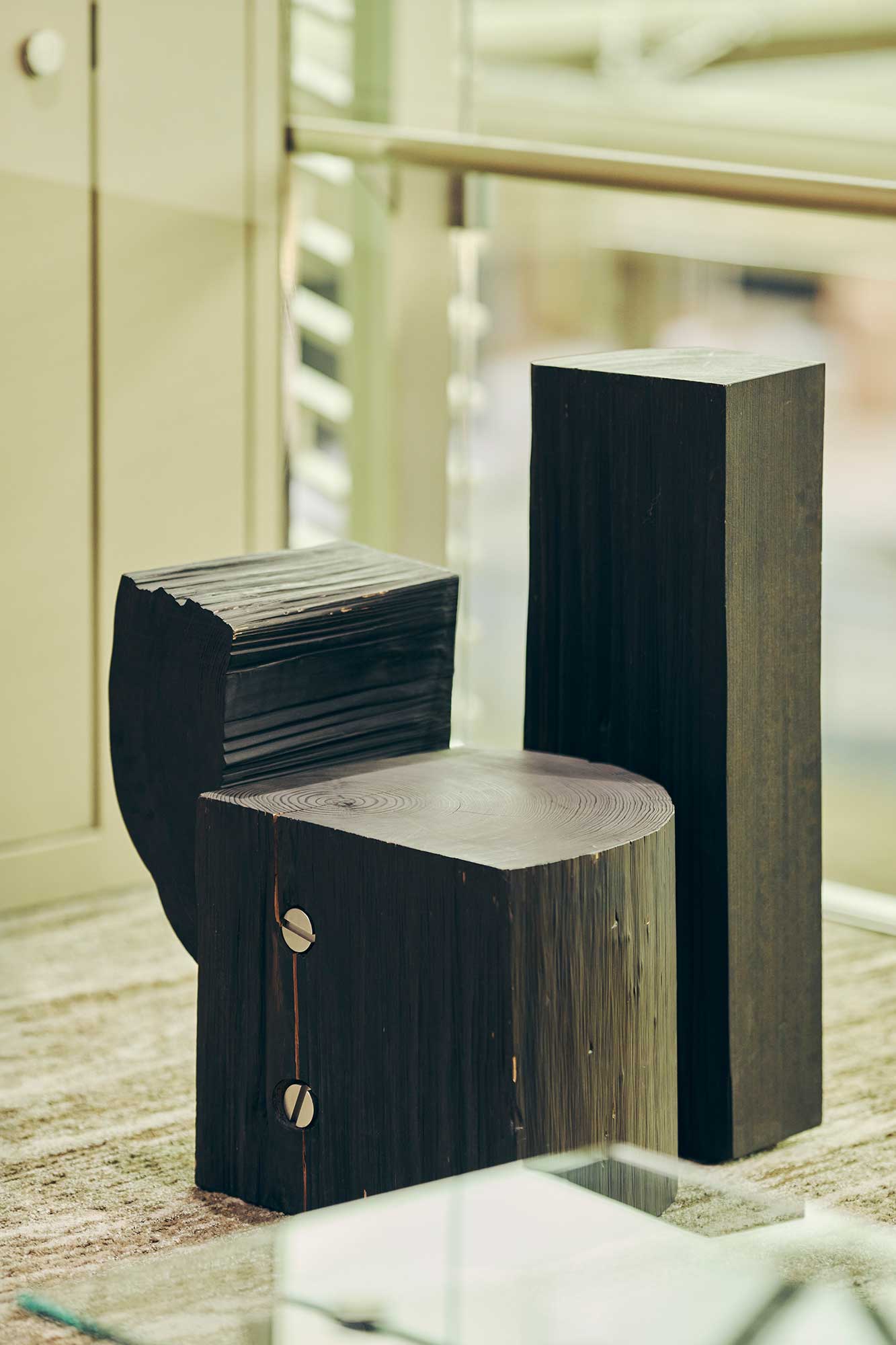
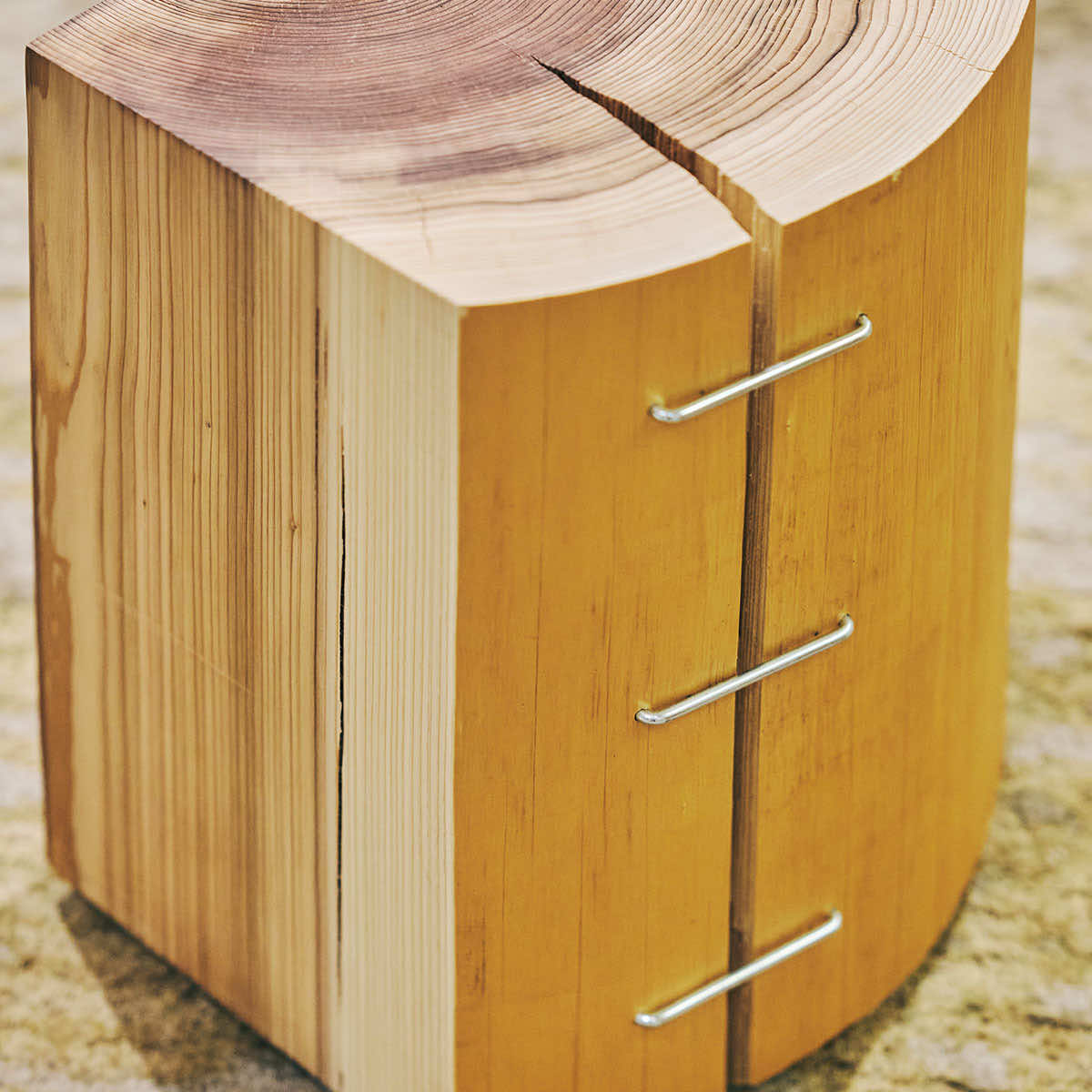
During our stay in Yoshino, we conducted field research through on-site encounters and learning: conversations with forestry workers, study of tools and records from the Meiji era to the present, and witnessing tree felling and sawmilling. For the processing phase, we referred to kenwari, a traditional technique used mainly in producing barrel wood. This method involves splitting logs from the end with an axe along the grain, limiting the direction and shape but revealing a surface that appears to split of its own accord. These two qualities — constraint and revelation — resonate with the honest grain of Yoshino cedar and shaped a form rooted in the relationship between material and technique.
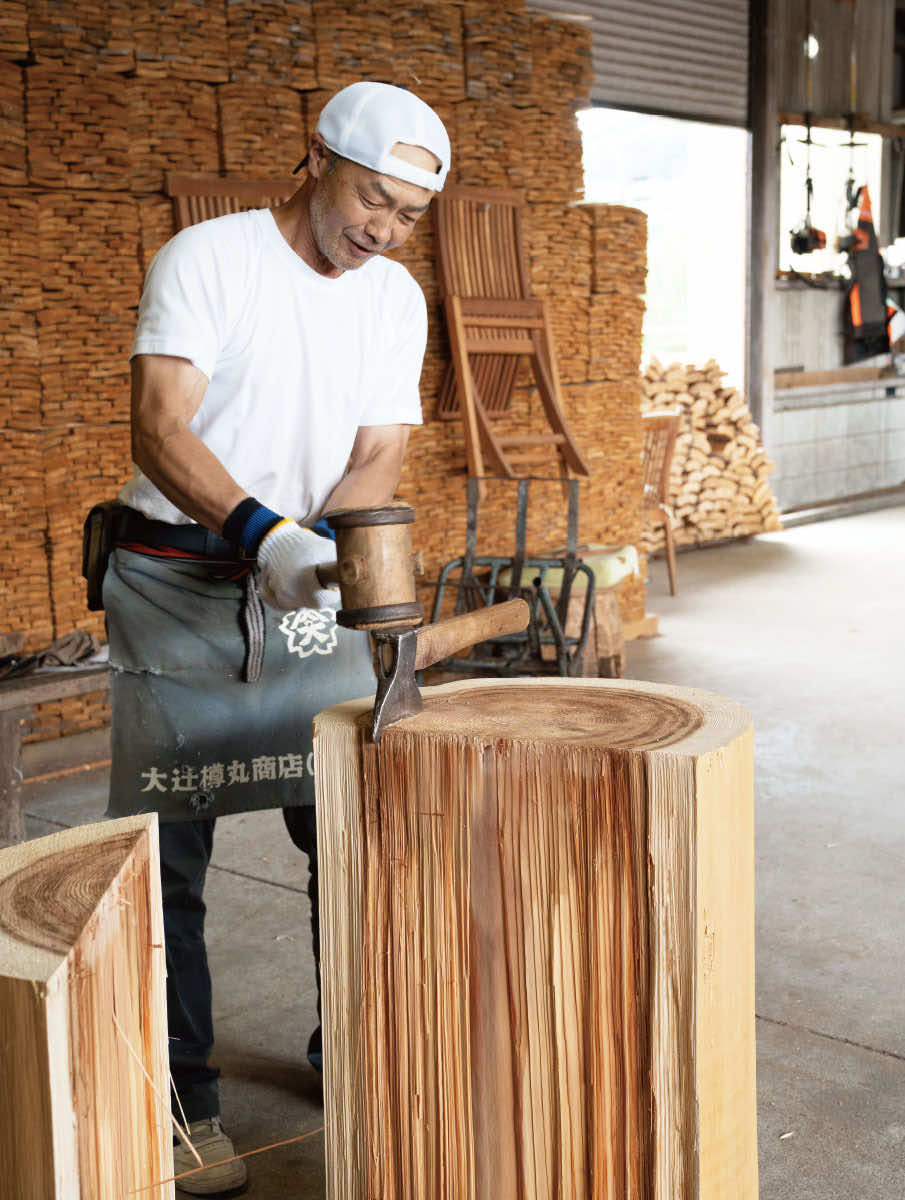
In parallel, we produced stainless steel joint components inspired by contemporary forestry machinery, including harvesters, processors, and grapples, with a focus on the cylindrical forms seen in hydraulic dampers. The cedar segments split by kenwari are connected via these joints, integrating the tactile trace of traditional splitting with the mechanical precision of modern processing.
The cedar used in this work had a major split at its base from the time of felling. Yet it was precisely this fissure — a trace of some unforeseen force — that drew me in. It revealed a different kind of value beyond market logic and prompted me to engage with the long span of time through which this tree had grown.
02
Designer - KUO DUO
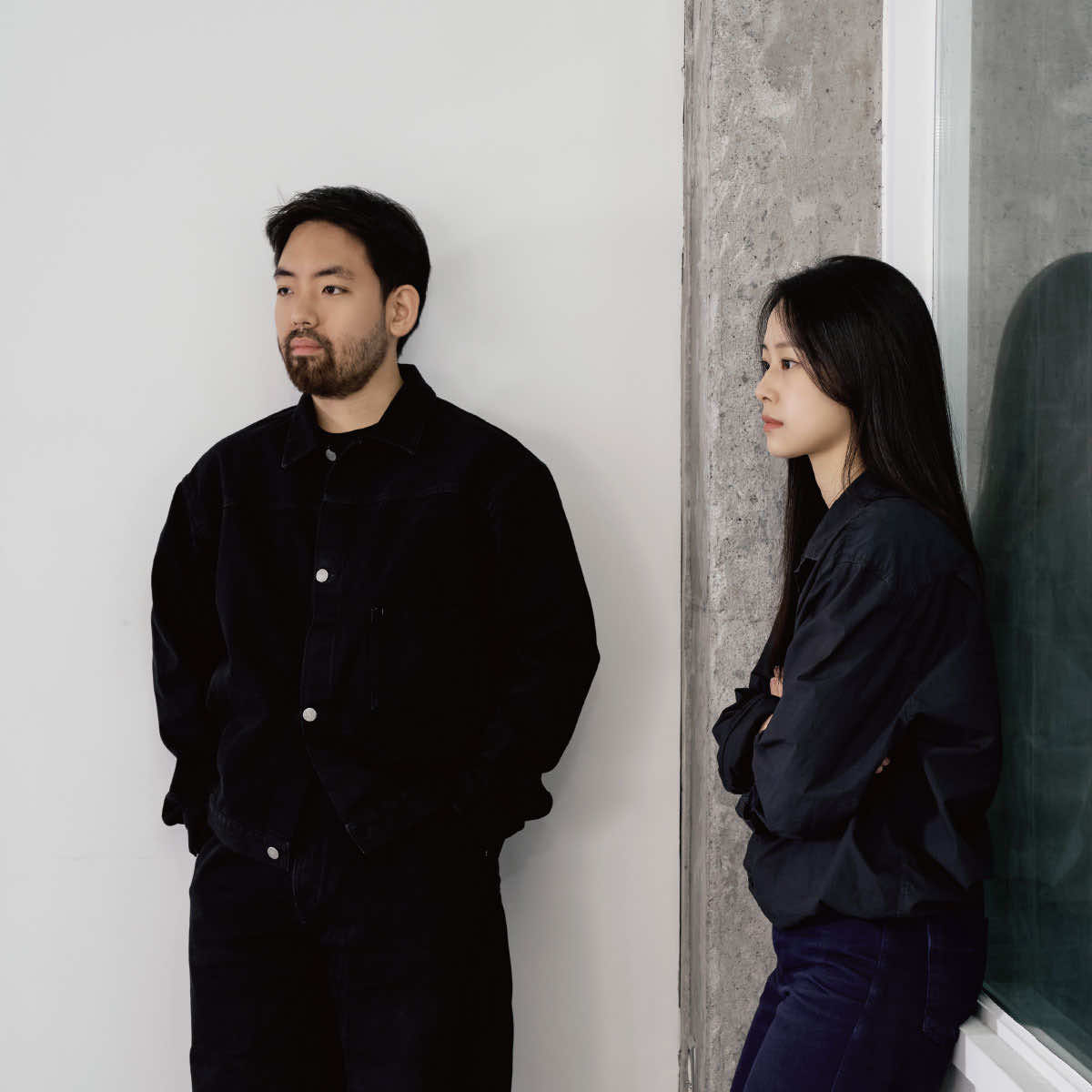
KUO DUO is a Seoul-based industrial design studio working across product, furniture, and spatial design, as well as creative direction.
Designers Hwachan Lee and Yoomin Maeng studied Industrial Design at Hongik University in Seoul. After gaining experience at international design studios such as Cecilie Manz Studio, Form Us With Love, Shigeki Fujishiro Design, and SWNA, they founded their own studio, bringing together a global perspective and refined sensibility.
KUO DUO explores the boundaries of design, ranging from mass-produced products to limited-edition pieces, exhibitions, and spatial installations. Their work seeks to balance innovative approaches to materials and production techniques with the functionality and simplicity of the final product. Through hands-on experimentation and careful craftsmanship, they delve deeply into the structural possibilities of materials, creating designs that endure over time.
Collaborating with a wide range of brands and clients, KUO DUO has presented diverse outcomes across the field of three-dimensional design. In 2025, they were awarded the Rising Talent Award at Maison&Objet Paris, earning international recognition for their creativity.
Collection -
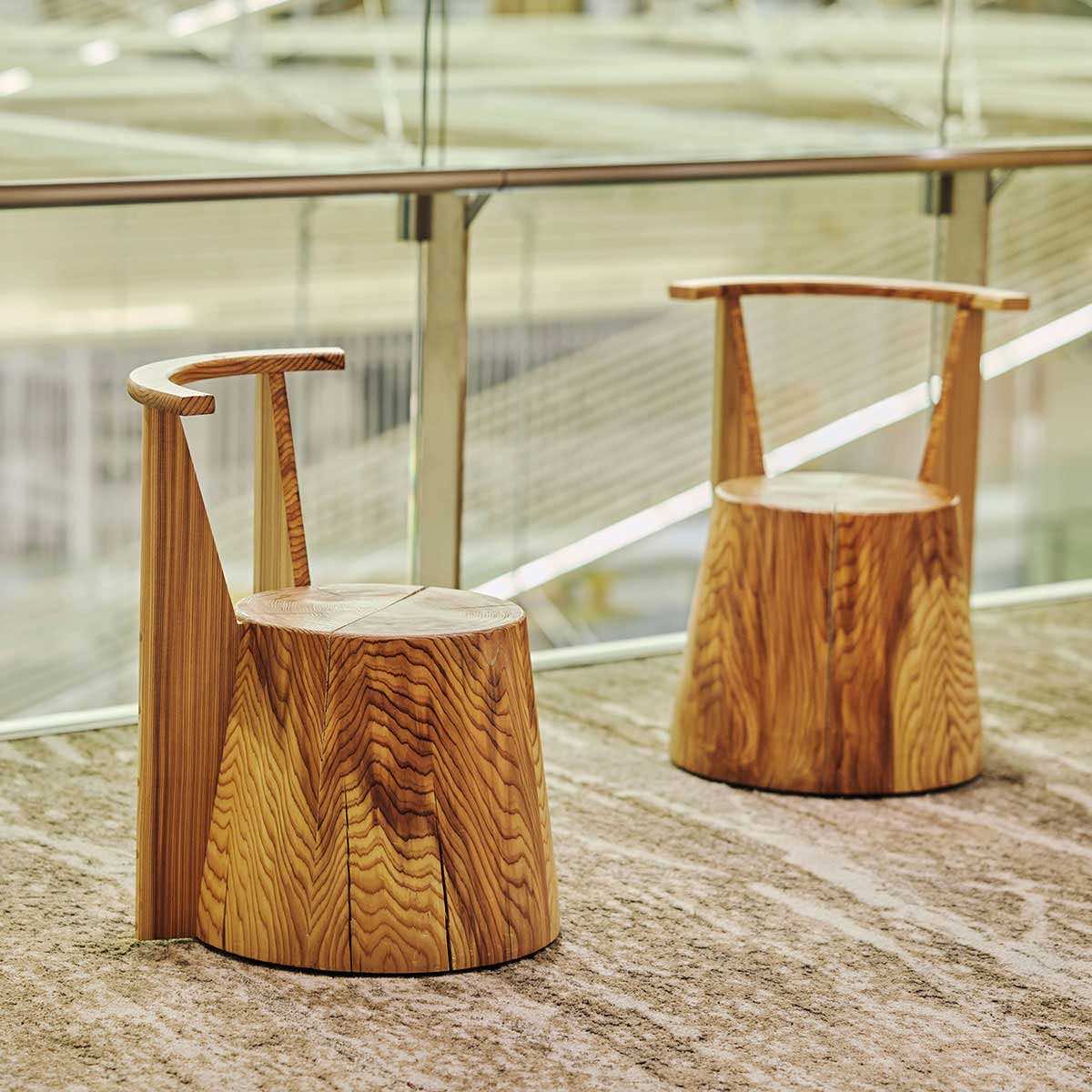
KIRI KABU
Designed by KUO DUO
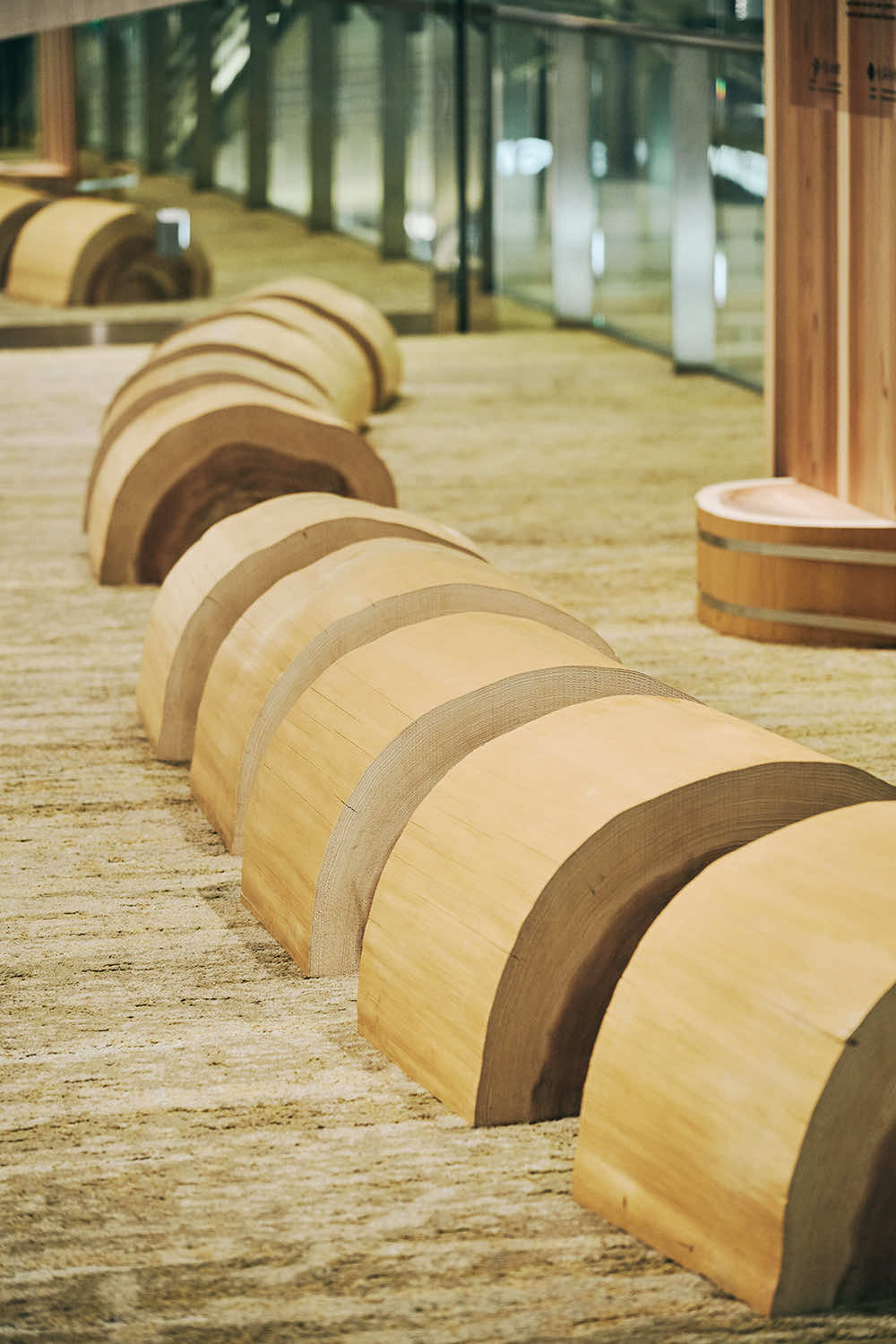
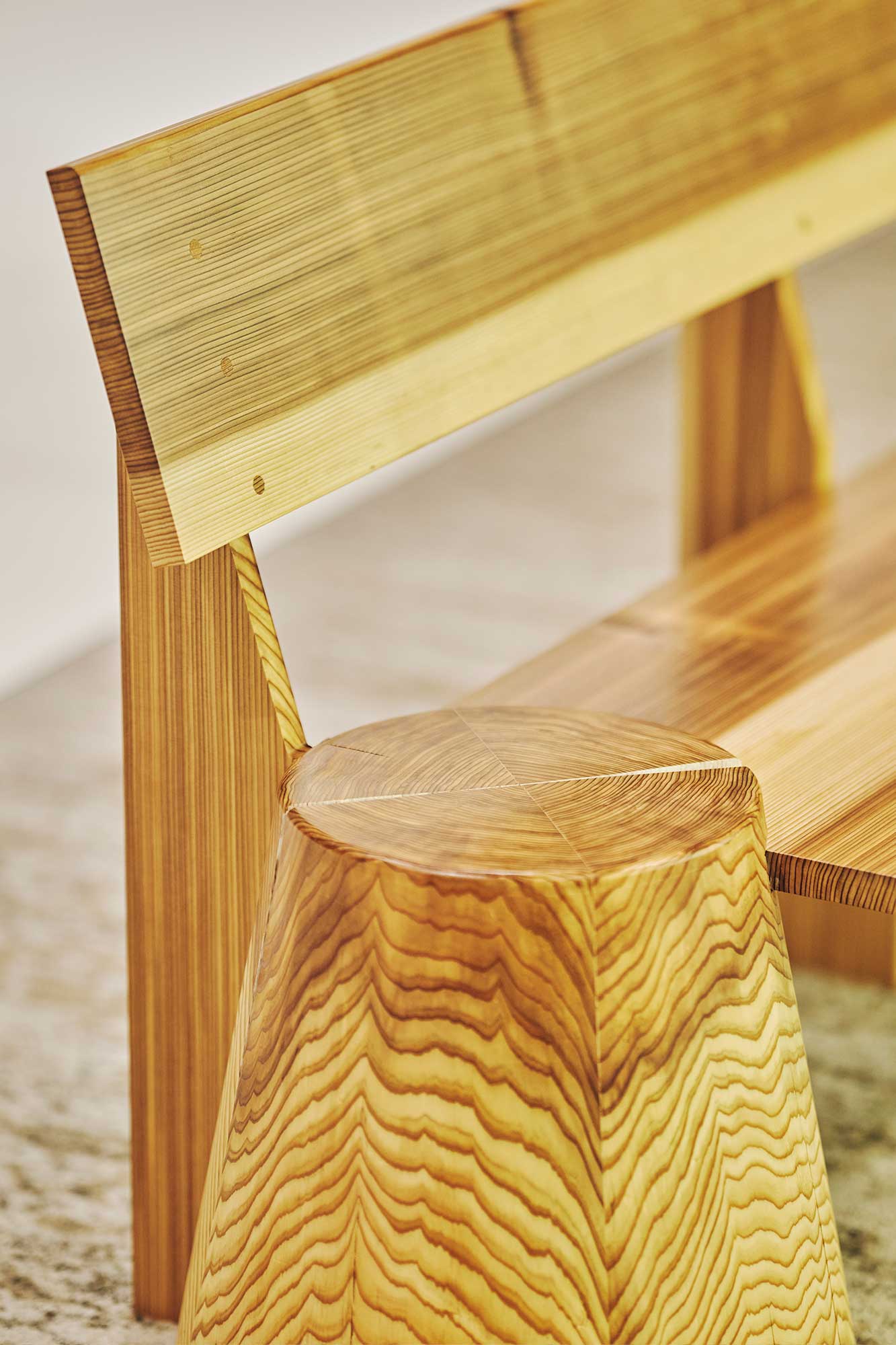
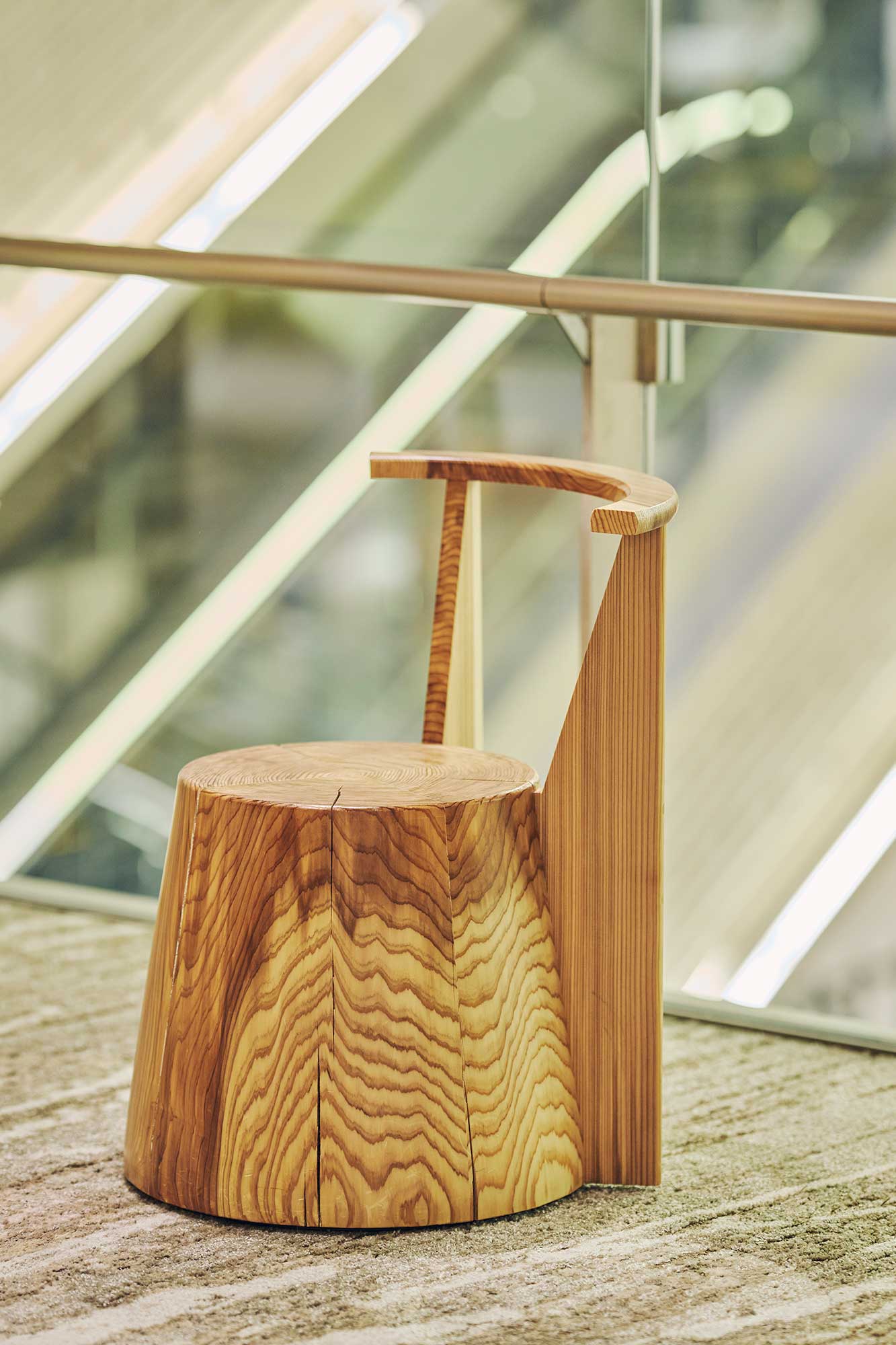
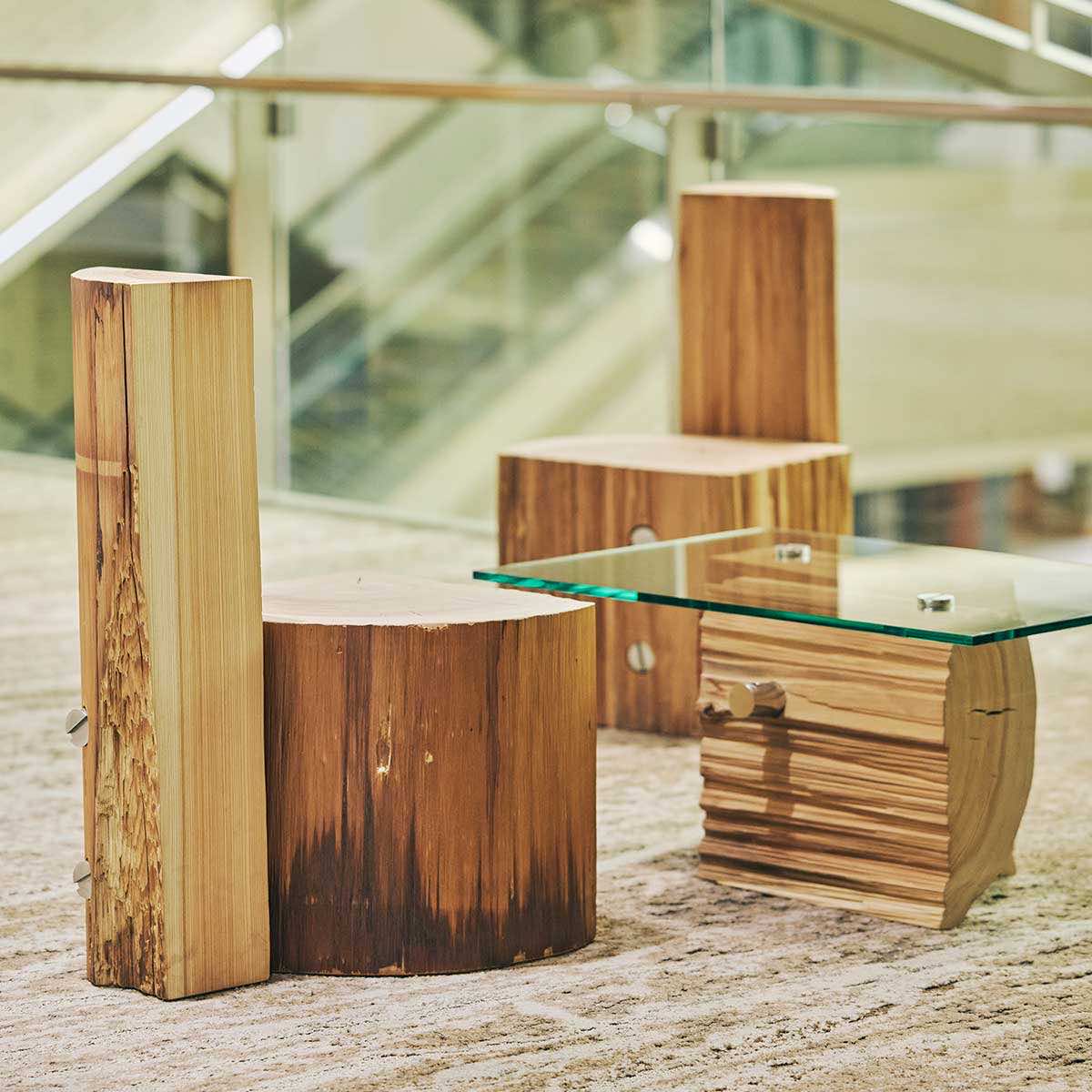
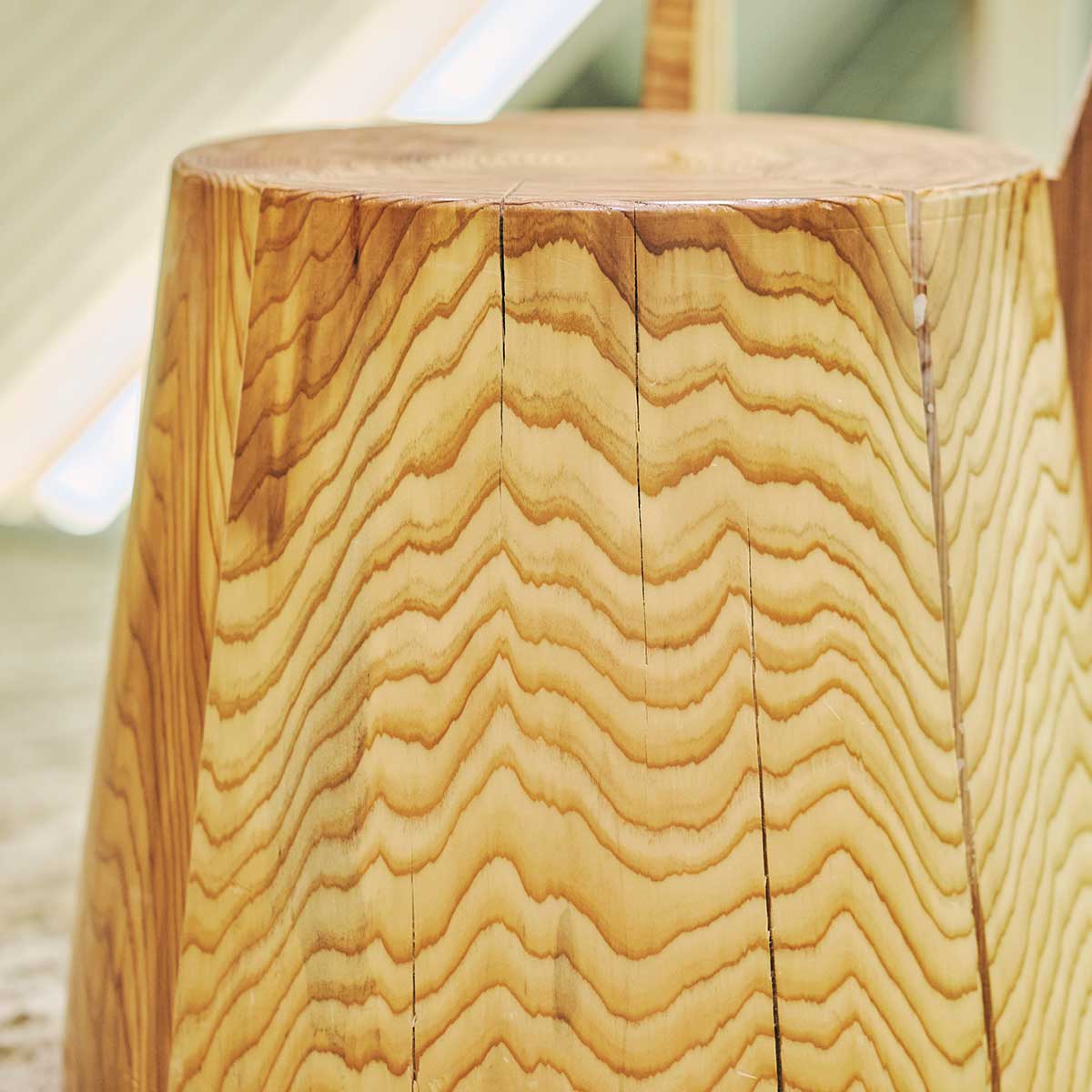
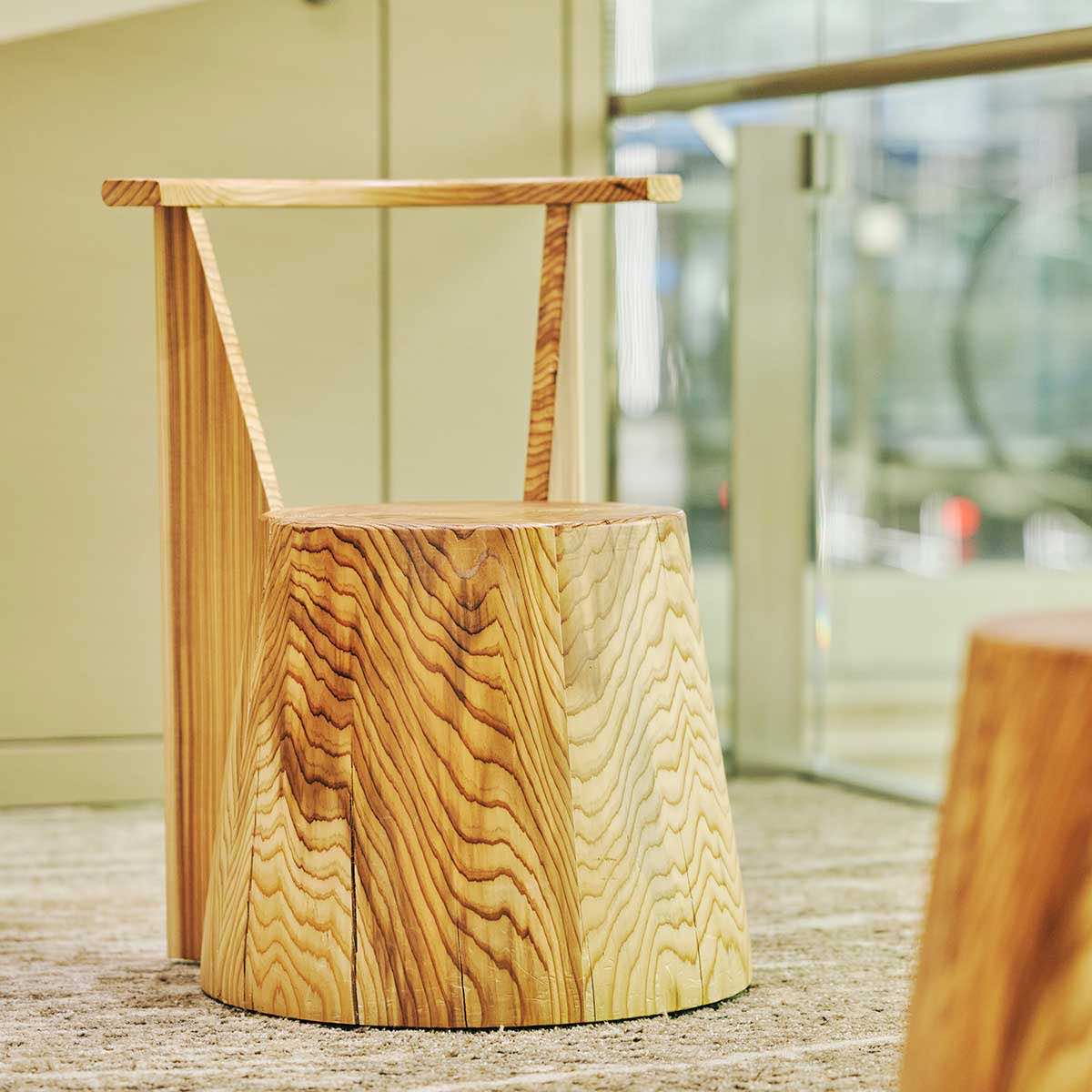
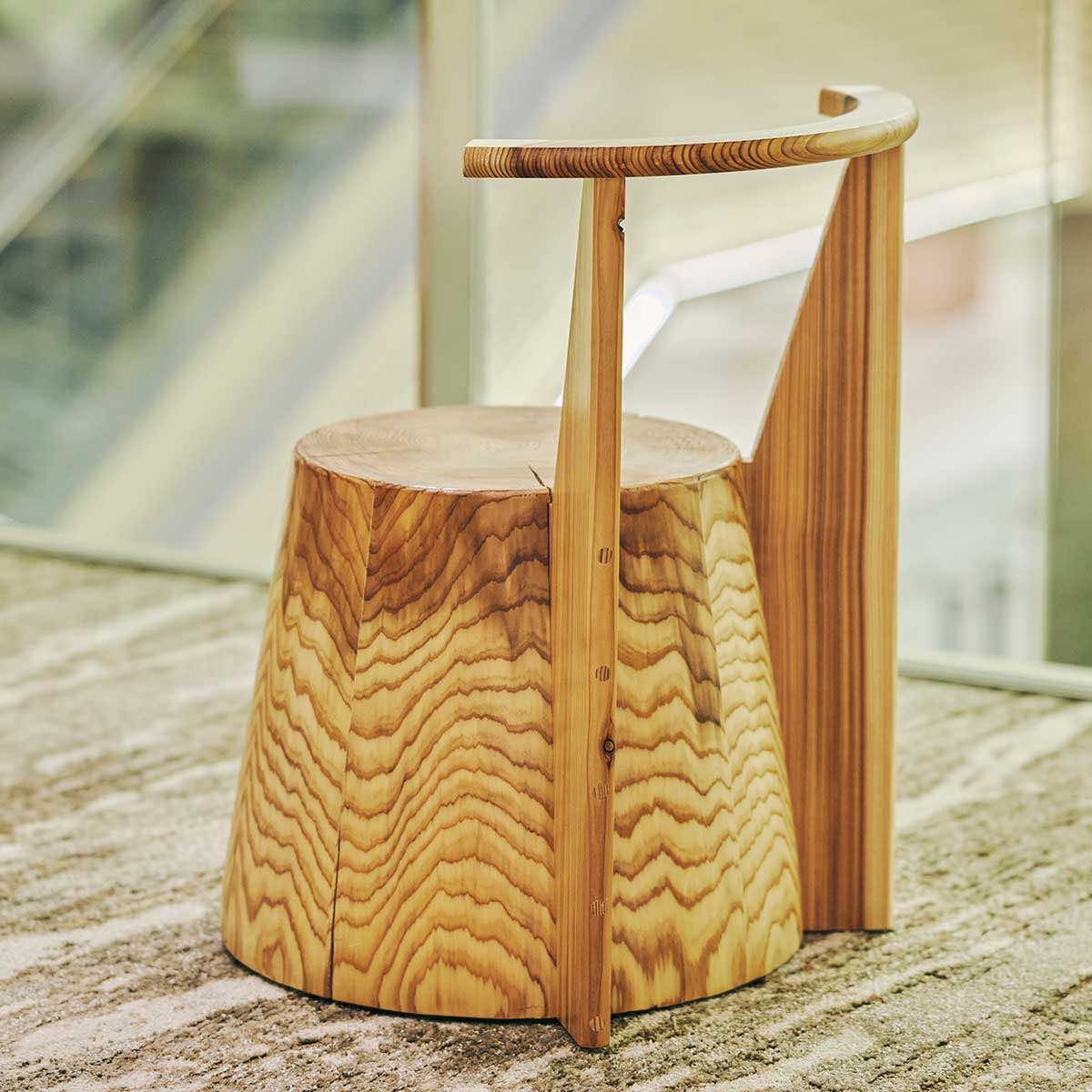
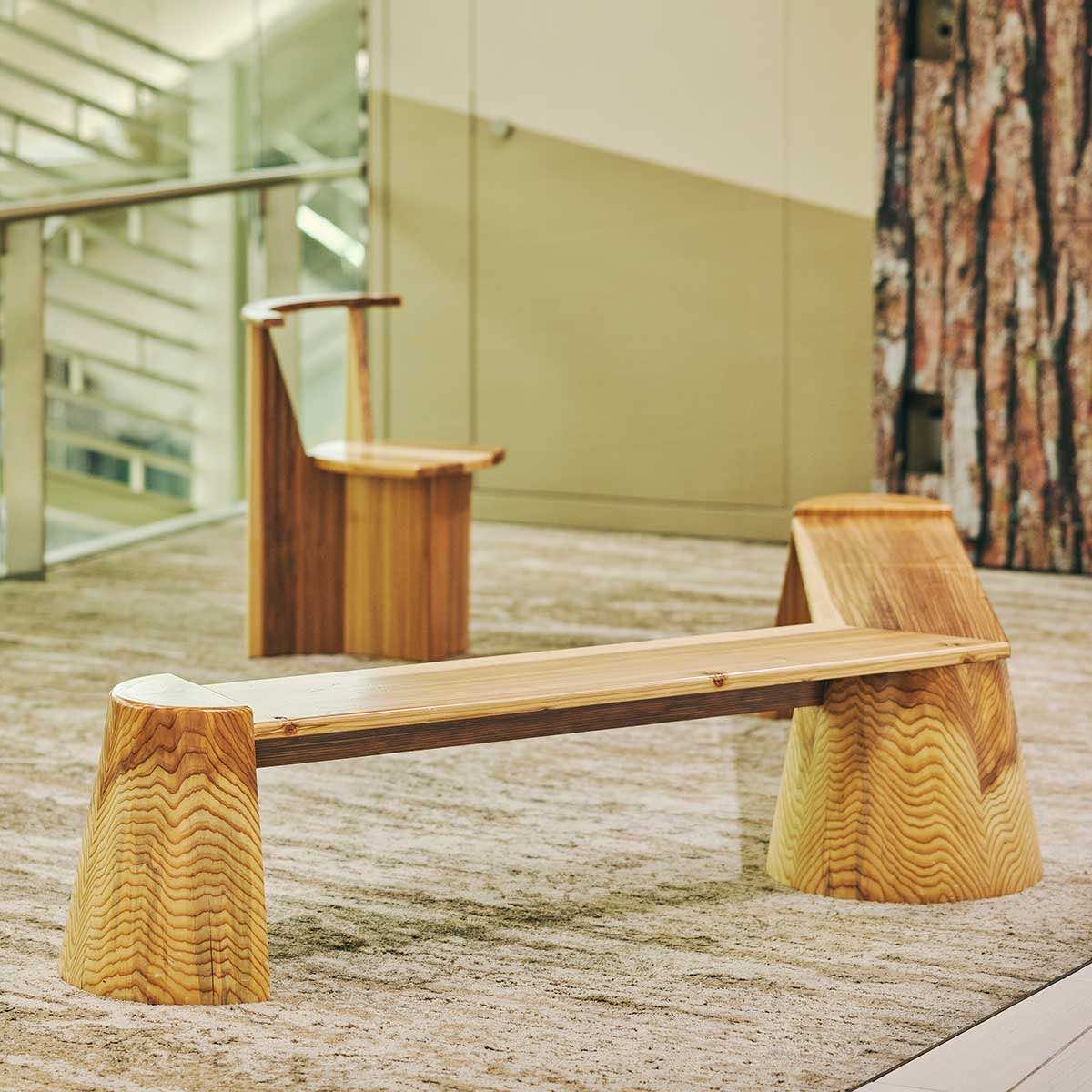
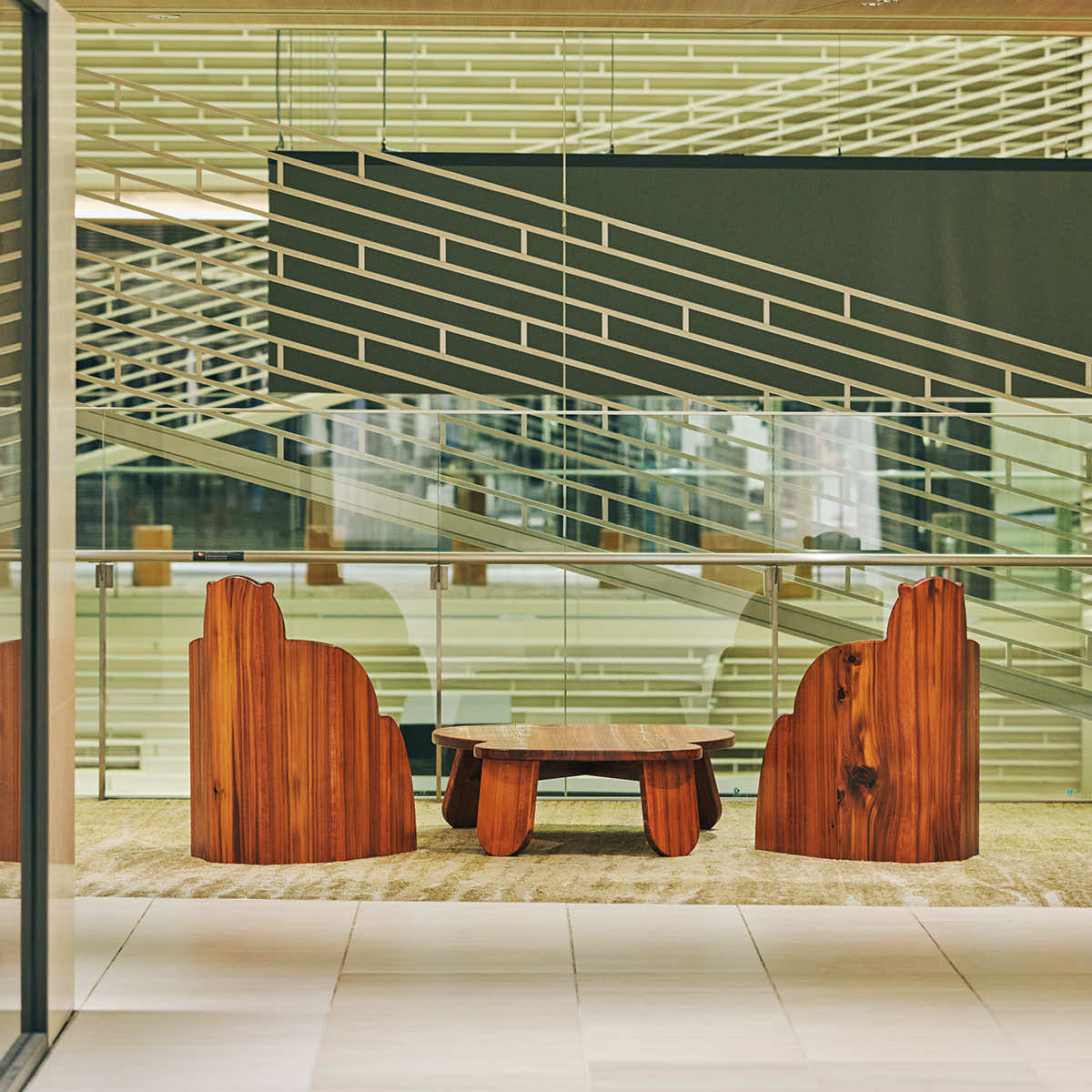
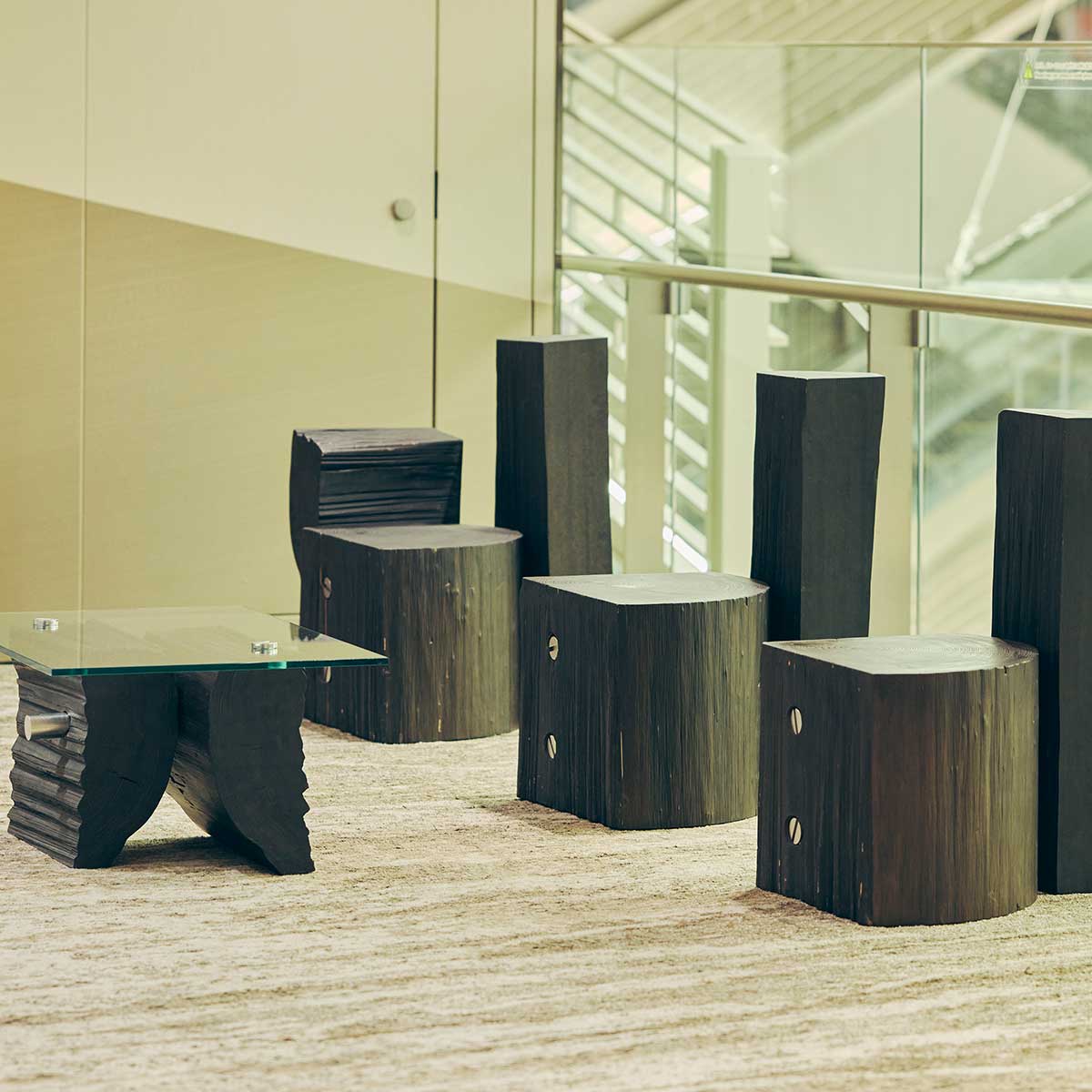
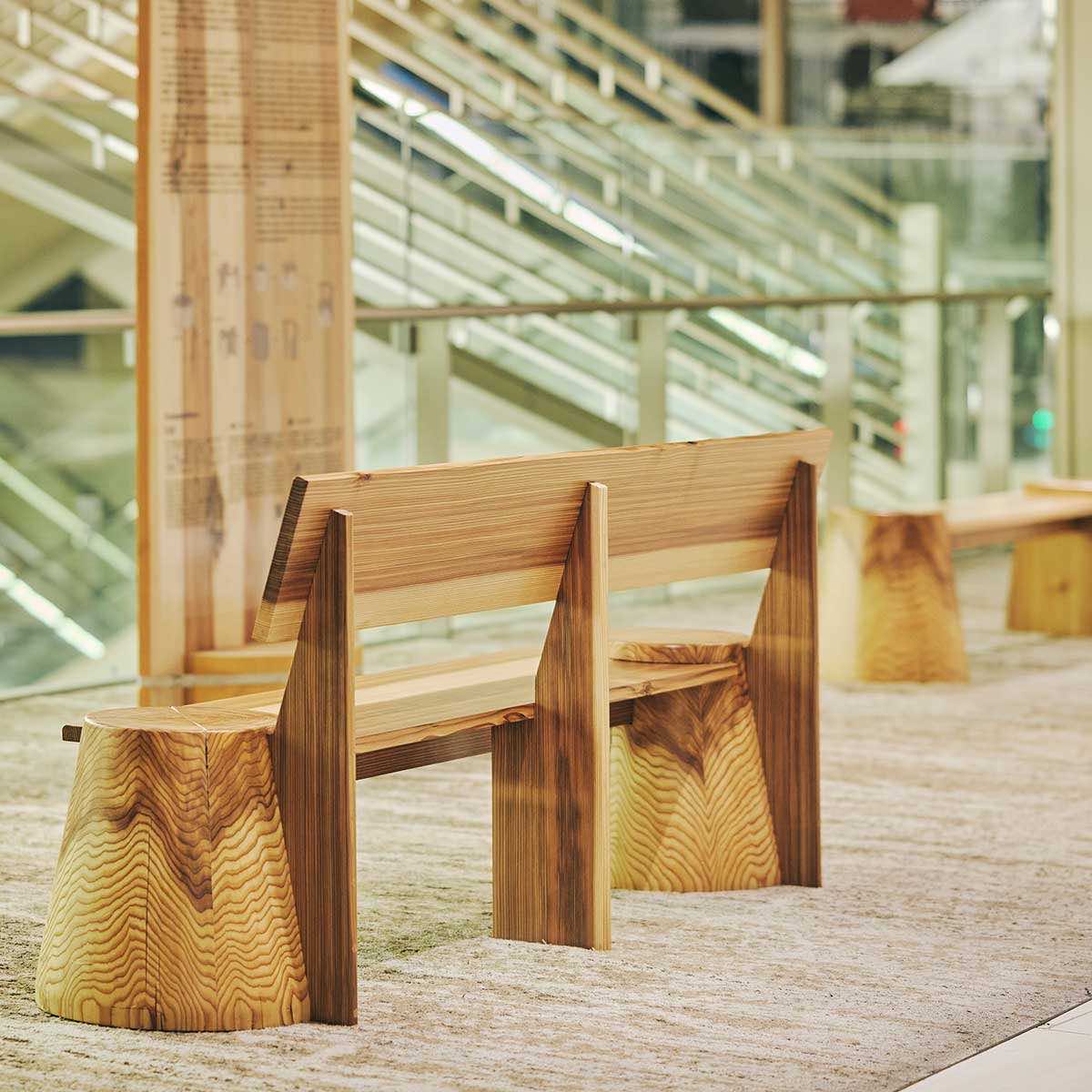
KIRI KABU is a furniture collection designed by KUO DUO that celebrates the inherent beauty of Yoshino Sugi through meticulous woodworking craftsmanship. The collection draws inspiration from the tree stumps found throughout Yoshino’s forests—once the starting points of growth, now quiet traces of endings. This duality of life and passage sparked the designers’ vision for the project: scattered stumps within the GINZA SIX space, offering moments of rest, renewal, and contemplative pause.
KUO DUO focused on Yoshino Sugi’s striking contrast between pale sapwood and rich heartwood, accentuated by the rhythmic pattern of its tightly spaced growth rings. Through precise cutting and woodturning techniques, each log is shaped into cylindrical, stump-like forms that reveal the subtle gradation between sapwood and heartwood, along with the texture of its growth rings. The result is a sculptural reinterpretation of the stump—transforming the traces of the tree into functional objects that enrich everyday life.
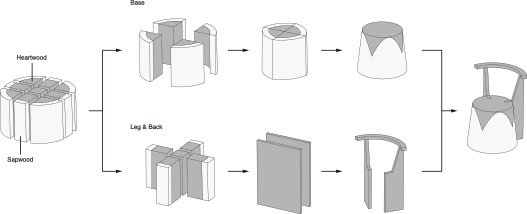
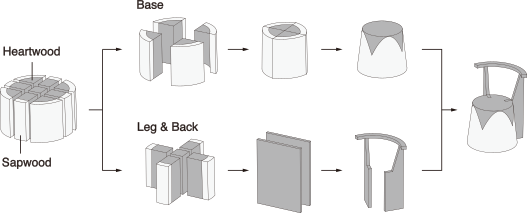
Furthermore, to make the most of the limited material, a single piece of wood is divided into nine sections. Four corner pieces are reassembled into a cylindrical base and turned on a lathe to form the conical KIRI KABU shape. The remaining five sections are milled into boards for the seat, backrest, and other structural parts.
KIRI KABU embodies a dialogue between nature and interior space, inviting visitors to experience the serenity and layered beauty of Yoshino cedar within a contemporary urban environment. Each piece resonates with the forest’s calm energy, bridging the natural world and human experience in moments of pause and reflection.
03
Designer - Rio Kobayashi

Rio Kobayashi is a London-based designer and maker. Born in Tochigi, Japan, to a multicultural family of artisans with Japanese and Austrian-Italian roots, he grew up surrounded by ceramics, tools, and a deep understanding of craftsmanship. He built his first piece of furniture at a very young age and, at eighteen, moved to Austria to undertake a three-year apprenticeship in traditional cabinet making.
After his training, Kobayashi spent several years working with international design studios and artists in Milan, Tokyo, Paris, Berlin, and Innsbruck, before establishing his own practice in East London in 2017. There, he creates furniture, objects, and interiors that blend precision with personality, drawing on both Japanese and Austrian craft heritage and the experimental nature of contemporary European design.
His works often initiate a playful dialogue that explores themes of cultural identity, movement, and form. Through bold color, refined detailing, and subtle narrative, Kobayashi translates lived experience into tactile expression. His pieces have been exhibited internationally at institutions and events including the Victoria and Albert Museum, London Design Festival, Milan Design Week, and Design Miami, Frieze Art Fair, and have been featured in leading design publications worldwide.
Collection -
Edisni tuo
(or Inside Out)
Designed by Rio Kobayashi
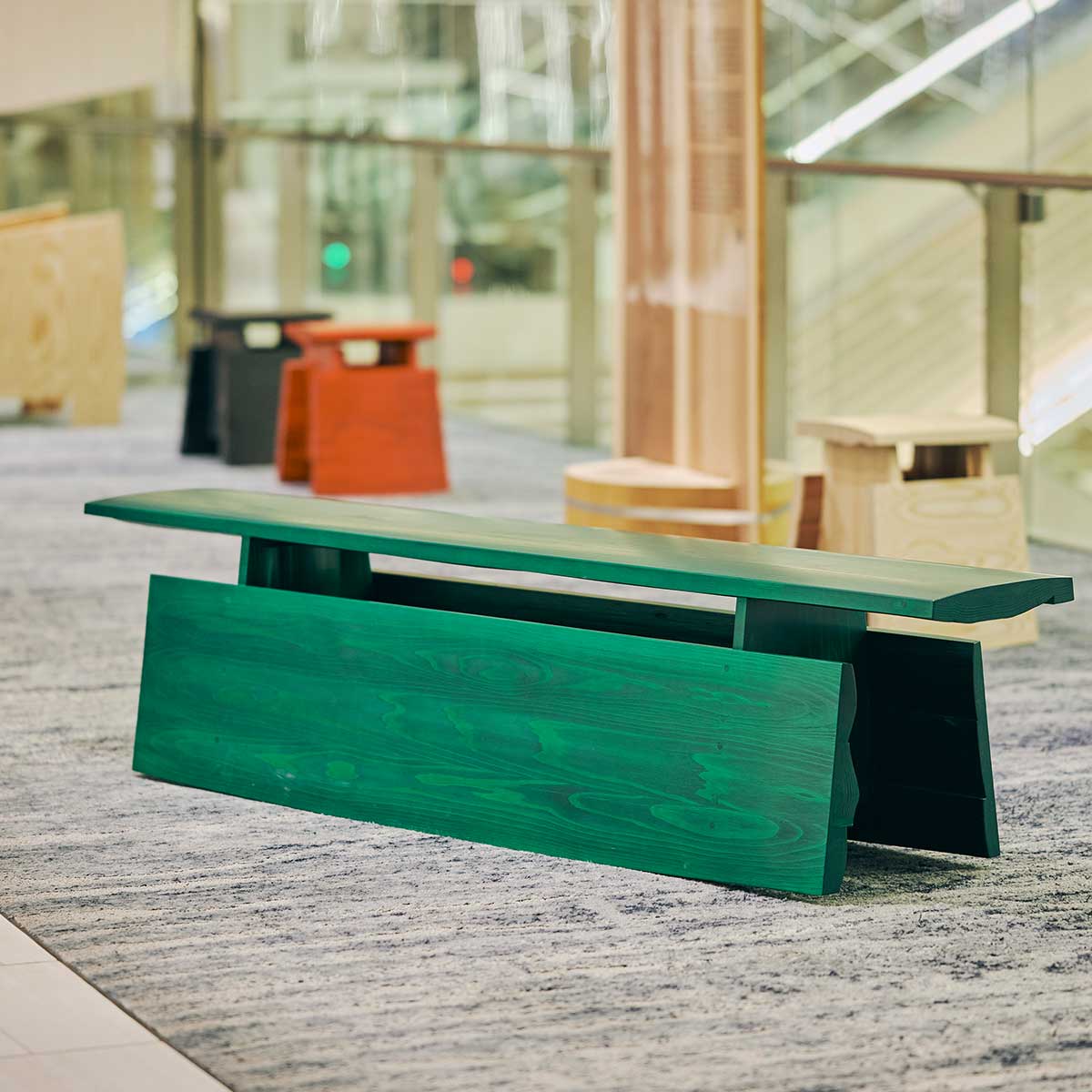
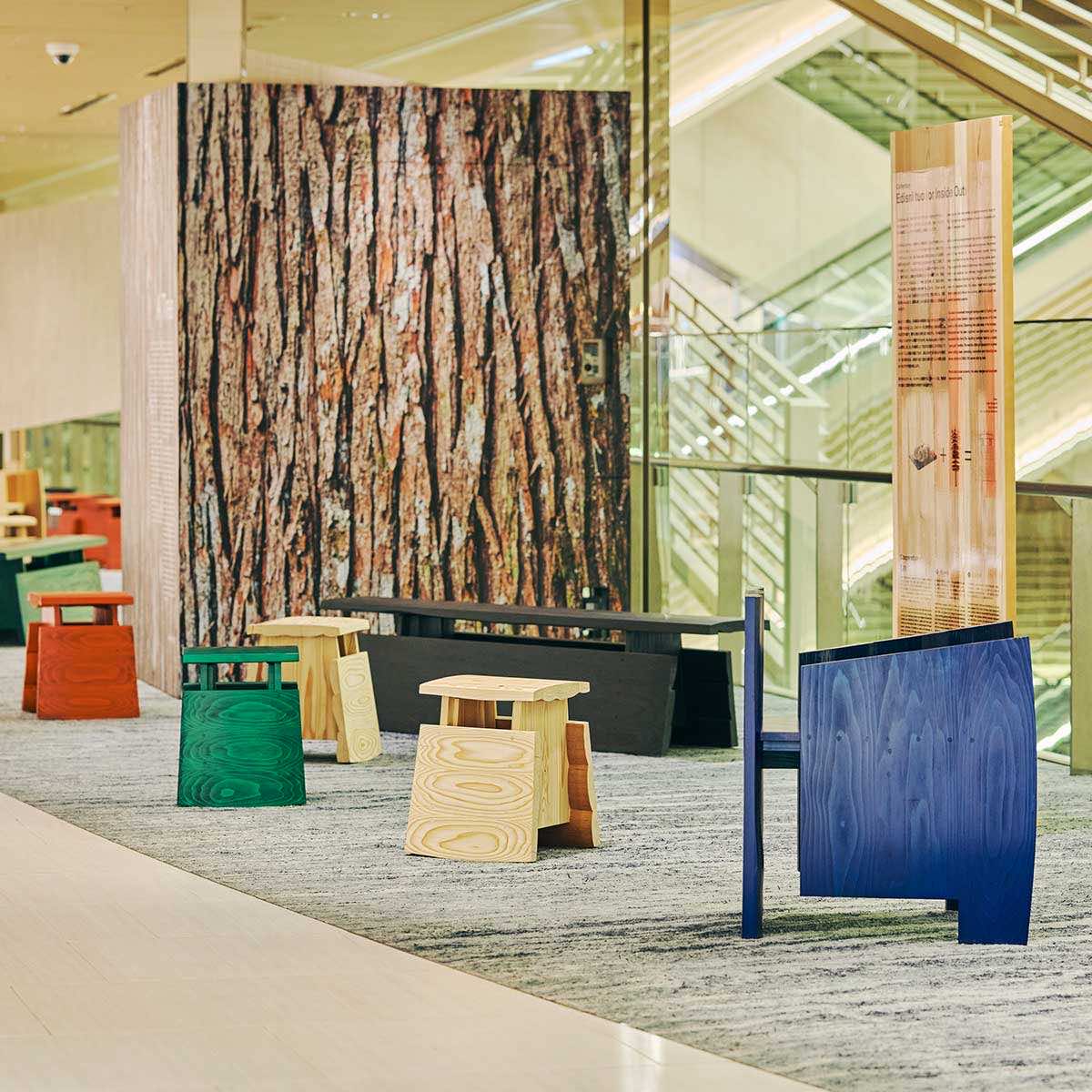
Edisni tuo is a furniture series by Japanese-Austrian designer Rio Kobayashi, exploring themes of inversion, movement, and cultural reinterpretation.
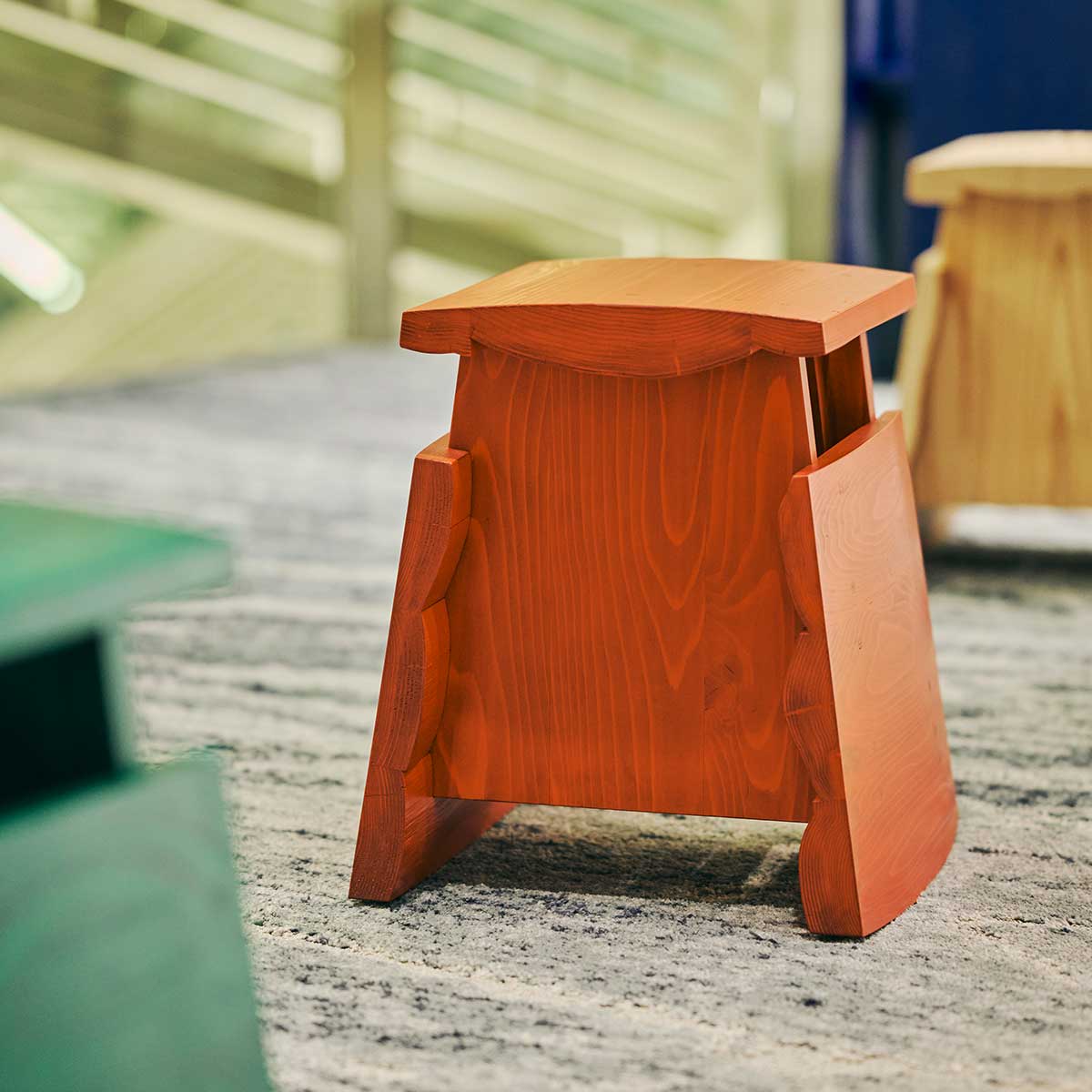
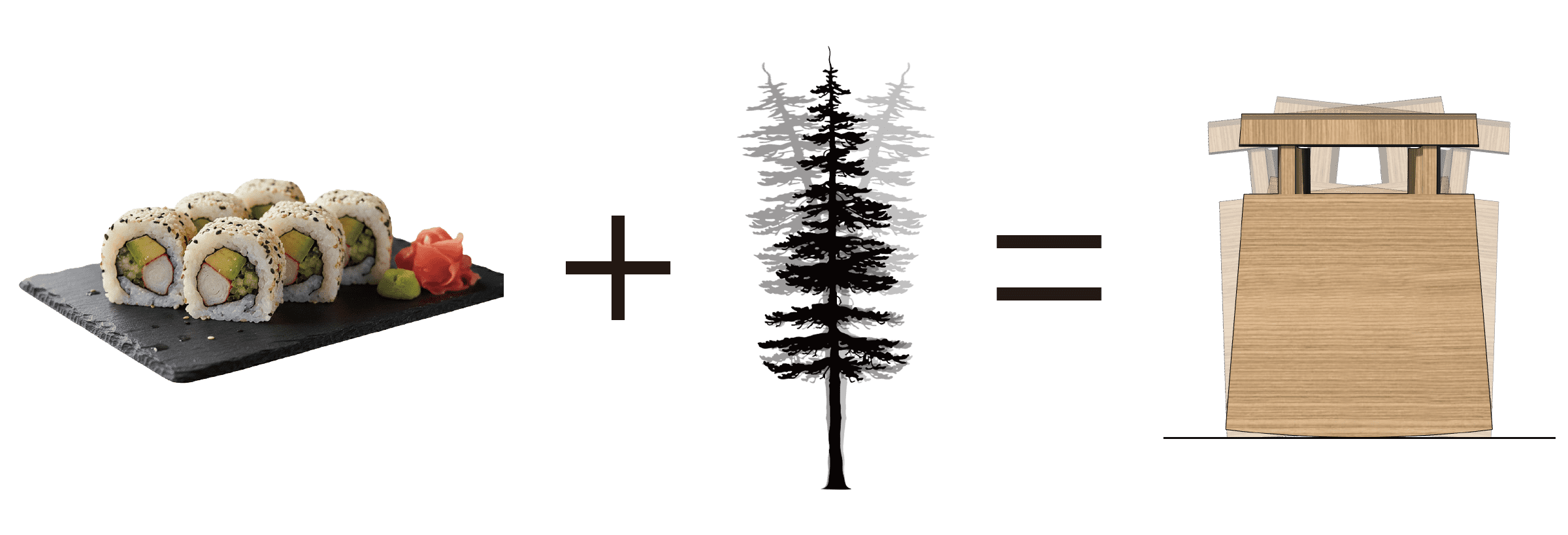
At its centre is a straightforward yet profound gesture: turning a log inside out, both physically and conceptually. This project marks a key moment in Rio Kobayashi’s practice. Having spent more than half his life living and working outside Japan, it is among his first works to take shape there, a creative return that is not nostalgic, but reframed through distance and a Western-influenced lens. Much like inside-out sushi, a Western twist on a Japanese dish, the pieces invert what’s expected. Bark is kept, cut surfaces are exposed, and what’s usually discarded becomes essential.
The idea of movement emerged during a visit to Yoshino, one of Japan’s oldest forestry regions and the source of the tree used for this series. Observing the quiet sway of the treetops, Kobayashi and his team explored how that motion could be translated into form. The resulting furniture features a subtle “gura gura” wobble. The wobble offers an unexpected surprise when sitting down, prompting connection and interaction between visitors to GINZA SIX seated side by side.
From chair to stool to bench, the series merges raw timber with expressive clarity.
Team: Irene Yamaguchi, Flavia Brändle, Amy Tai and Jan Stawiarski
04
Designer - Fabien Cappello
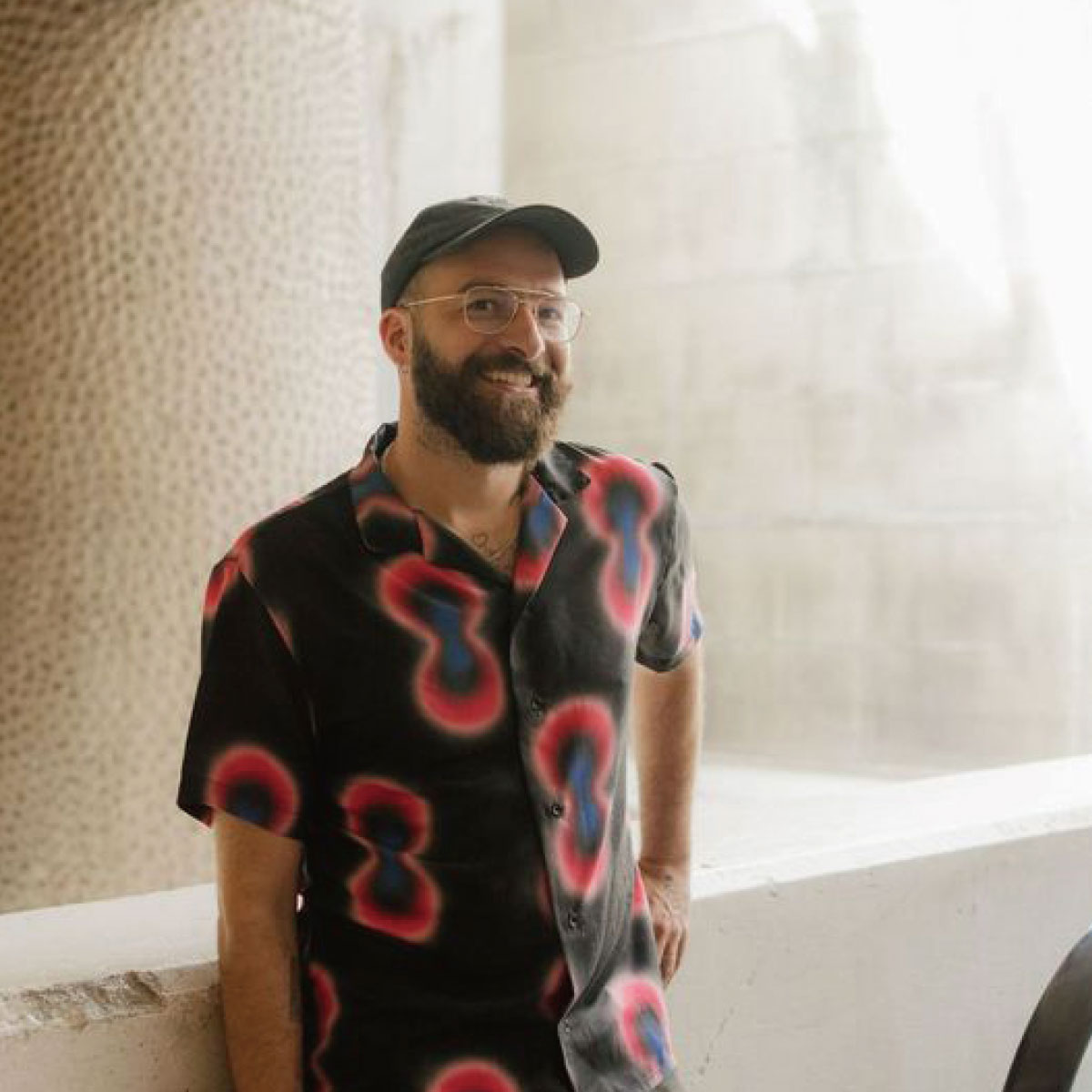
Fabien Cappello (France, 1984) is a furniture and product designer based in Guadalajara, Mexico. Educated at the University of Art and Design (ECAL) in Lausanne and the Royal College of Art in London, his practice combines active design work with investigations into Mexican material culture, positioning his studio as an influential reference in contemporary design at an international level.
His body of work makes his design strategies tangible. Cappello describes his approach as an attempt to propose “a non-aspirational aesthetic, connected to a new order of values.” His work uses elements of vernacular culture and materials or techniques that are often overlooked or little considered by industry, not as imitation but as relevant solutions. The aim is to create durable and culturally significant objects and spaces that respond to functional and social aspects of everyday life. Through research and published projects on Mexican material culture, he also questions the role of design, manufacturing, and material systems in shaping our cities, identities, and ways of living together.
In 2021, he launched Objetos de Hojalata para el Hogar (Tin Objects for the Home), a concept brand developed with a network of traditional tin makers in downtown Guadalajara. The project focuses on redesigning common objects—such as watering cans, buckets, vases, and candleholders—made from galvanized steel, highlighting the relevance of small-scale production and the economic and cultural value of techniques often overlooked today. The collection is distributed internationally, including in London, Japan, Australia, and the United States.
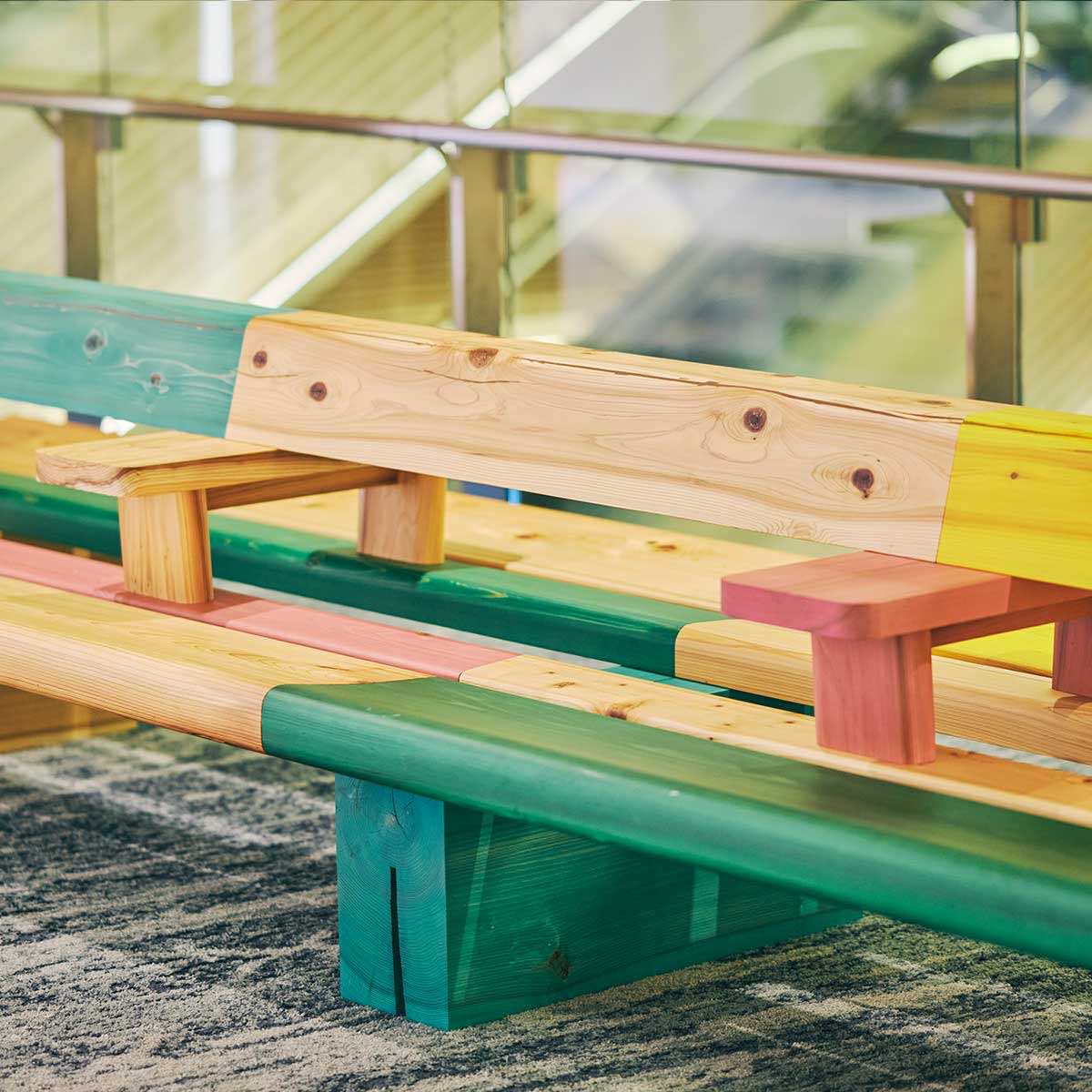
Collection -
Multi
Designed by Fabien Cappello
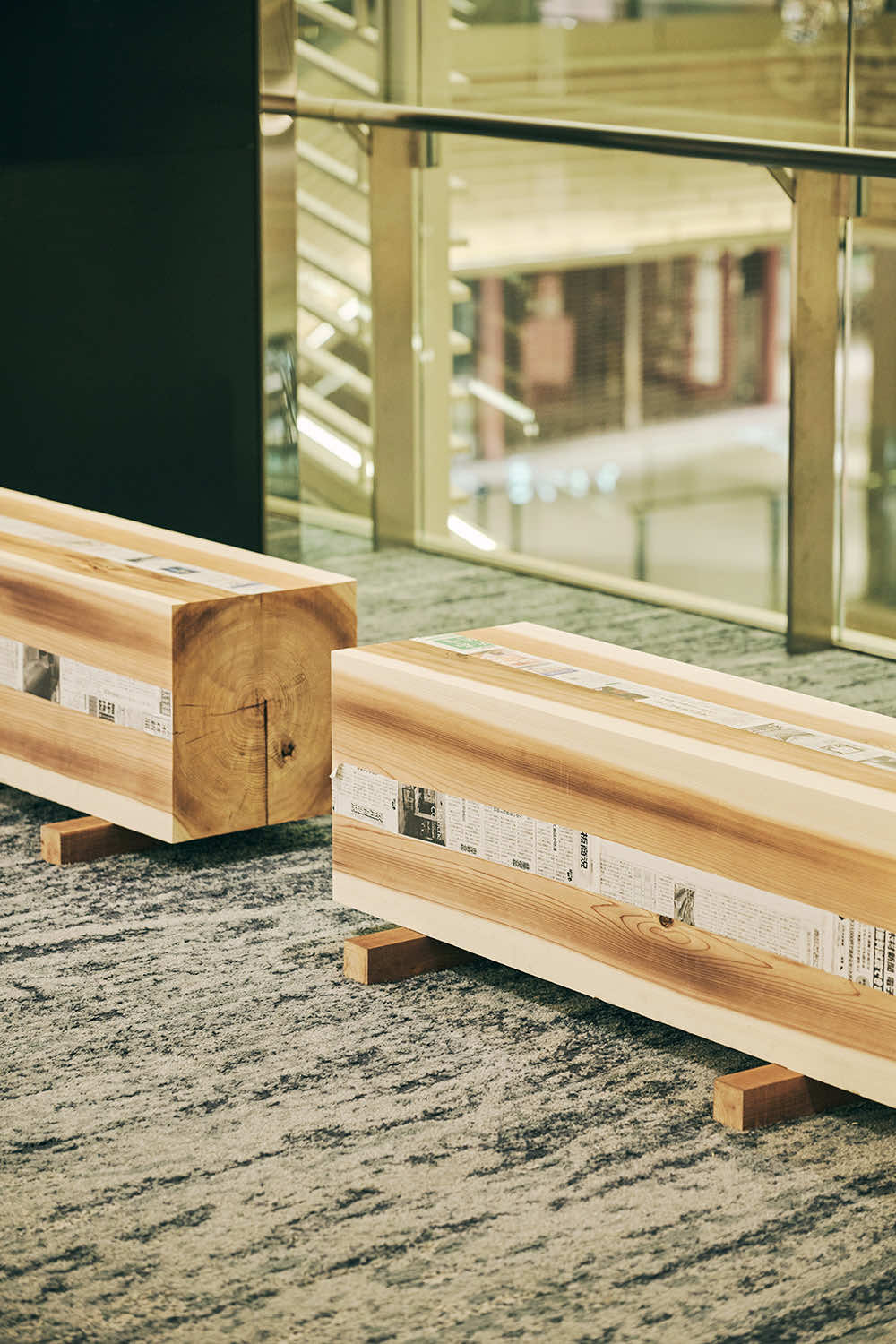
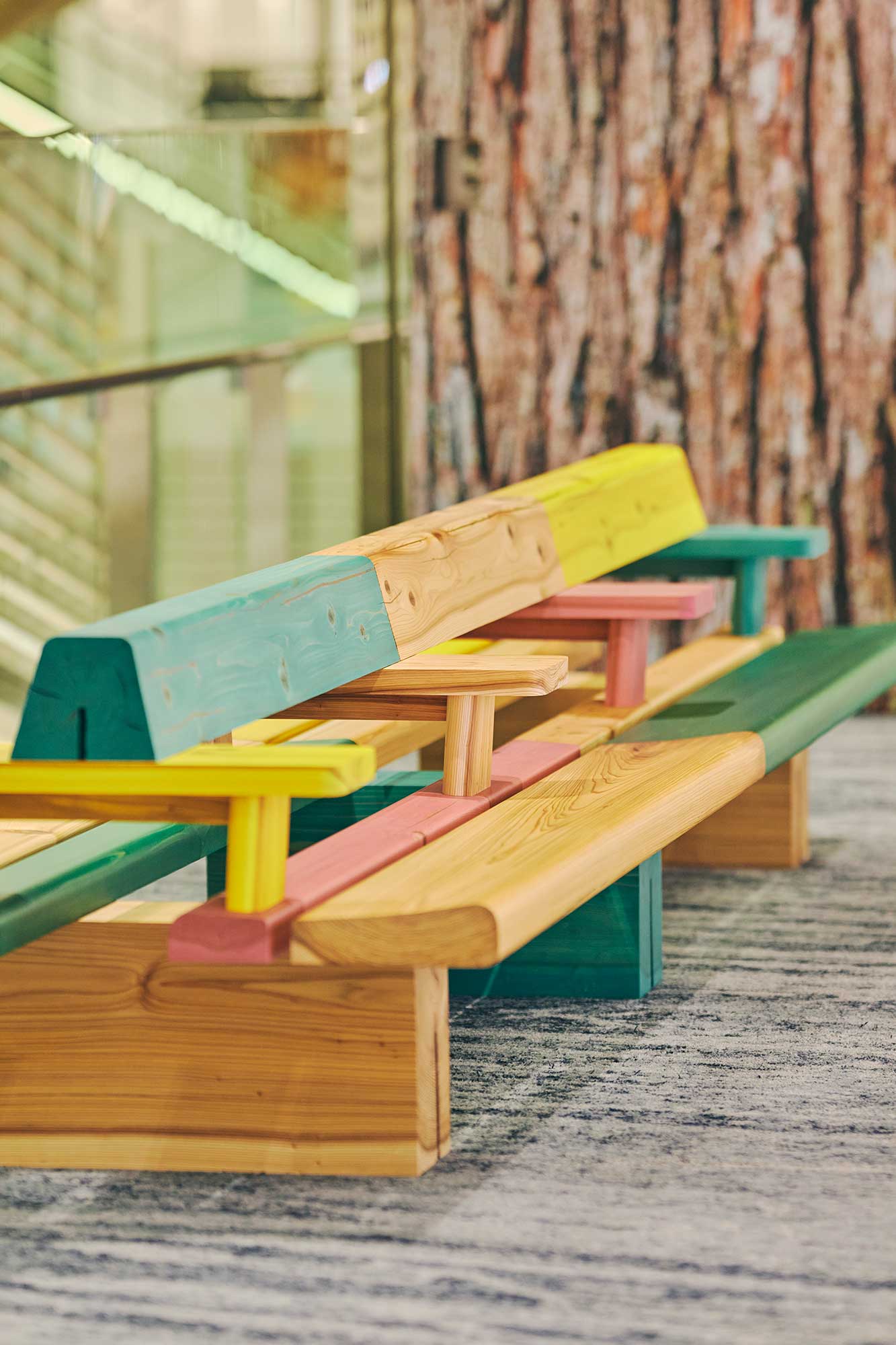
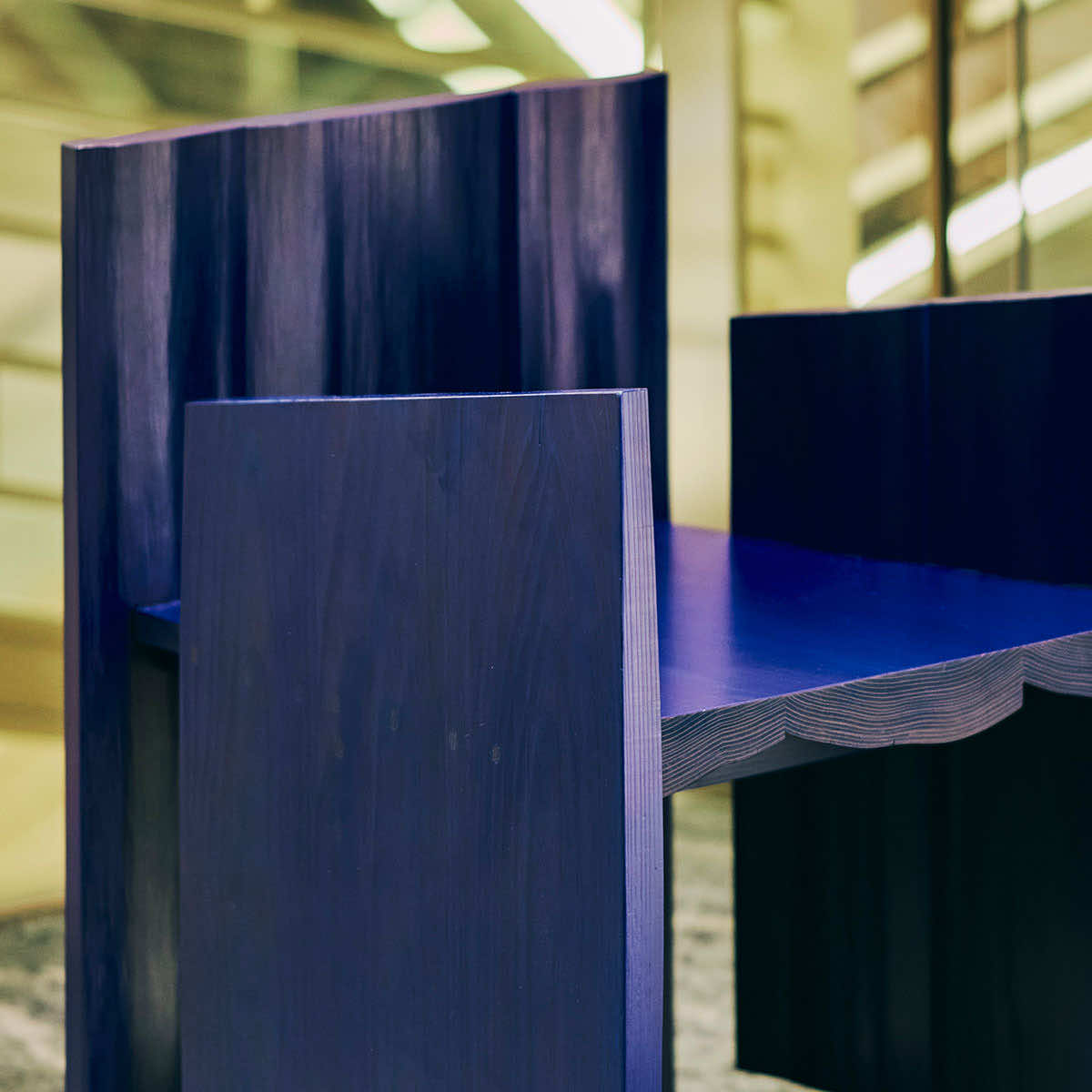
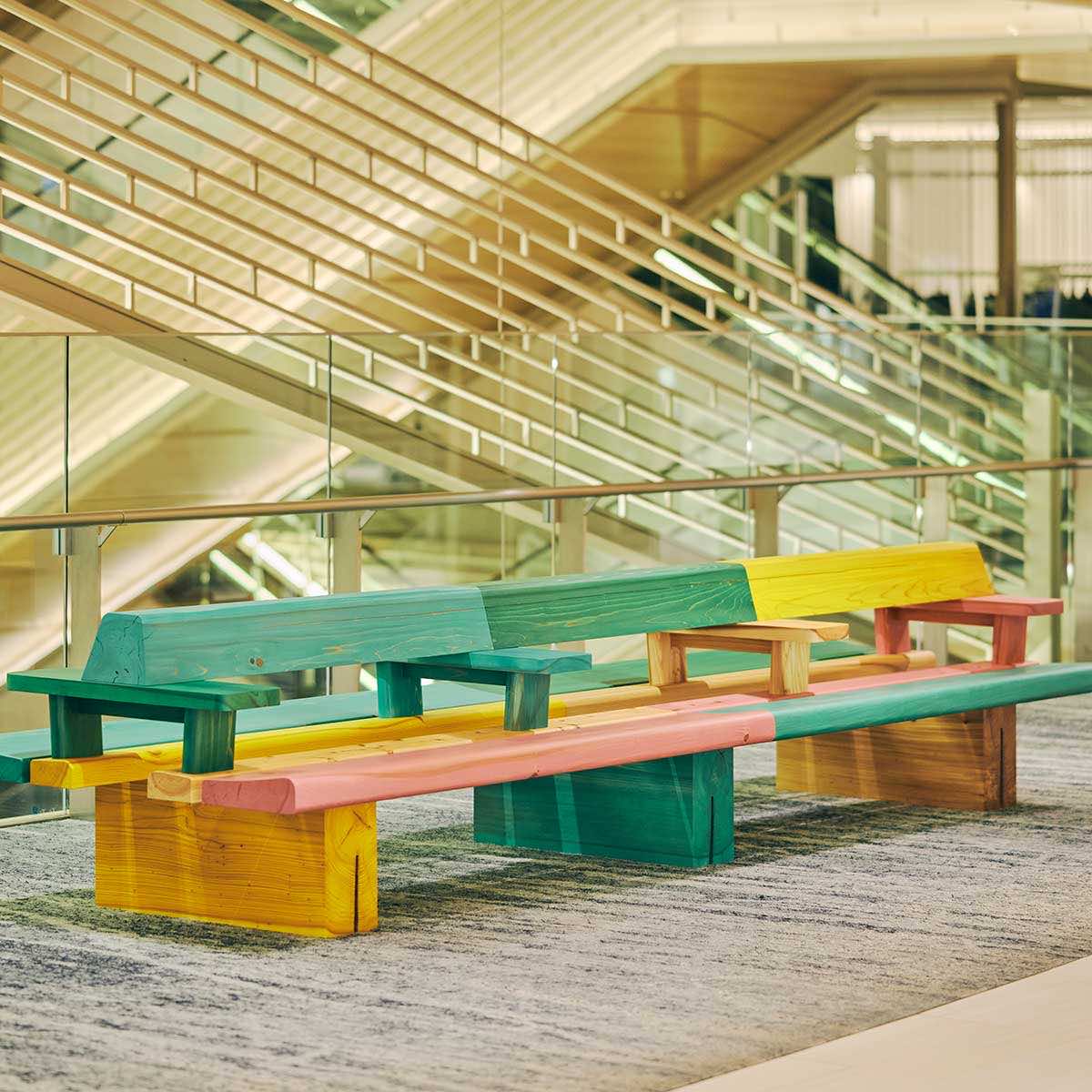
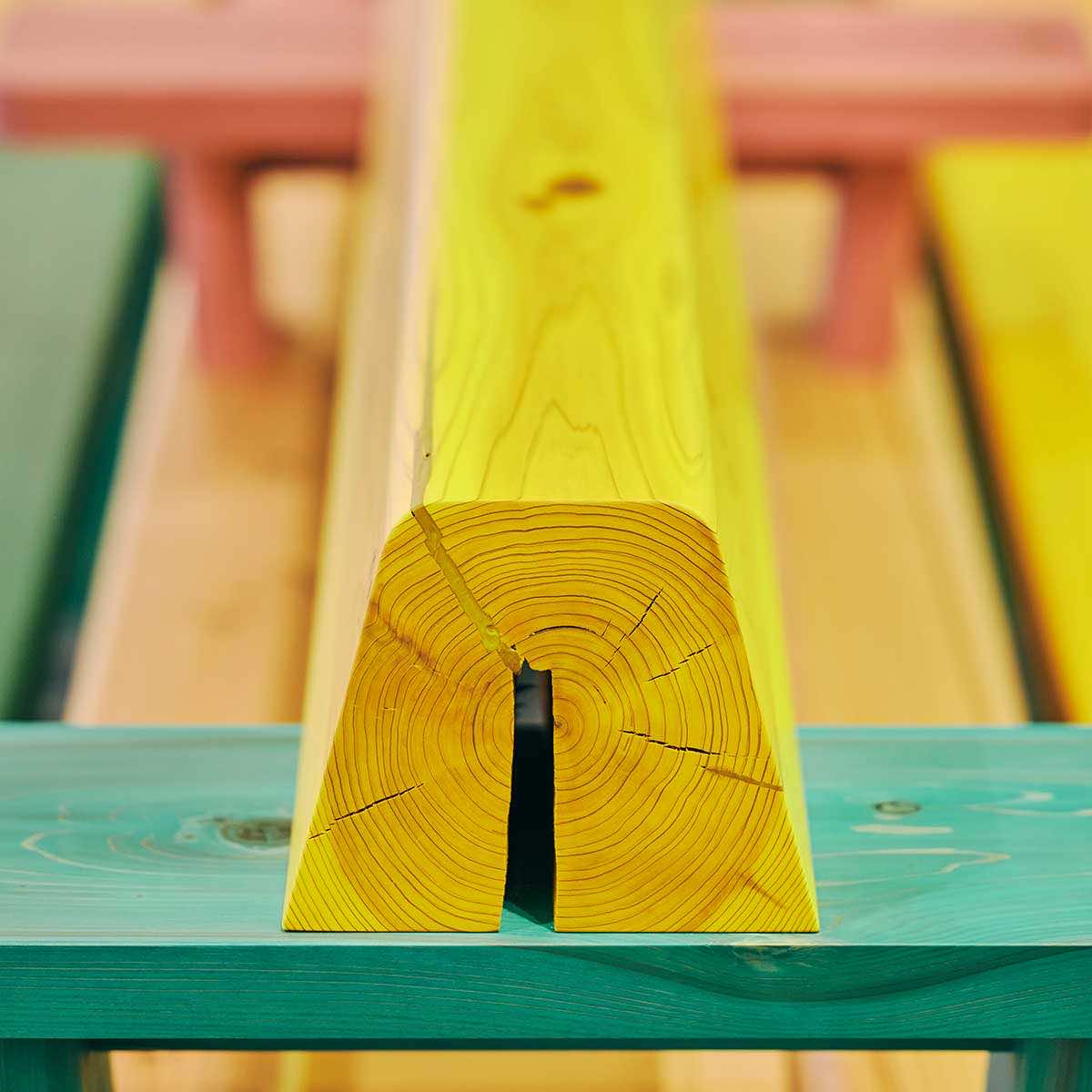
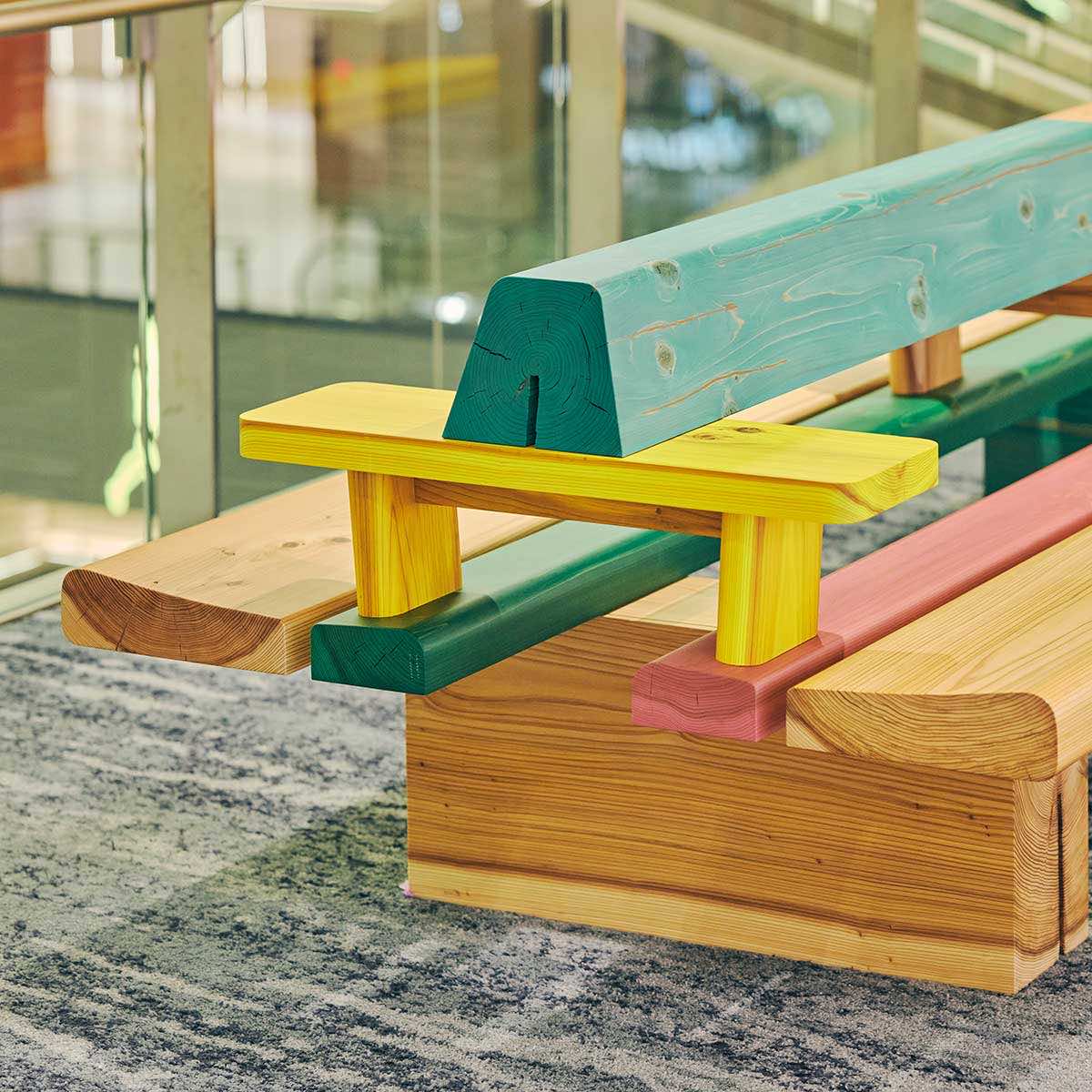
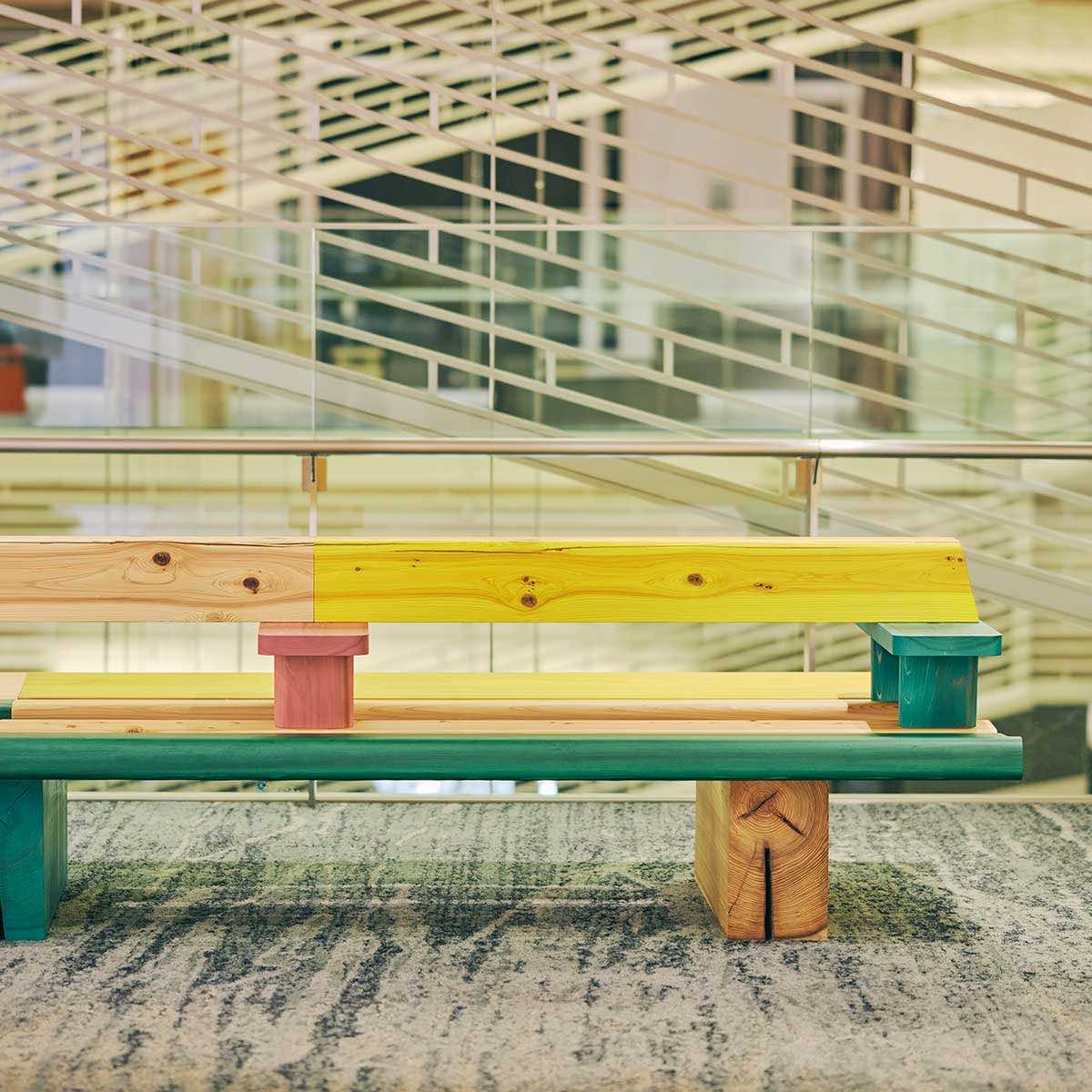
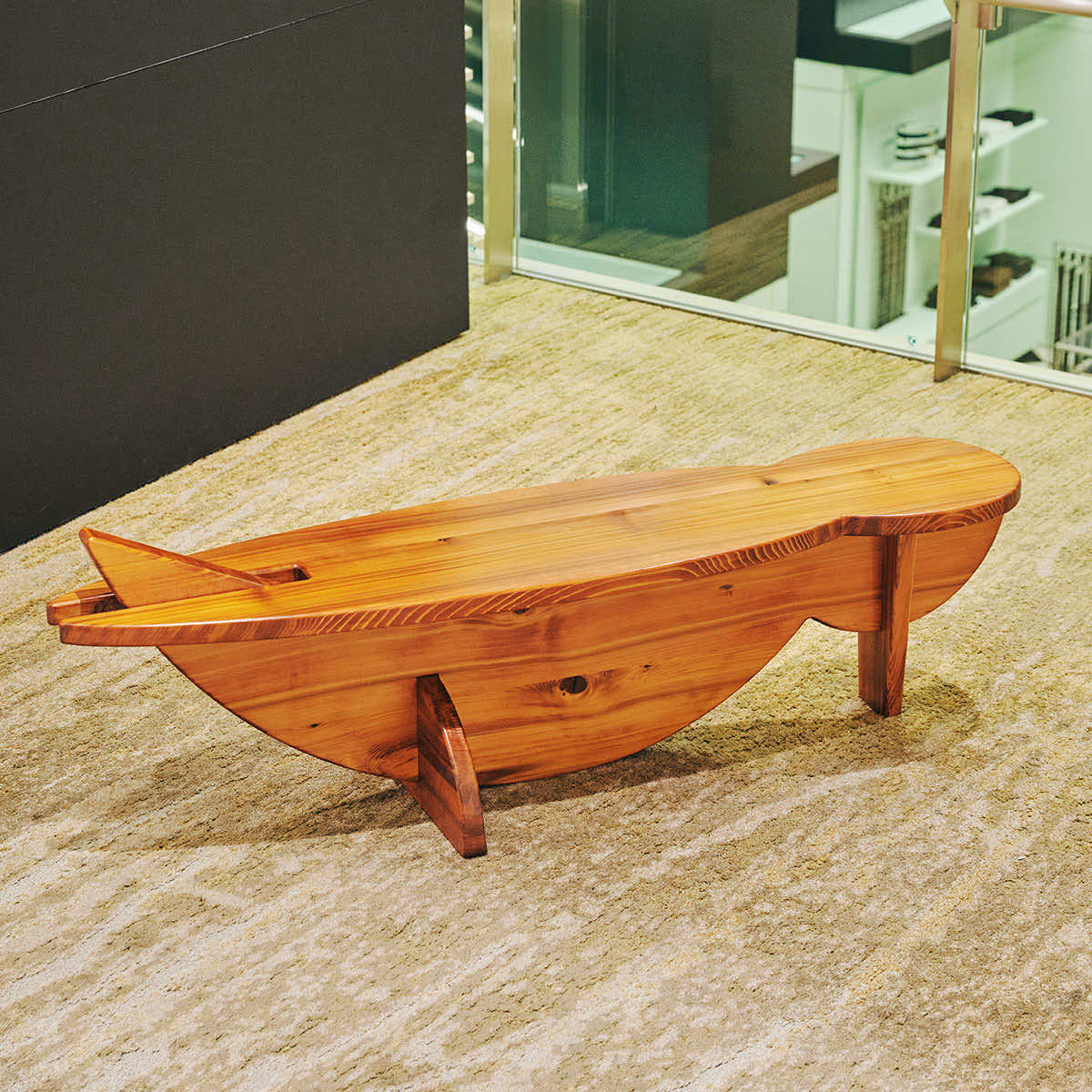
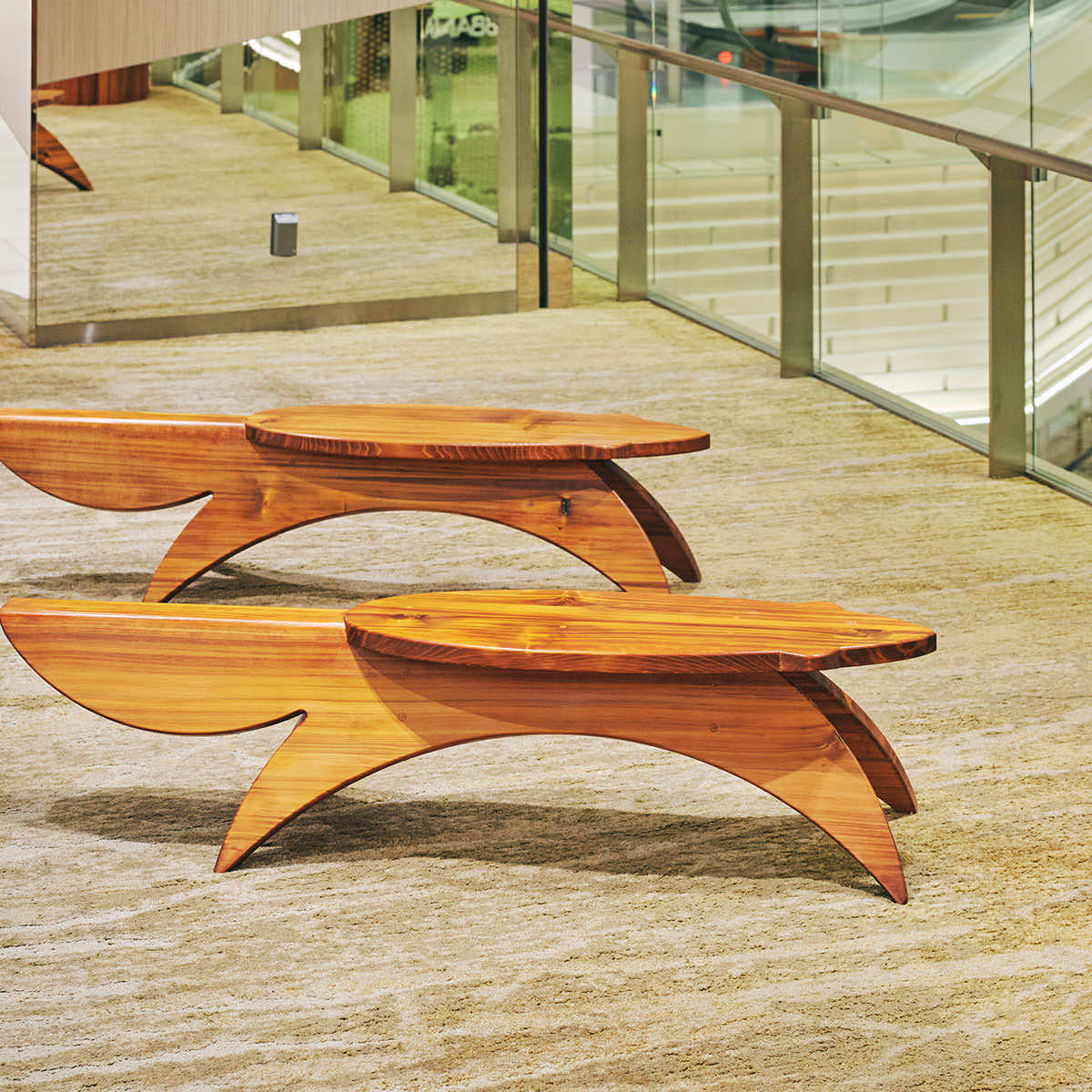
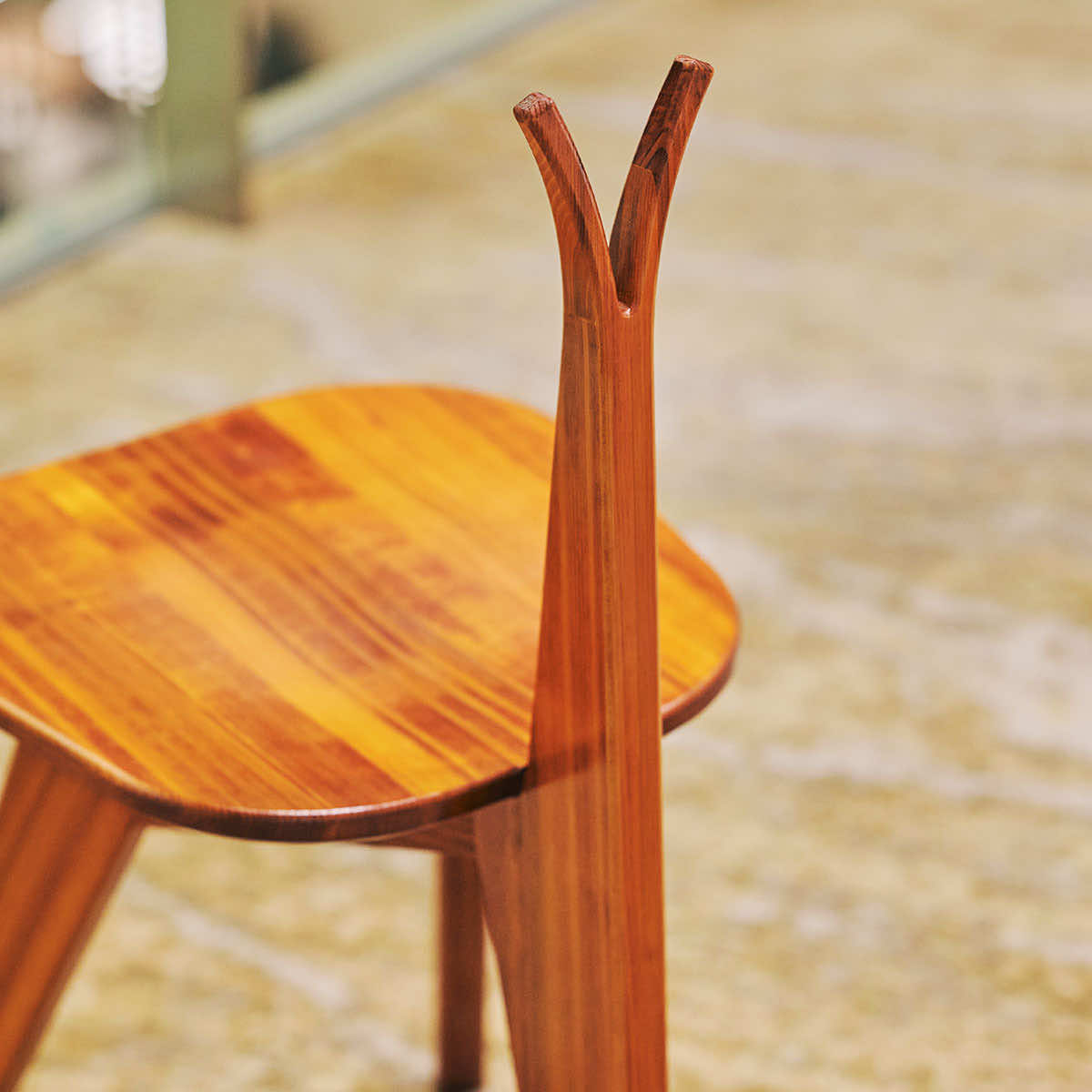
The bench I designed transforms the act of seating into a shared and public experience within GINZA SIX.
It explores a couple of simple questions: can a single tree be transformed to comfortably seat many people, and how to foster comfort and invitation in public seating.
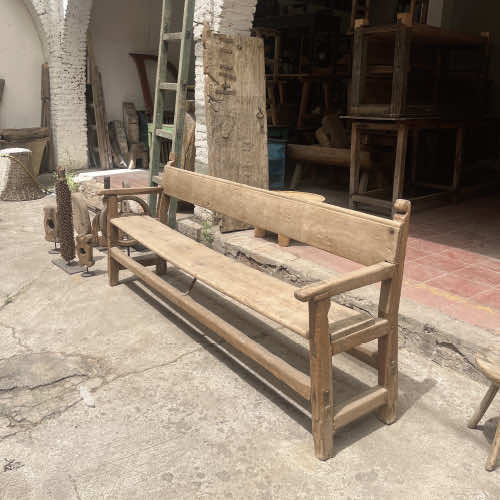
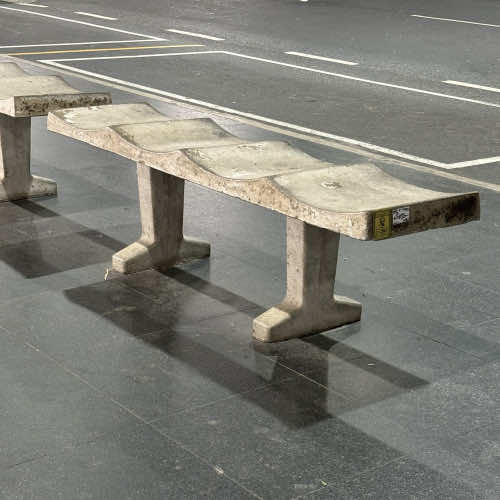
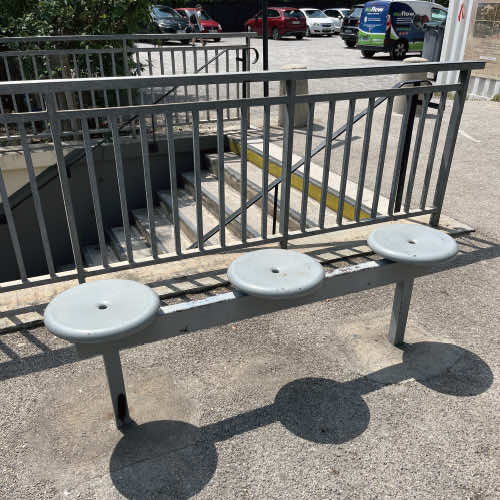

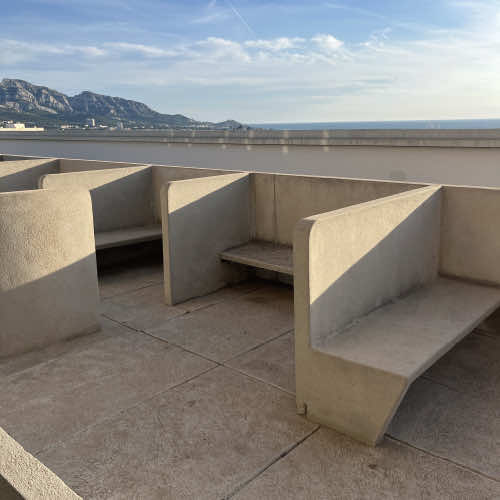
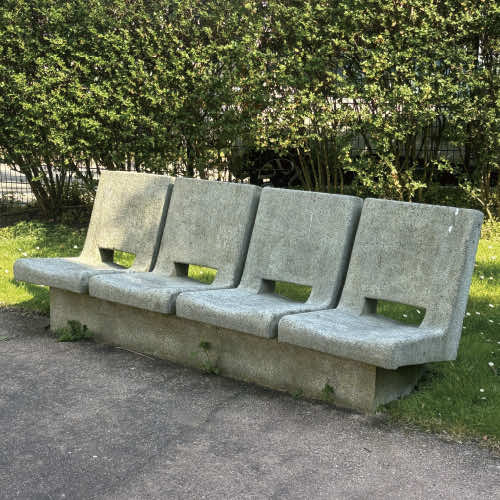
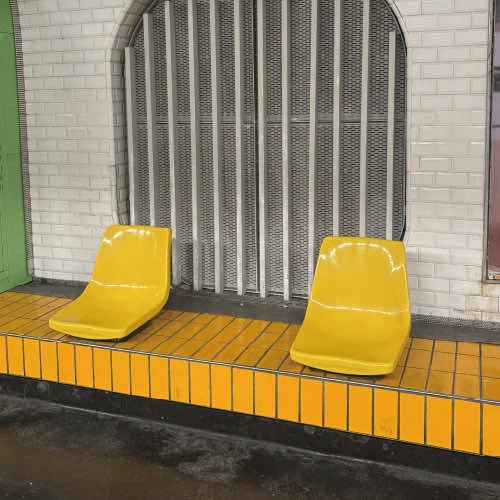
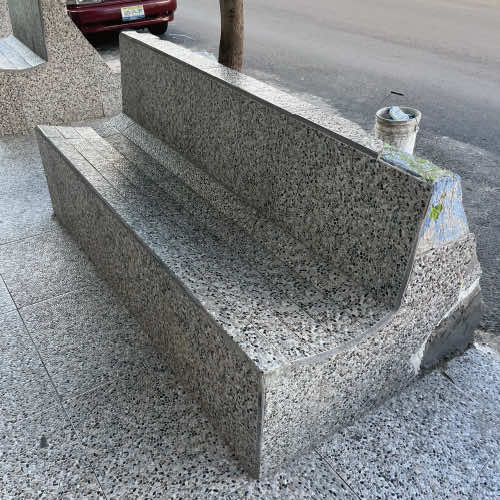
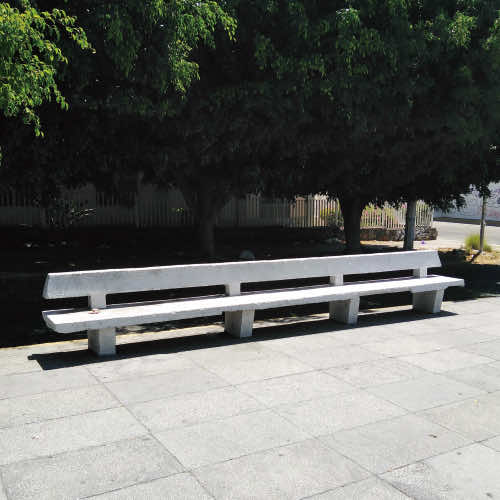
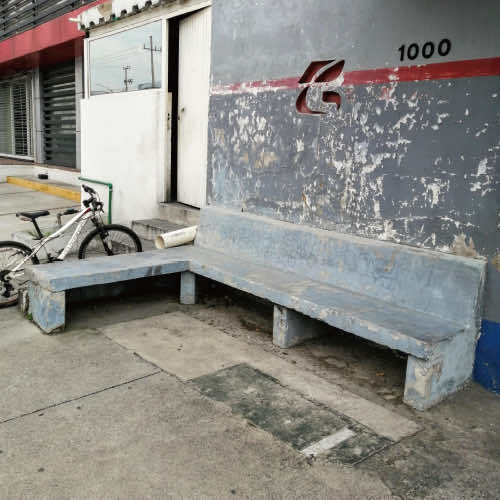
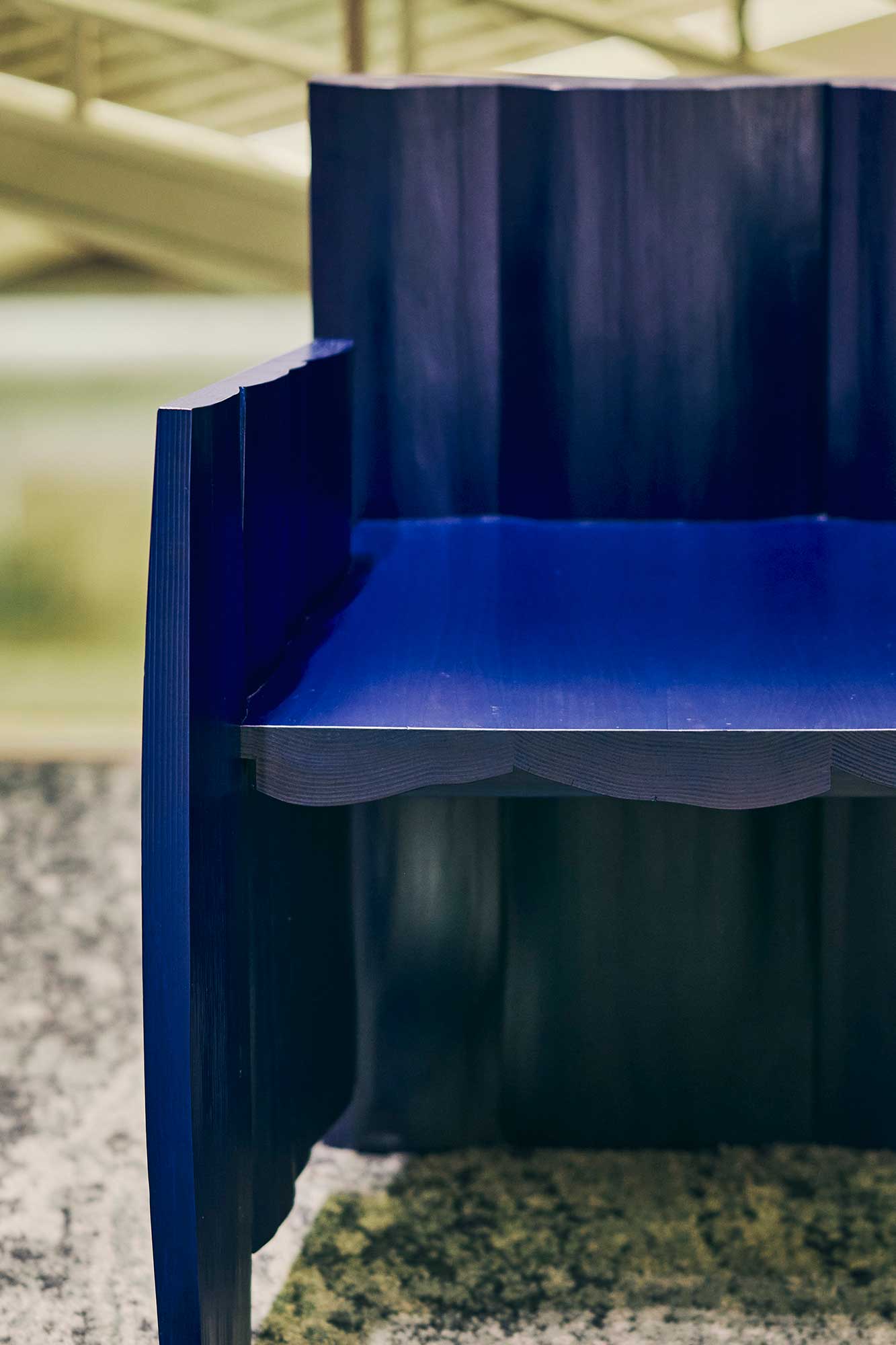
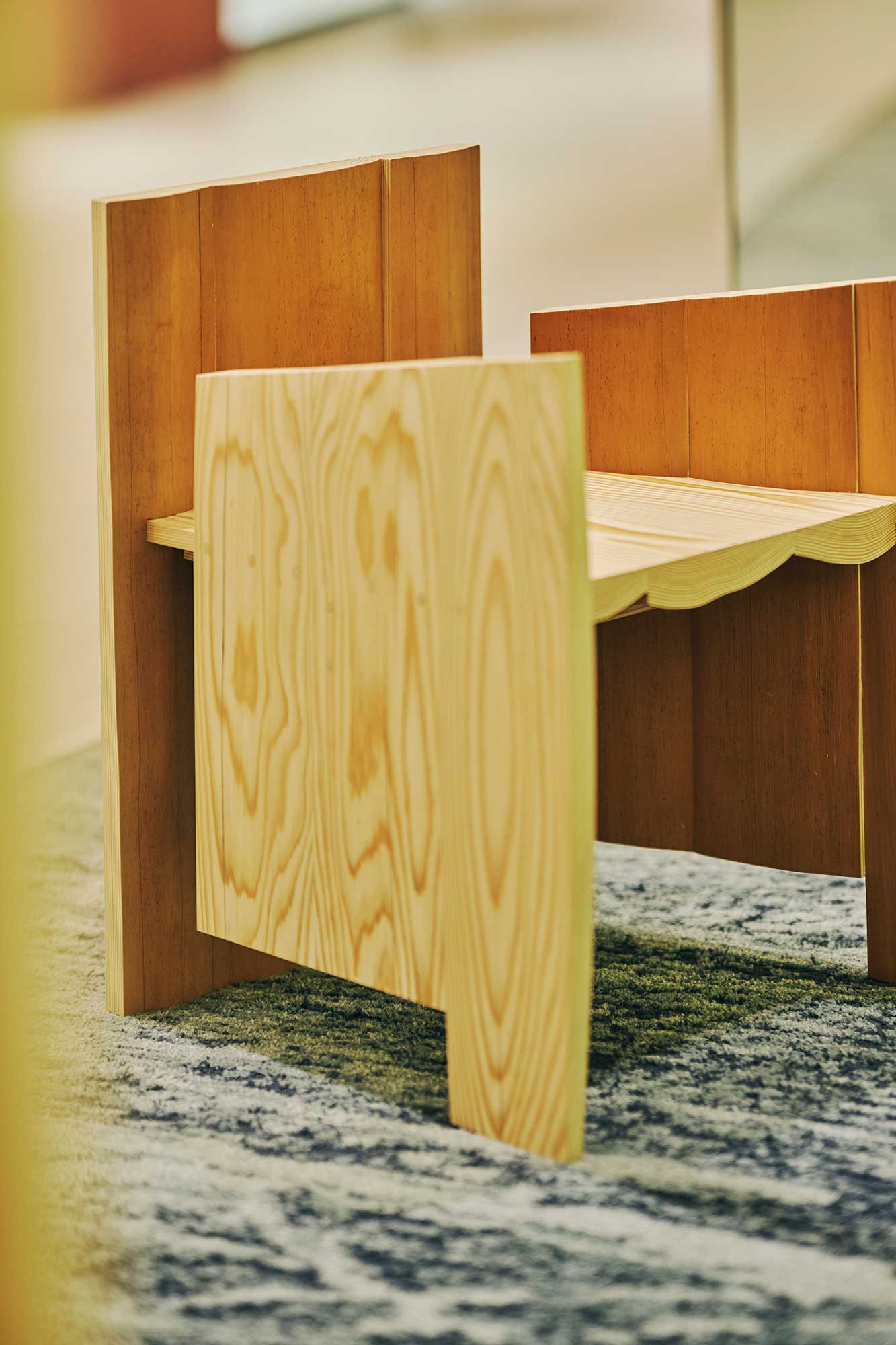
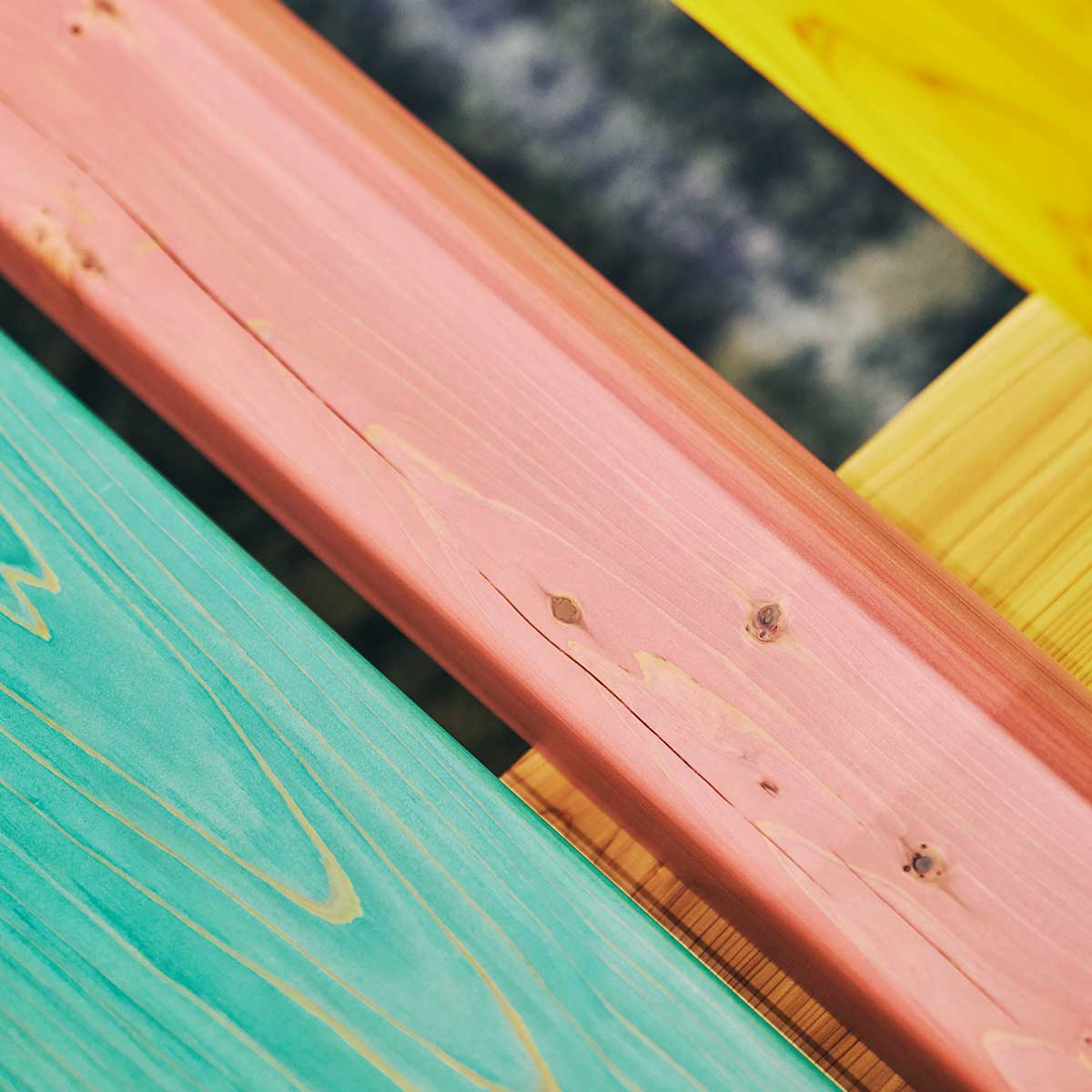
Drawing from common public bench typologies found in airports, bus stations, and waiting areas, this bench encourages communal seating. While its design has a technical foundation, the introduction of colored wood brings a contemporary and inviting aesthetic.
The structure and construction emphasize the quality of the wood and manufacturing. Each component is essential not only for the object’s construction but also for ensuring its comfort and inviting nature.
05
Designer - Max Lamb
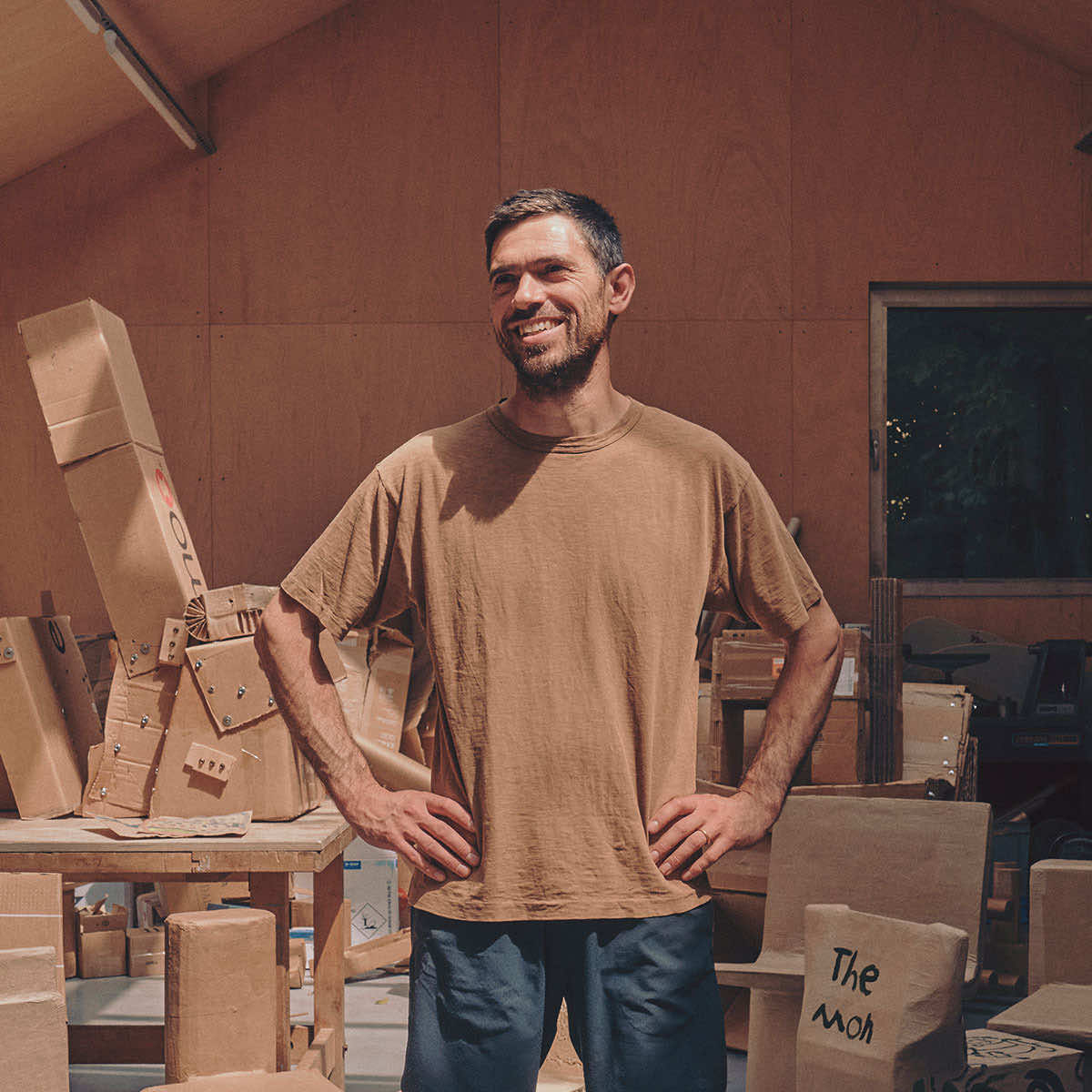
Max Lamb, born in 1980 in Cornwall, United Kingdom, is a highly acclaimed and innovative designer celebrated for his distinctive contributions to the realms of furniture and product design. Lamb's artistic journey is characterised by a remarkable fusion of traditional craftsmanship with avant-garde design principles.
Lamb's early life in the picturesque landscapes of Cornwall laid the foundation for his deep appreciation of nature, a theme that often permeates his work. After completing his studies at the Royal College of Art in London, Lamb quickly garnered attention for his unconventional and experimental design approach. He emerged as a key figure in the contemporary design scene, challenging norms and pushing the boundaries of materials and processes.
One of Lamb's defining characteristics is his relentless exploration of materials. From stone and metal to foam and cardboard, he fearlessly delves into diverse mediums, extracting unexpected beauty from their inherent properties. This commitment to experimentation not only showcases his technical prowess but also underscores his dedication to redefining the possibilities within design.
Lamb's designs, whether furniture pieces or smaller-scale products, exhibit a unique aesthetic marked by a raw and tactile quality. Each creation tells a story of its own, with an underlying narrative that connects the user to the object on a visceral level. His pieces often embody a harmonious blend of functionality and artistic expression, challenging the conventional boundaries of design disciplines.
Collection -
Cedar is a
Soft Wood
Designed by Max Lamb
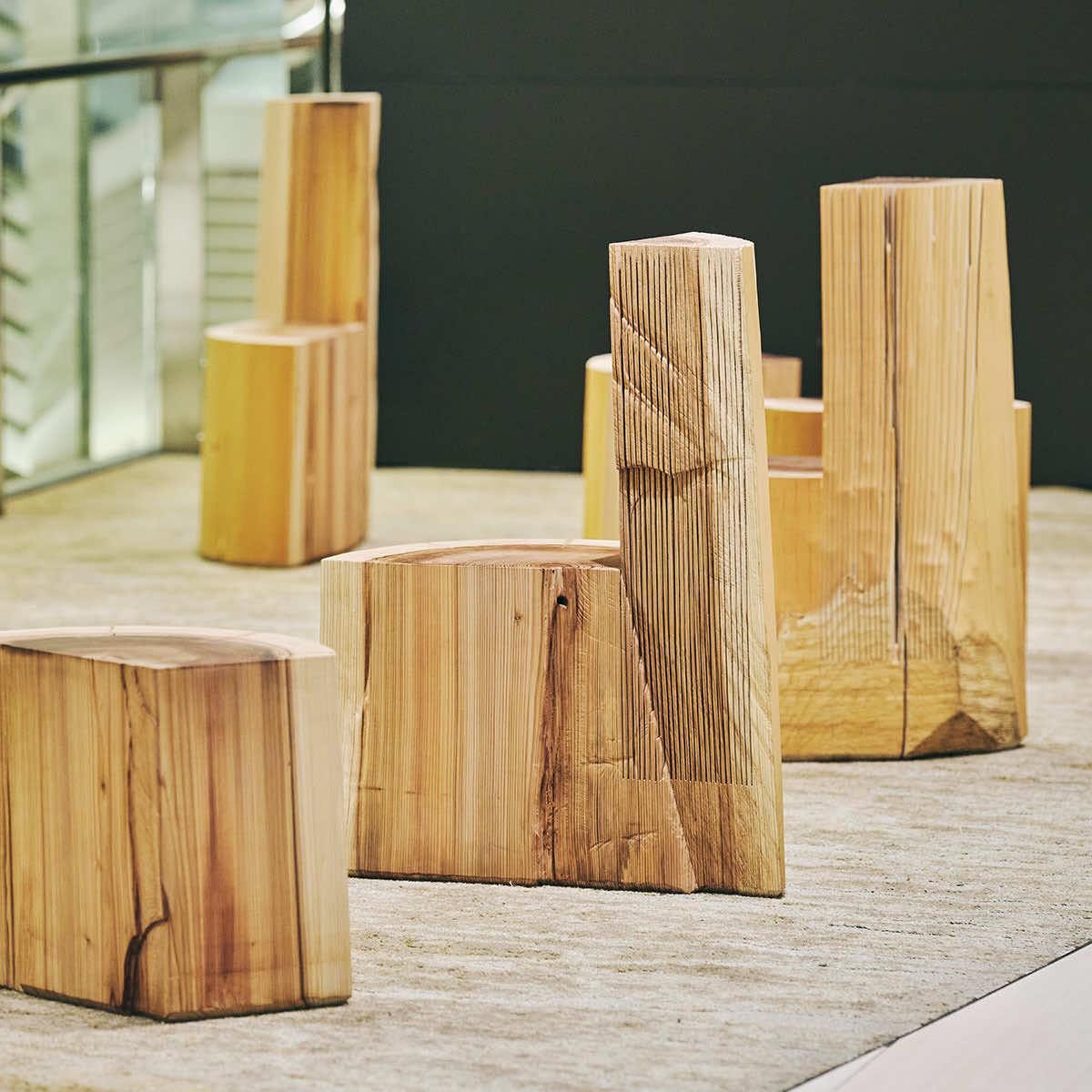
It begins and ends with a tree. In the middle there is Ohtani San and his bandsaw. Nothing else. What can Ohtani San do with his bandsaw?
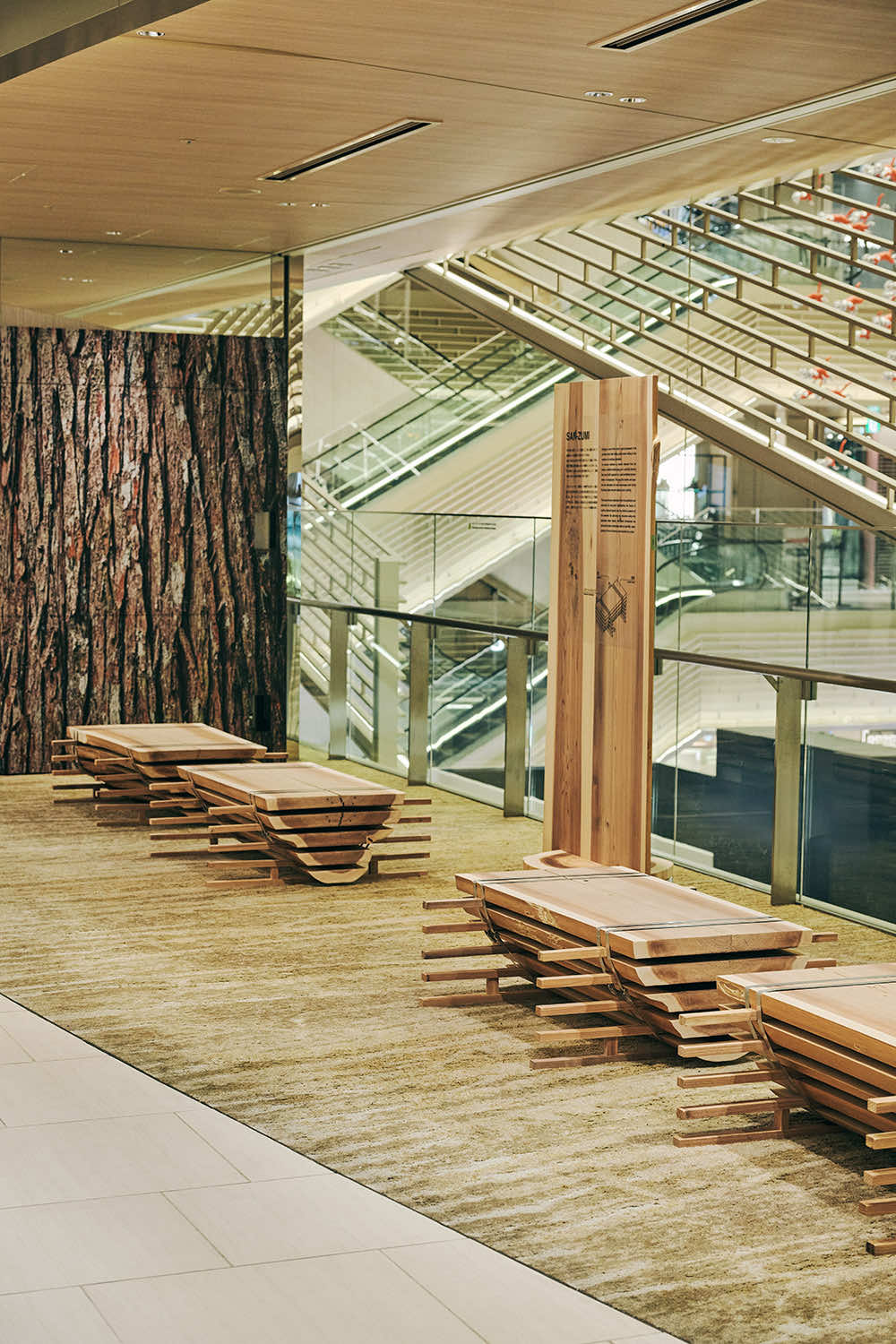
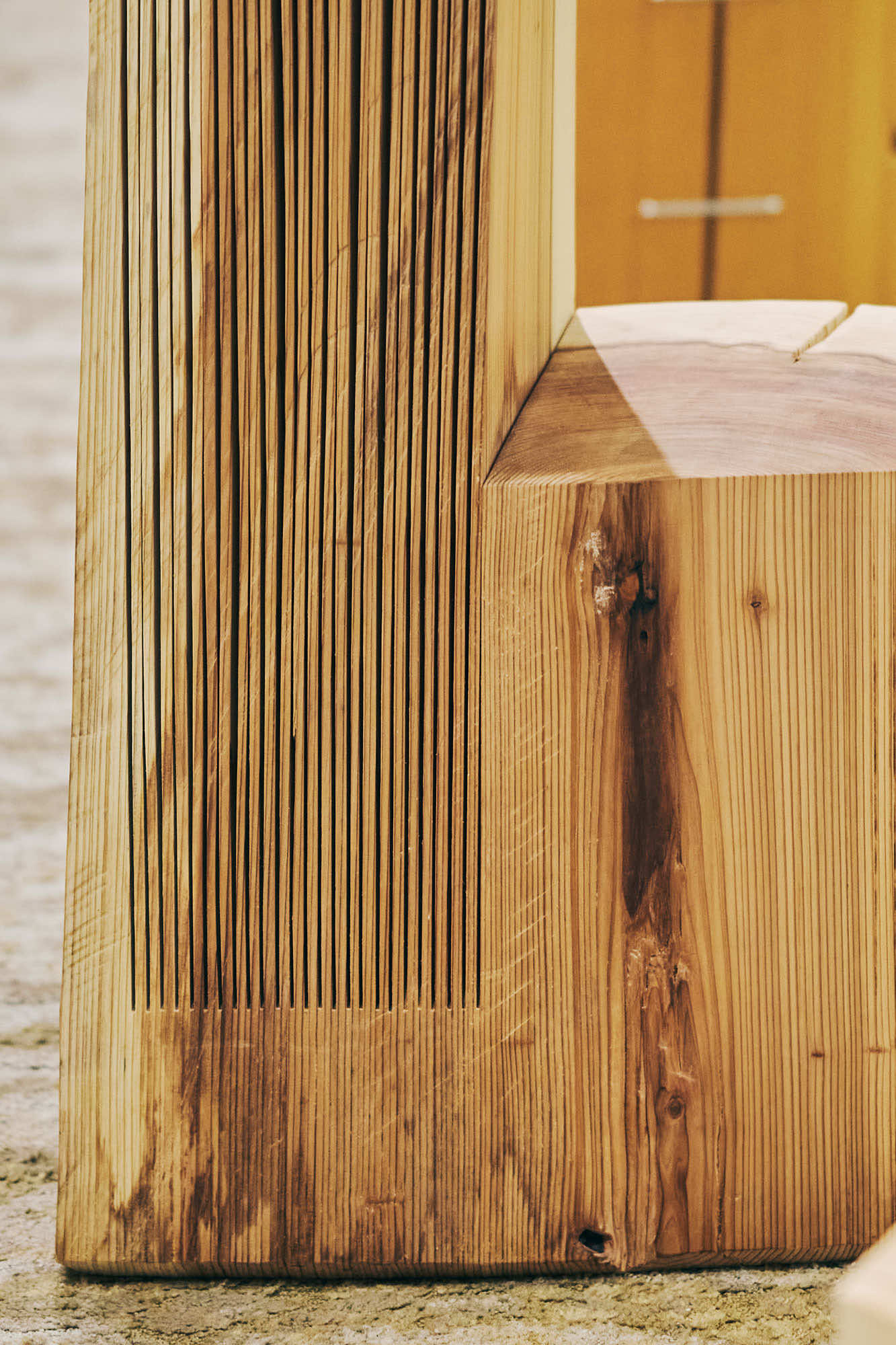
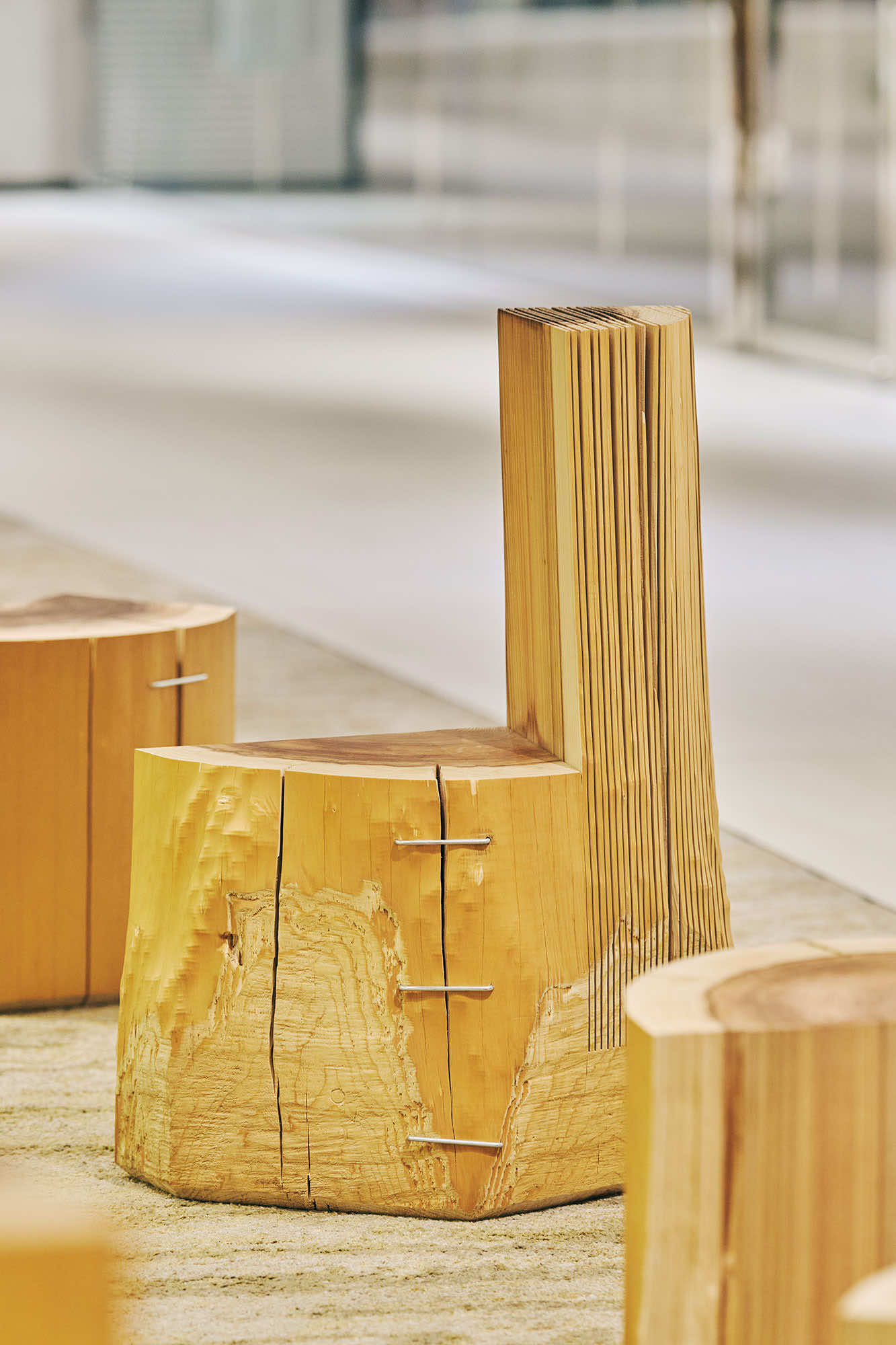
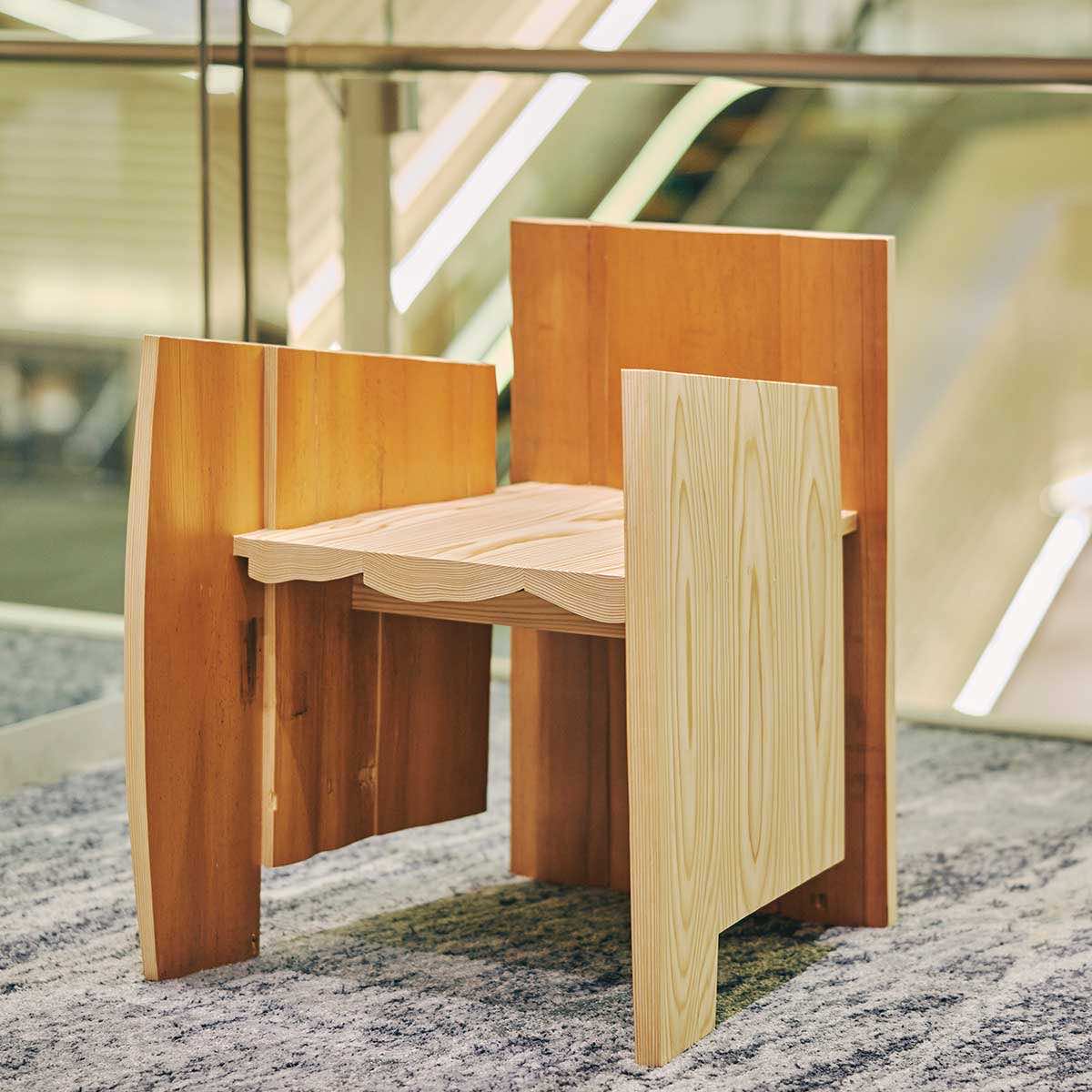
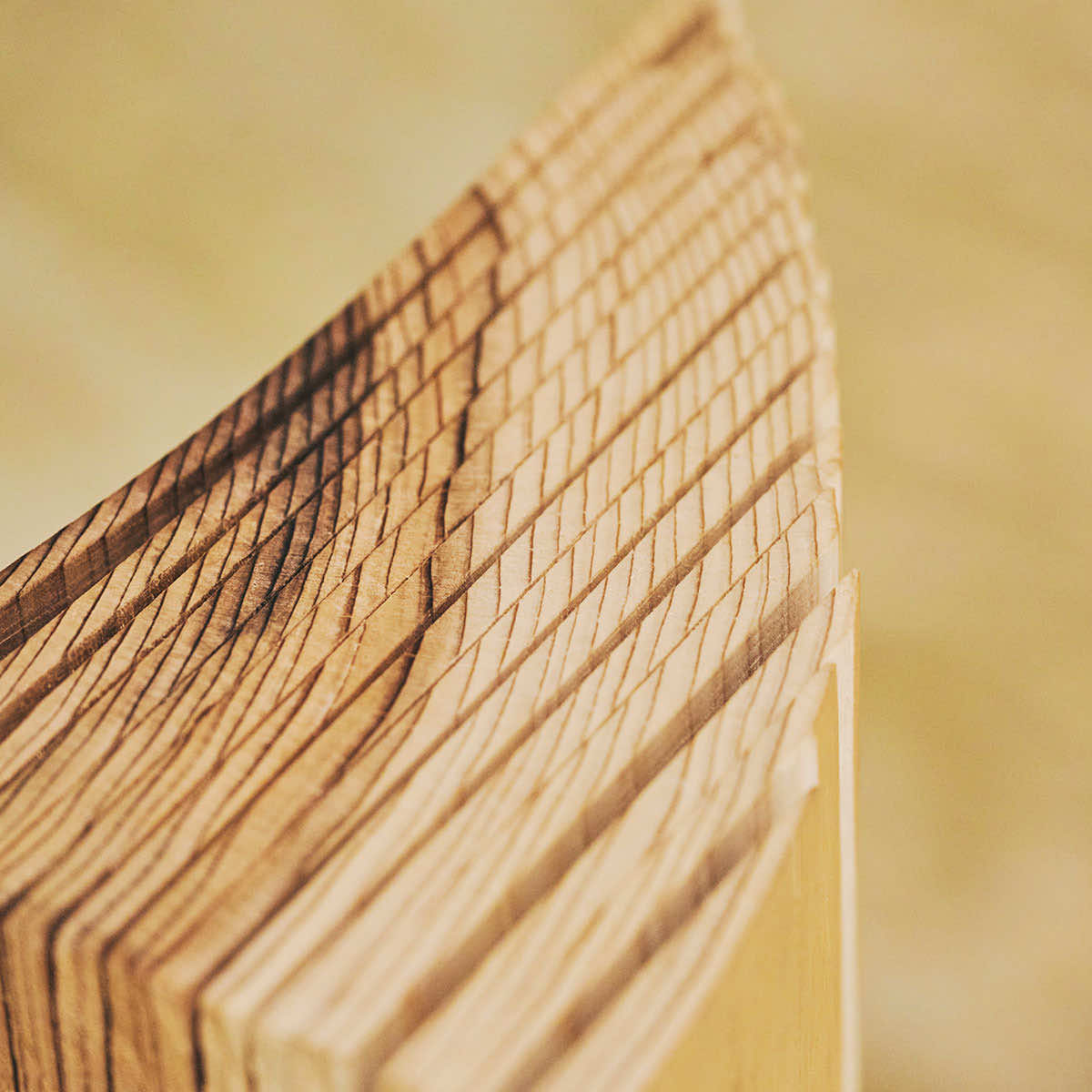
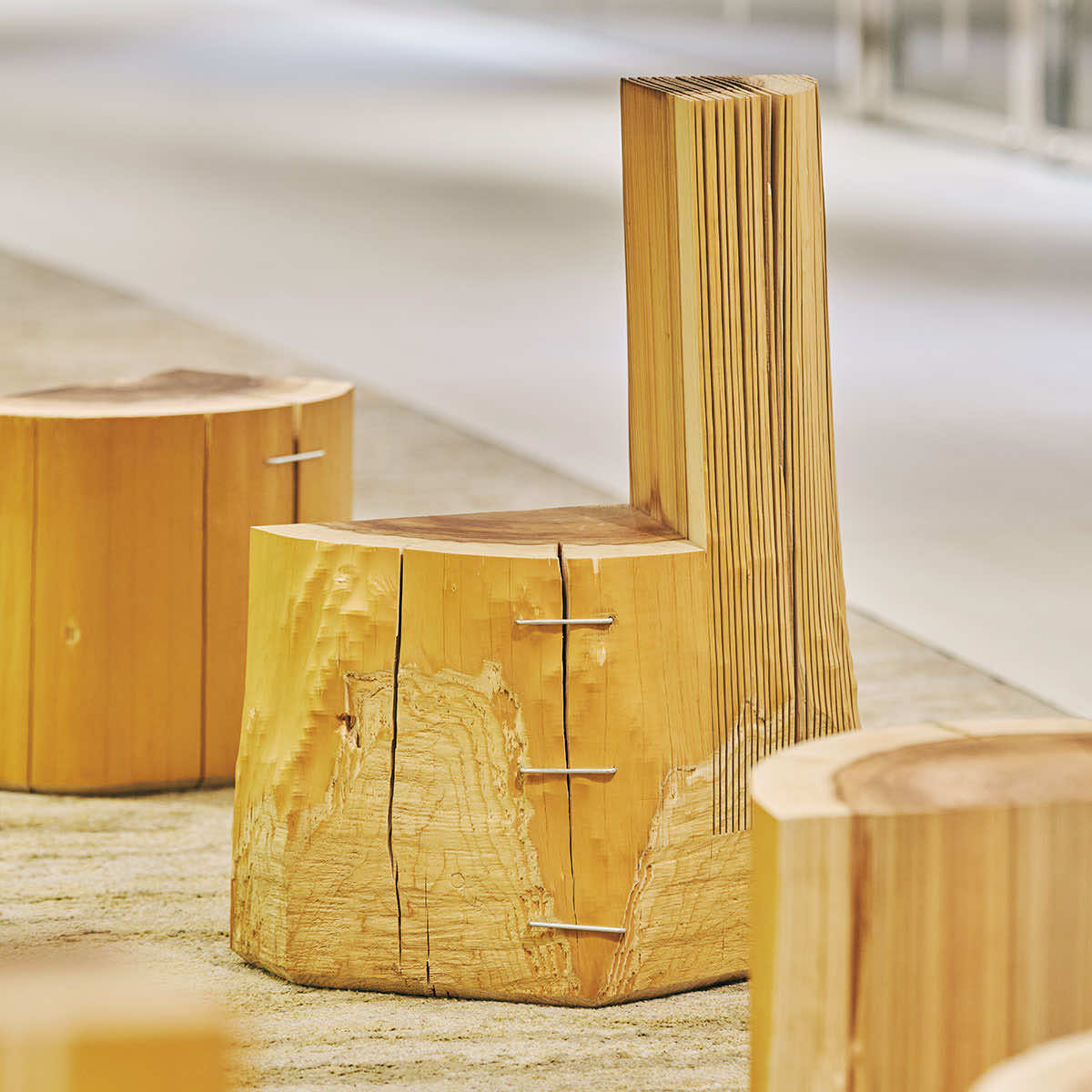
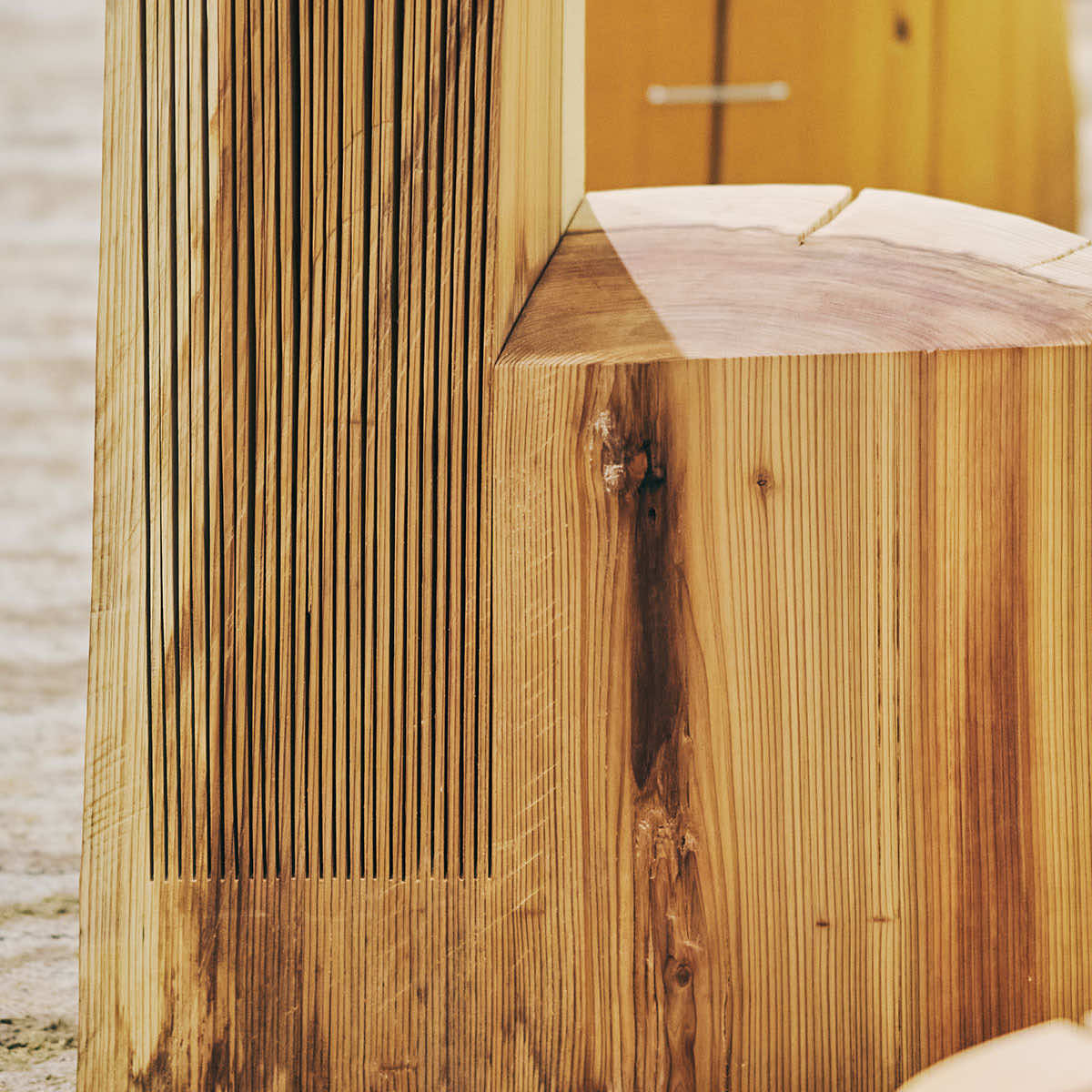
Cedar is a Soft Wood is a project made entirely by Ohtani San and his bandsaw. One man and one machine. A cedar tree is cut into shorter logs. The logs are placed one at a time onto a carriage and pushed along rails into the path of the bandsaw. The teeth of the bandsaw blade cut into the end of the log and make a slice along the direction of the grain. The 2mm slit made by the saw blade is called the kerf. Ohtani San stops cutting before the blade reaches the end of the log. He retracts the blade, moves the log over by 7mm and makes a second parallel cut, and another, and another. This is the minimum safe distance between one cut and the next. The thickness of each plank is 5mm. A 5mm thick plank of Yoshino cedar is flexible whereas a log without cuts is solid. Cedar becomes soft.

With a little pressure the thin cedar plank bends into the kerf until it touches the next plank. Together they bend until they touch the third plank, and so on. Gradually the planks combine and become one log again, with a little bend. An archetypal cedar log chair with a soft backrest, and a small simple stool made from the off-cut.
Cedar is a soft wood.
06
Designer - Faye Toogood
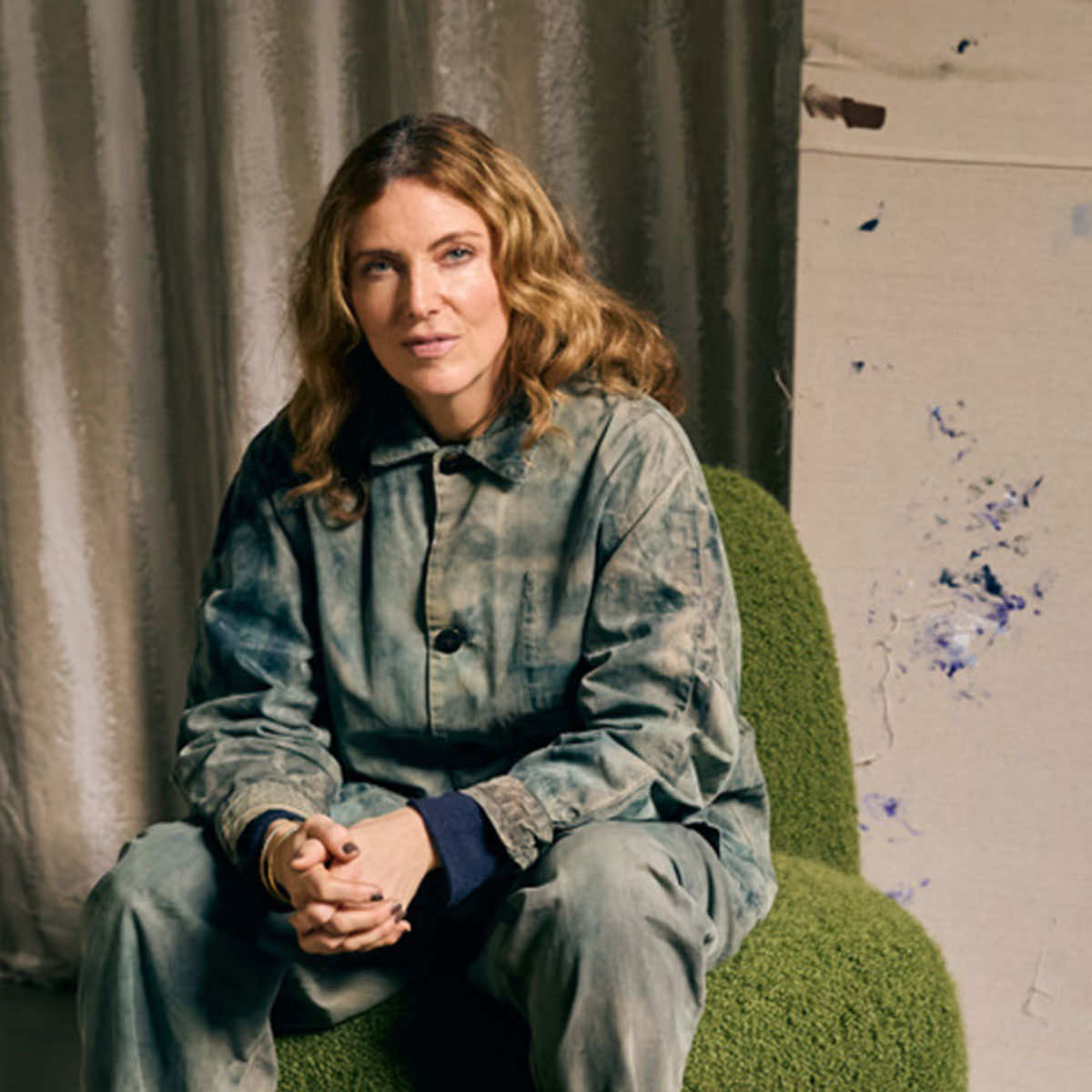
Faye Toogood is a British Designer whose practice encompasses interior design, homewares, fine art and fashion, and refuses to be constrained by a single discipline or defined way of working.
Faye studied Art History at Bristol University and was Interiors Editor at The World of Interiors for eight years before founding Toogood, her London-based design studio in 2008. She has since become one of the most recognisable figures in the design and art industry, whose work has been exhibited and collected by Museums around the world including The Victoria and Albert London, NGV Melbourne, Philadelphia Museum of Art, Corning Museum of Glass and the Faberge Museum in St. Petersburg.
Faye was raised in the British countryside. A magpie’s instinct and obsession with landscape continue to permeate everything she designs, whether it be a bronze door handle cast from an abandoned skull, a fashion collection inspired by hay bales, or a house interior with the brooding palette of an English sky. Toogood brings a distinctly sculptural approach to the art of furniture design, with pieces such as the ‘Spade’ chair and the ‘Roly-Poly’ chair achieving iconic status through their strong geometry and form. Describing herself as an ‘outsider’ whose work defies categorisation, Faye has created a studio which allows a movement between genres. Architects, sculptors, furniture makers and illustrators cross-pollinate on every project, producing work that is rigorous, poetic and genuinely avant-garde.
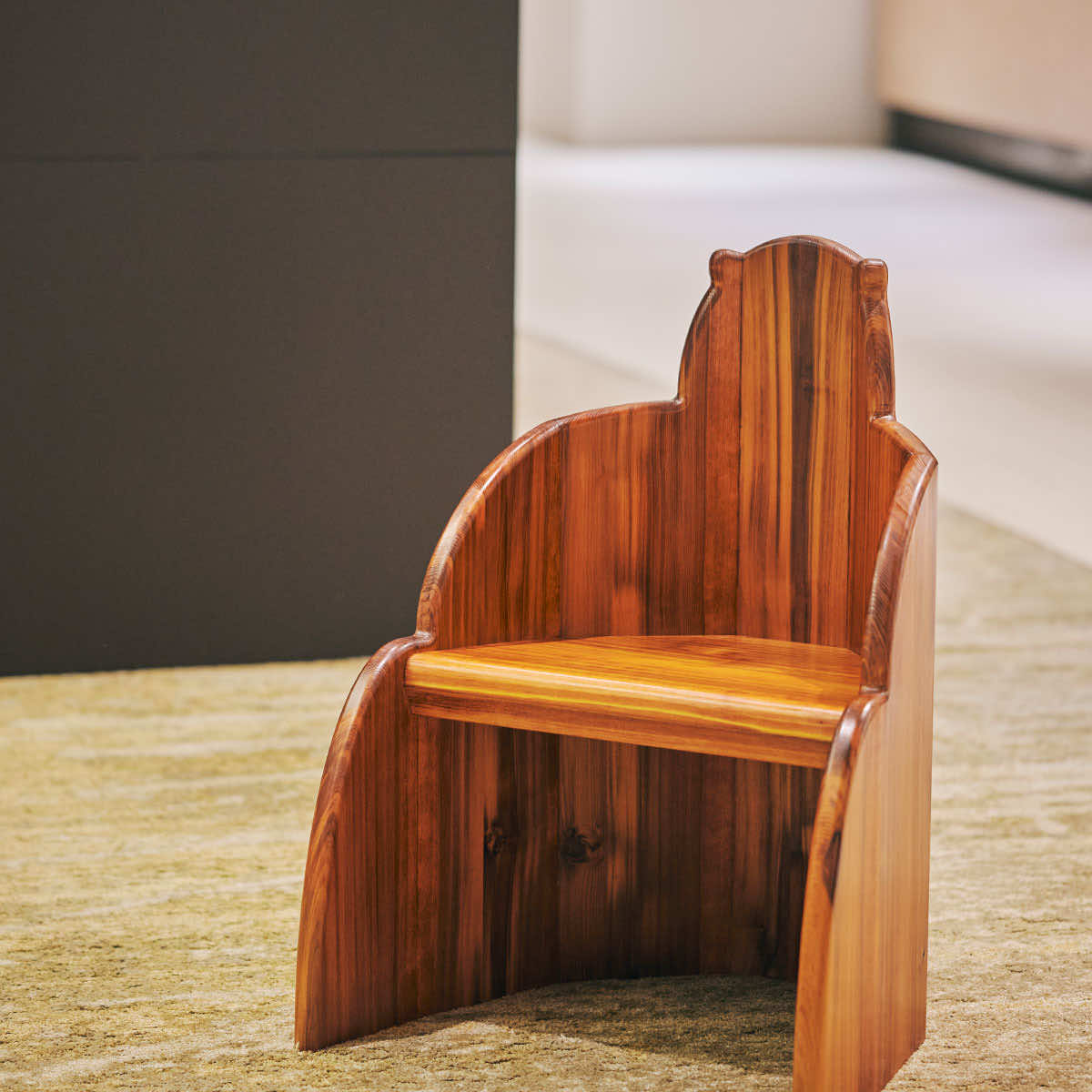
Collection -
FIVE SPIRITS,
ONE SUGI
Designed by Faye Toogood
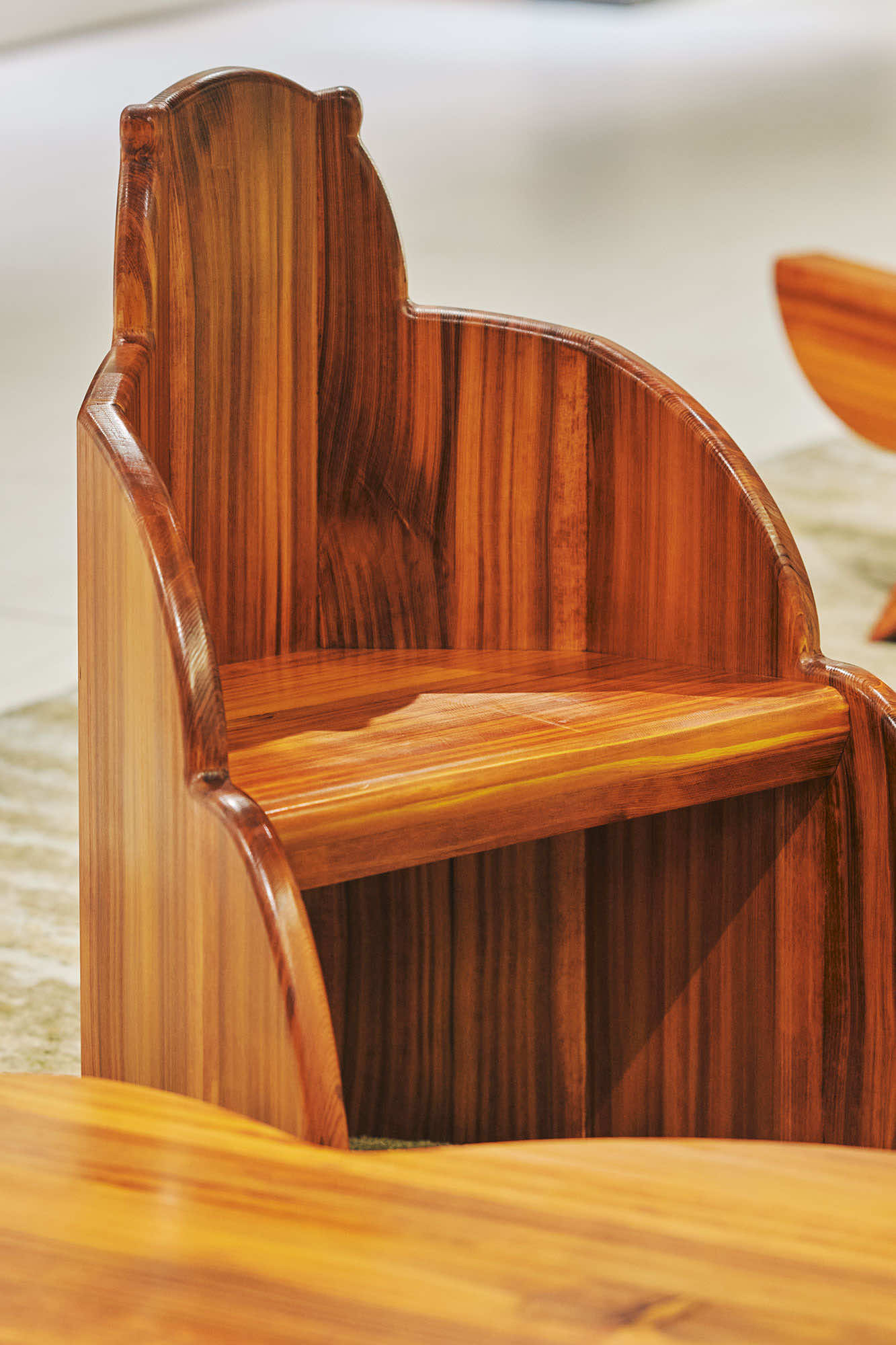
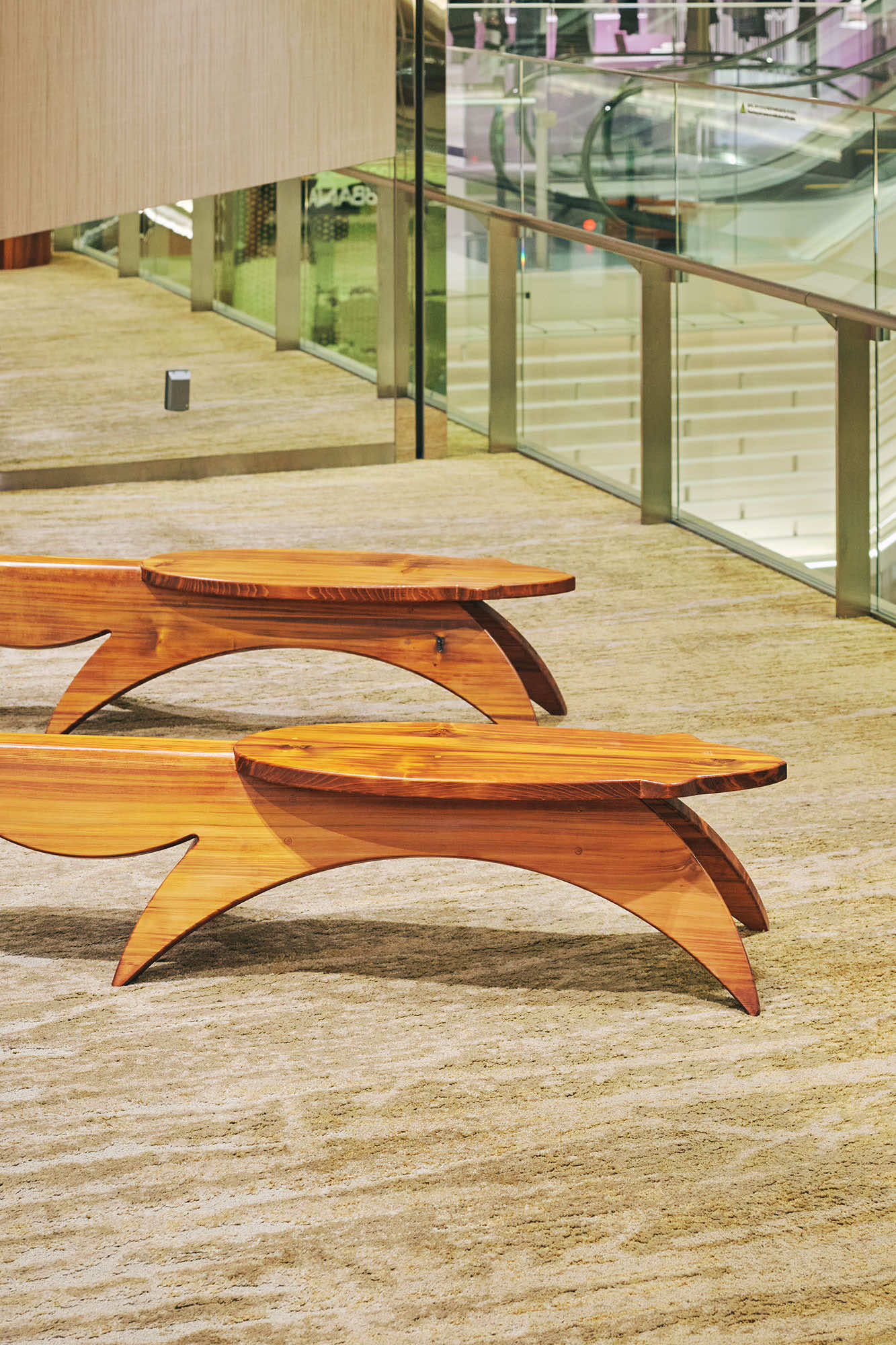
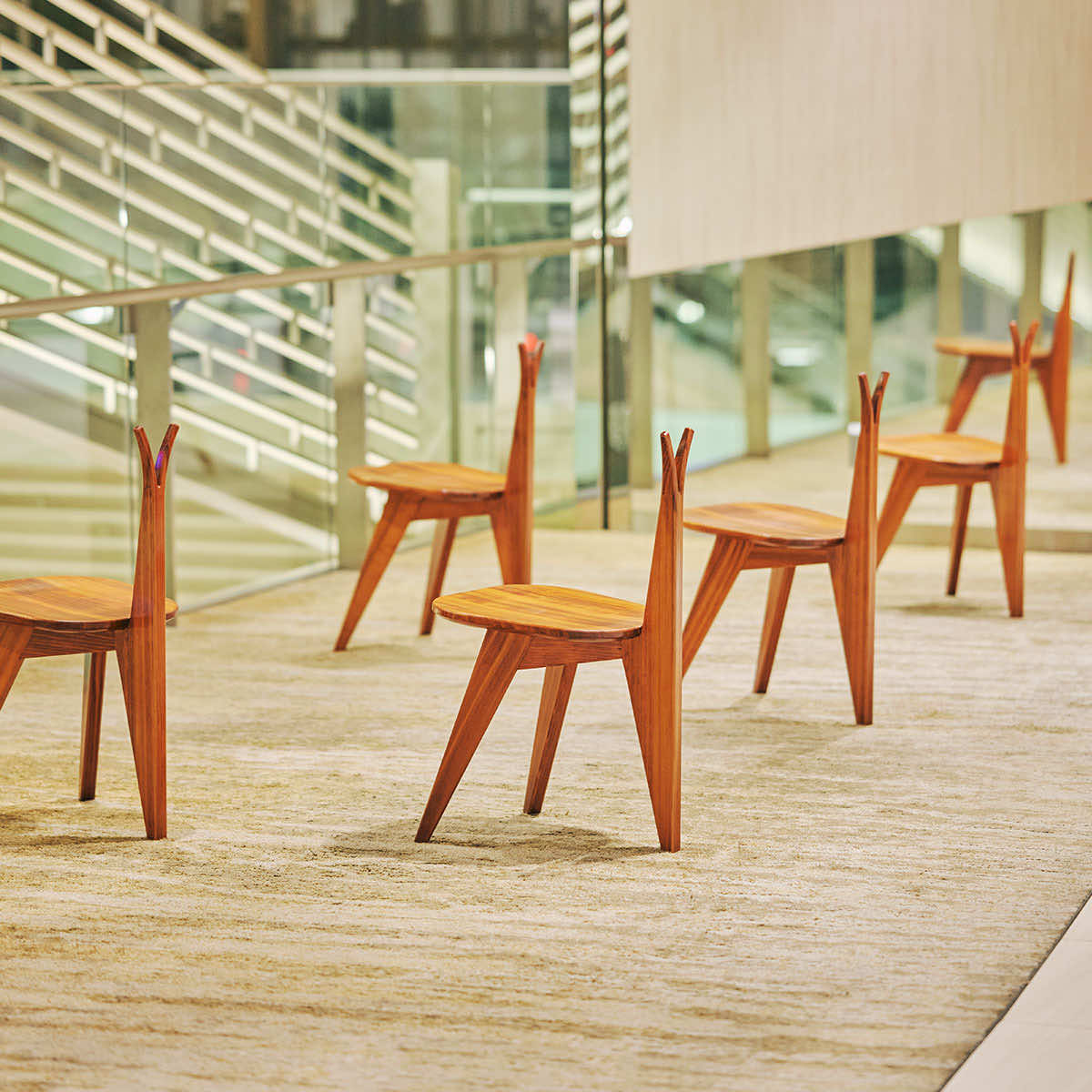
On her visit to Mount Yoshino, Faye Toogood was inspired by the spiritually charged quiet of the forest. Listening to wind rustling the cedar boughs, she began to imagine a story about what one of the monolithic trees might have heard, and learned from its surroundings.
Five Spirits, One Sugi is a story Faye wrote in the guise of a story she might read to her children.
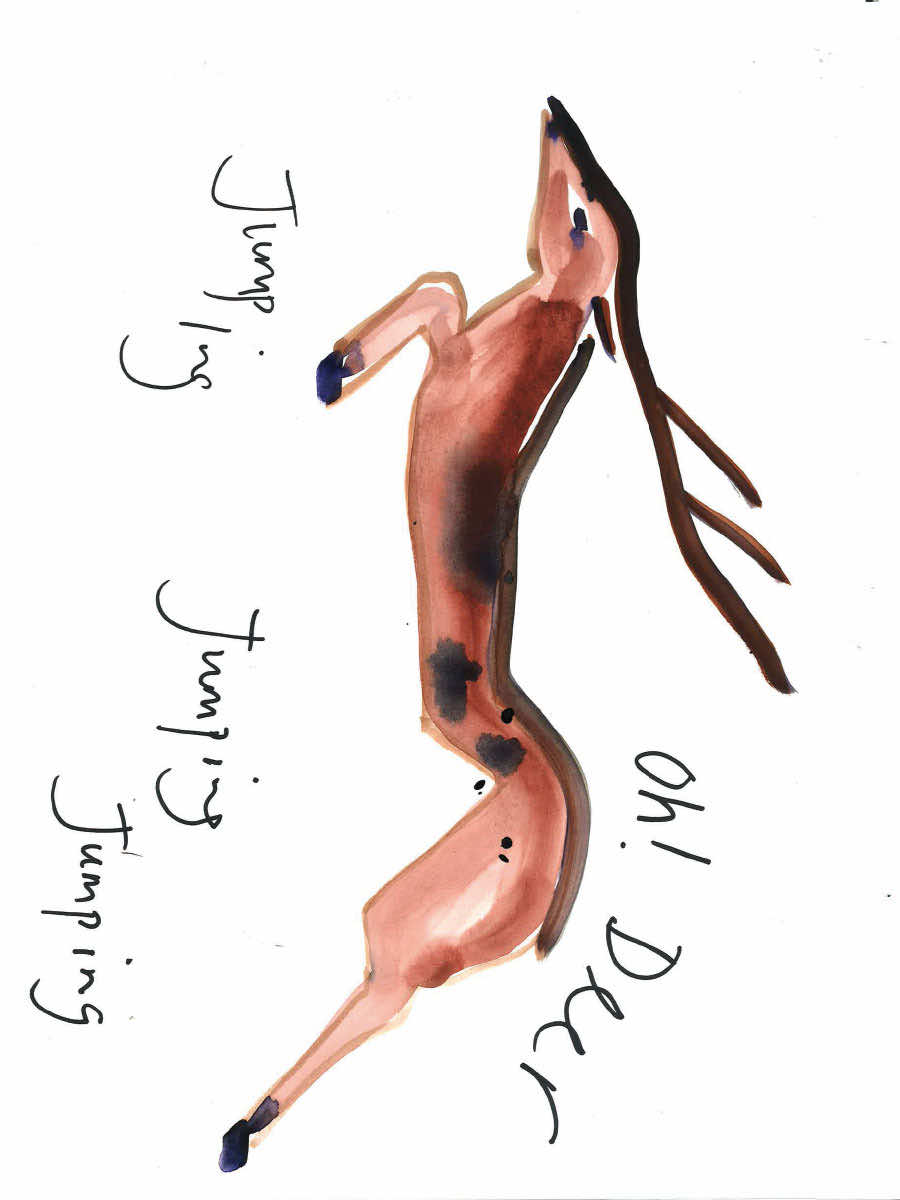
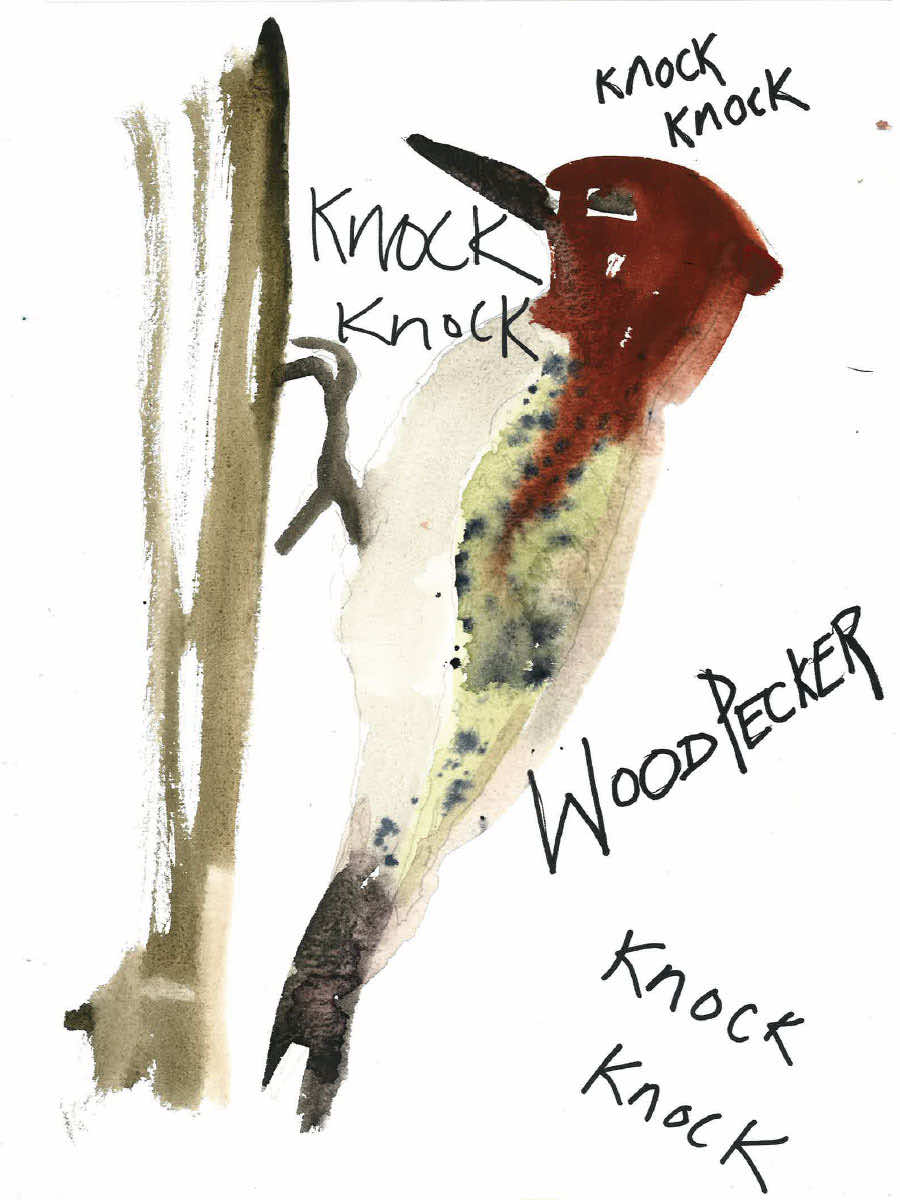
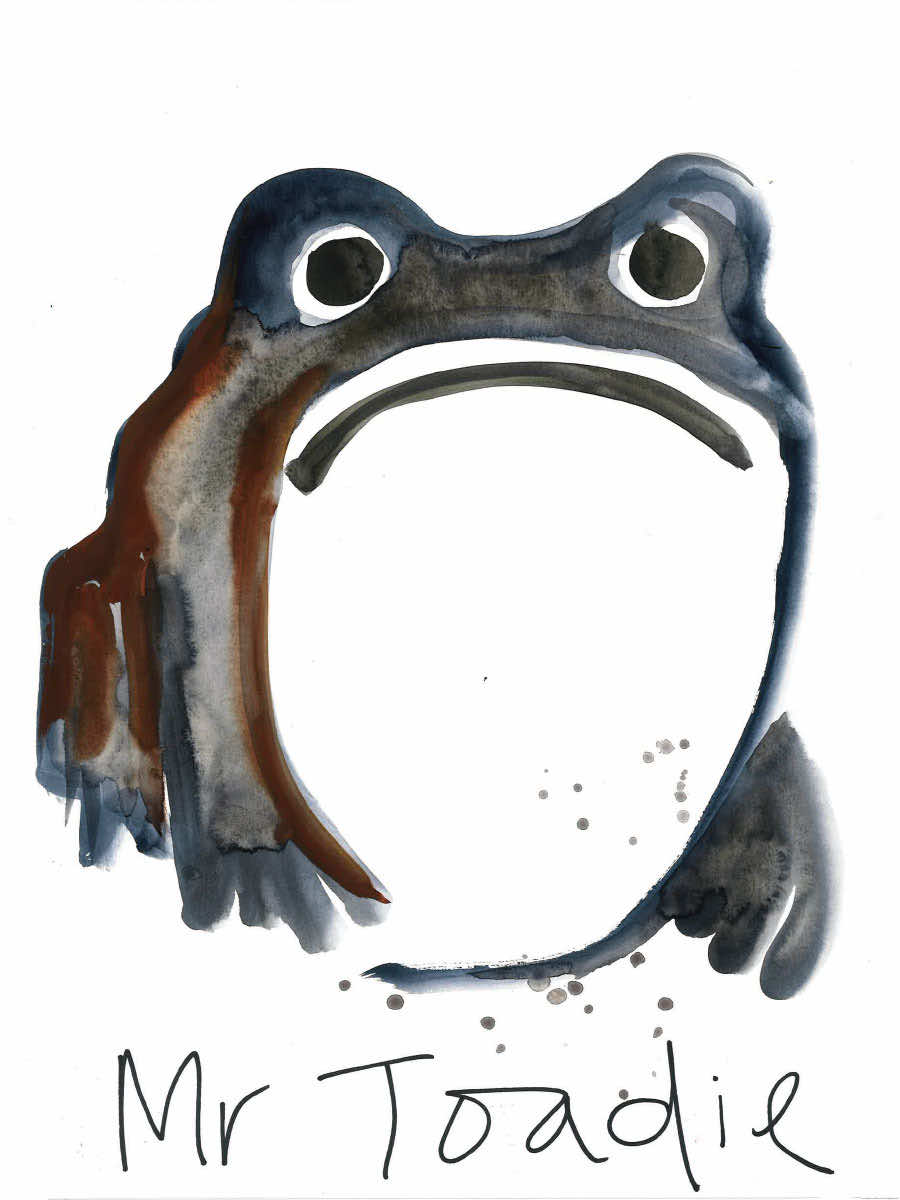
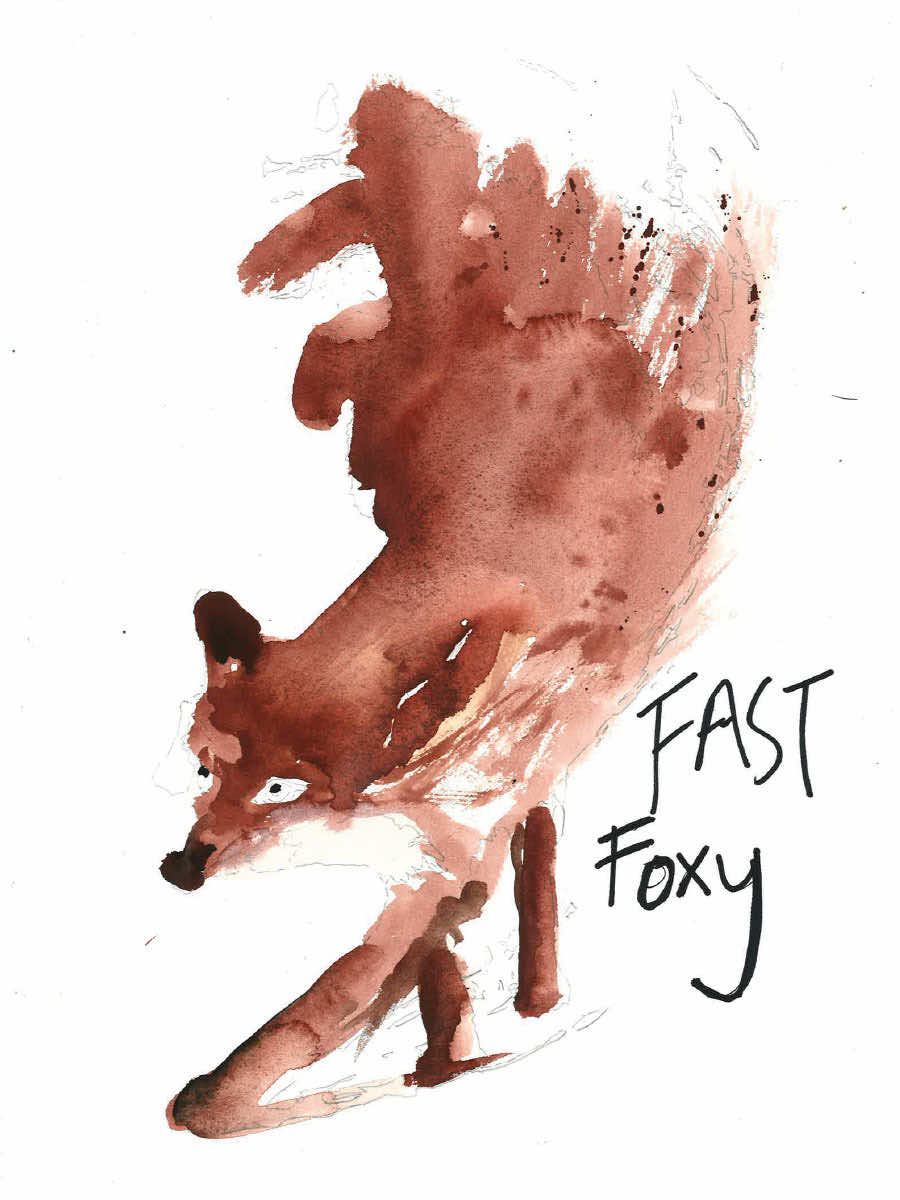
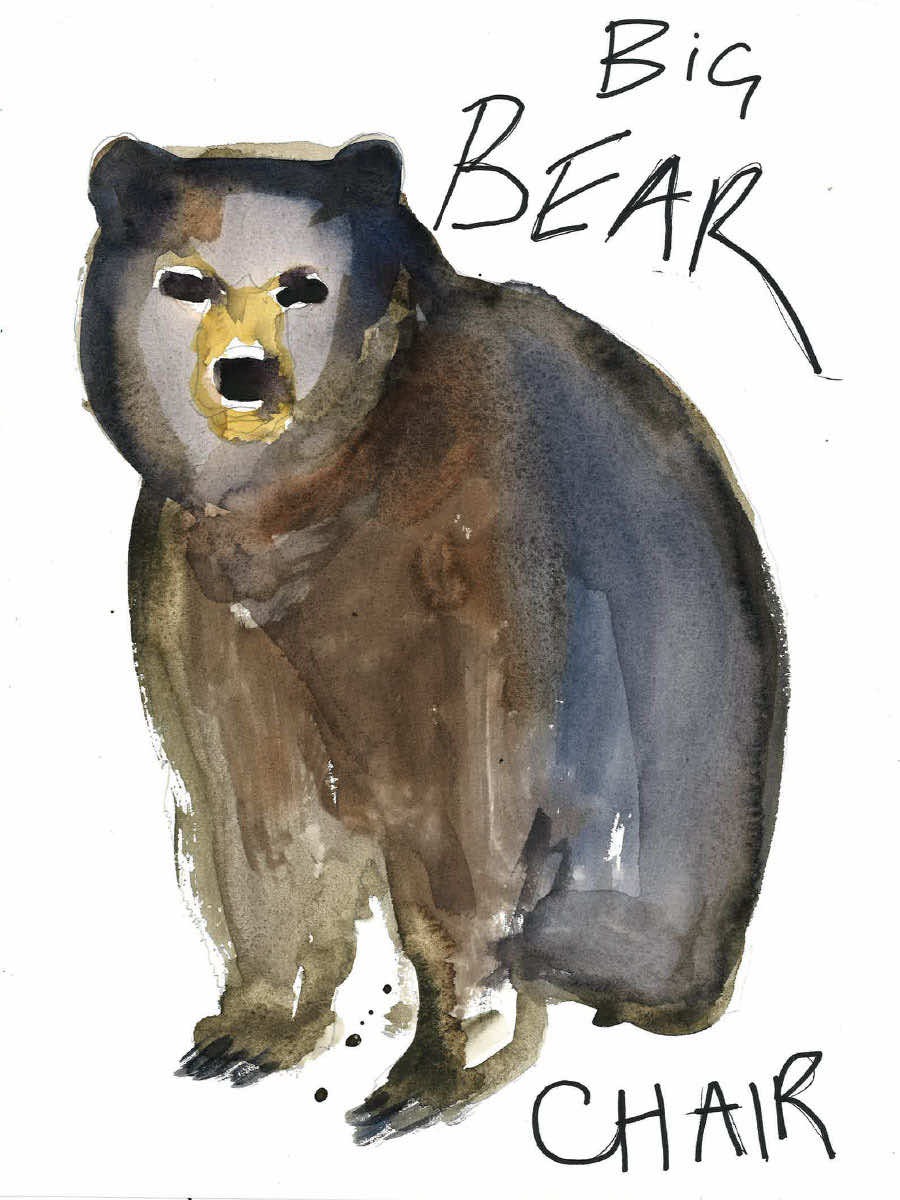
Five animals native to the Yoshino forest visit a tree through its long life, sharing their knowledge. When the time came, the Sugi gave its body willingly, knowing it would live again in shapes that keep the forest close. The Deer’s bowed line. The Woodpecker’s rhythmic marks. The Toad’s grounded curve. The Fox’s sly angle. The Bear’s soft mass.
WHAT THE ANIMALS WHISPERED TO THE TREE
the Sugi stood a century
then half a century more
in silence
and then. A hoof! trembling
across patient forest floor
the Deer arrived with almost
no trace. A soft question mark
near silent curve
she said: “to lean is not to fall
it is the light we serve.”
the Woodpecker was heard
before spotted. in the clattering
rhythm of his tap tap dance
beak on bark. He paused:
“persistence is a way to see
through places often dark.”
the Toad inhaled, exhaled and
hopped - from moss and shade
his back - a weathered stone
“endurance is a dwelling-place
and patience - builds a home.”
the quick Fox slipped in
obliquely as mischief
tends to do. And through a grin
“not all paths – wait in lines
some must be made - by you.”
the Bear arrived weighty
and warm as evening does
and in a voice low and as deep
as the forest: “strength is the tenderest
of forms - when softness - guides its skin.”
the Tree received their lessons
through root and leaf
and recorded their wisdom
in rings and grain
it’s boughs echoing their whispers
with every wind
and so. when its body journeyed on
to be reshaped - a seat - a form
the forest breathed - beneath the wood
and whispered
“live
once more.”
[CREDIT]
- Photos:
- MEGUMI
- Web design:
- Tomohiro Tadaki [Thaichi]
- Edit & Produce:
- Hitoshi Matsuo [EDIT LIFE], Rina Kawabe [EDIT LIFE]